


Nasal Congestion
Care Options for Nasal Congestion
Blocked noses can show up with colds, allergies, and dry air. This Nasal Congestion collection supports practical browsing for patients and caregivers. It brings together common options and education in one place. It also helps separate simple congestion from problems that need evaluation.
Medispress offers video visits with licensed U.S. clinicians when needed. Browse this category page to learn key terms and compare next steps. Use it to prepare for care, not to self-diagnose.
Nasal Congestion What You’ll Find
This browse page focuses on stuffy nose relief and related symptom patterns. It highlights common triggers like viral colds, allergic rhinitis, and irritant exposure. It also covers sinus pressure and congestion that can affect sleep and focus. Some people also notice postnasal drip and throat irritation.
For a wider view of similar symptoms, browse Congestion and Sinus Congestion. When chest symptoms dominate, Chest Congestion can help narrow the topic. For nasal discomfort without much mucus, Nasal Dryness may fit better.
- Common nasal congestion causes, including allergies and infections
- Typical nasal congestion symptoms, including nighttime nasal congestion
- Overview of nasal congestion remedies, from non-drug to medication categories
- Notes on sinus headache patterns and congestion headache relief questions
- Related conditions that can overlap, including Nasal Crusts
How to Choose
For Nasal Congestion, start by sorting options by likely trigger. Allergy-driven blockage often differs from cold and flu congestion. Chronic nasal congestion can also follow irritant exposure or structural issues. That includes deviated septum congestion and nasal polyps and congestion.
Match the likely trigger
- Seasonal or indoor allergy pattern, including sneezing and itchy eyes
- Cold onset with sore throat, cough, or fever symptoms
- One-sided blockage that persists or keeps returning
- Sinus pressure and congestion with facial fullness
- Postnasal drip and congestion that worsens when lying down
Compare format and practical use
- Non-drug options like saline nasal spray or humidification
- Nasal irrigation tools, including neti pot rinse style systems
- Oral versus nasal products, based on comfort and preferences
- Ingredient cautions, especially stimulant-like decongestants
- Age group needs, including infant nasal congestion and toddler nasal congestion
- Special situations, including pregnancy nasal congestion planning questions
For allergy-focused education, see Seasonal Allergic Rhinitis Relief. That guide can help frame questions for a clinician. It also explains common allergy terms in plain language.
Safety and Use Notes
Nasal Congestion can also signal problems that need medical attention. Persistent symptoms may reflect sinus infection, asthma triggers, or nasal polyps. Severe facial pain or swelling needs prompt evaluation. Thick drainage can have many causes, including irritation and infection.
Why it matters: Overusing some nasal sprays can worsen blockage over time.
- Check labels for maximum duration and age restrictions
- Avoid stacking similar ingredients across multiple cold products
- Use caution with decongestants in heart disease or high blood pressure
- Ask about safe decongestant use guidelines with other medications
- Seek evaluation for breathing trouble, confusion, or severe neck stiffness
- Consider ENT evaluation for nasal congestion when blockage is long lasting
Visits take place in a secure, HIPAA-compliant mobile app. That helps keep health details private during a virtual appointment. For general background on congestion, see MedlinePlus information on nasal stuffiness.
Questions about how to relieve nasal congestion often come up with colds. Many symptoms improve on their own, but warning signs matter. For a baseline overview of colds, see CDC common cold guidance.
Access and Prescription Requirements
For persistent Nasal Congestion, some people need evaluation before medication changes. Some options are over-the-counter, while others require a prescription. When prescriptions apply, pharmacies typically verify the order and patient details. State rules can affect which medications can be dispensed.
This category page may include options that people access through cash-pay, sometimes without insurance. It may also include prescription pathways when clinically appropriate. A clinician can confirm whether symptoms match allergic rhinitis congestion, sinusitis, or another cause.
- Have a short symptom timeline ready for the visit
- Note major triggers like pets, dust, smoke, or travel
- List current medicines, including sprays and combination cold products
- Flag pregnancy or breastfeeding status for safer medication screening
- Document past nasal surgery, polyps, or a known deviated septum
Quick tip: Save medication names in notes for faster check-in.
If appropriate, clinicians can route prescriptions through partner pharmacies, by state rules. Some people use this pathway without insurance when coverage is limited. For visit prep and troubleshooting, review Smooth Virtual Doctor Visit Tips.
Related Resources
Use these links to explore Nasal Congestion from nearby angles. Recurring blockage with reduced smell may relate to Nasal Polyps. Dryness and scabbing can point toward Nasal Dryness or Nasal Crusts. Broader symptom groupings may fit better under Congestion or Sinus Congestion.
This collection also pairs well with guidance on allergy patterns and virtual visit prep. It can support clearer conversations about symptoms and goals. It can also help track what has already been tried.
This content is for informational purposes only and is not a substitute for professional medical advice.

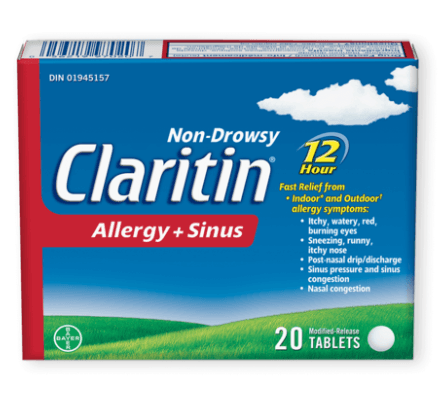
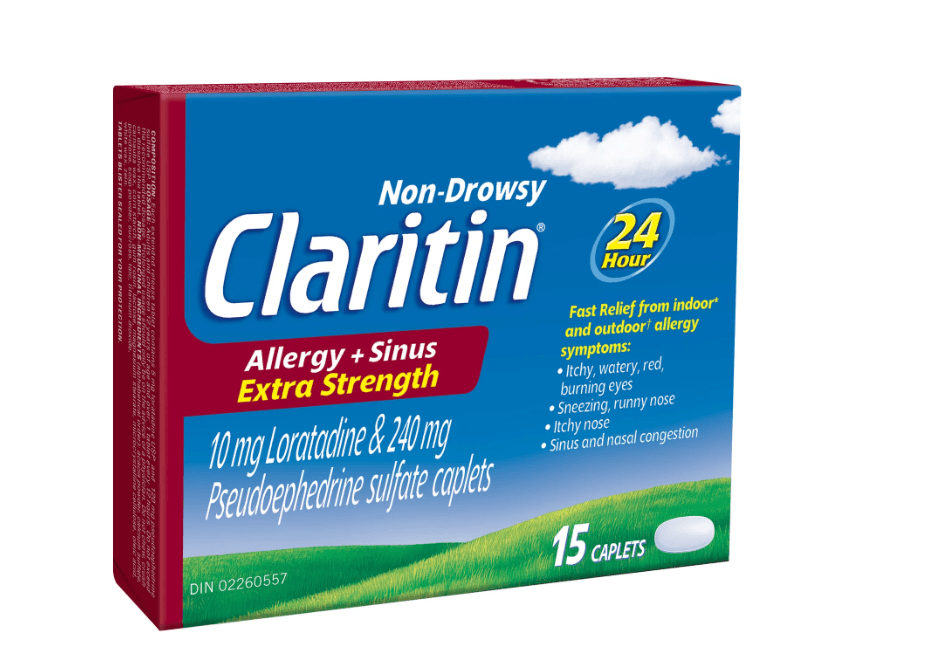
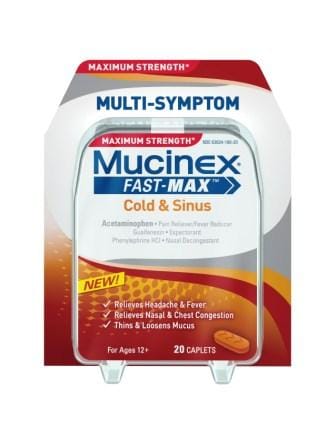
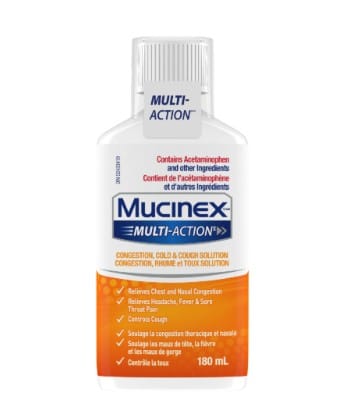
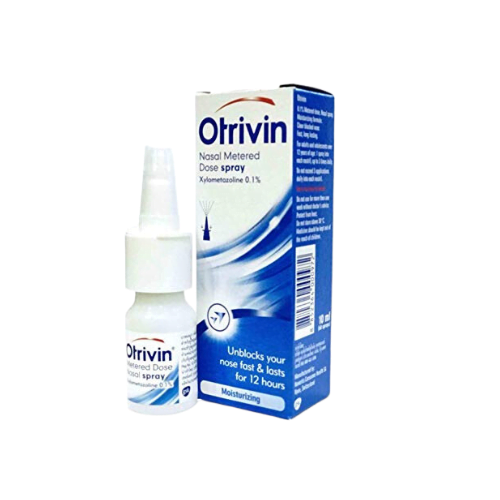
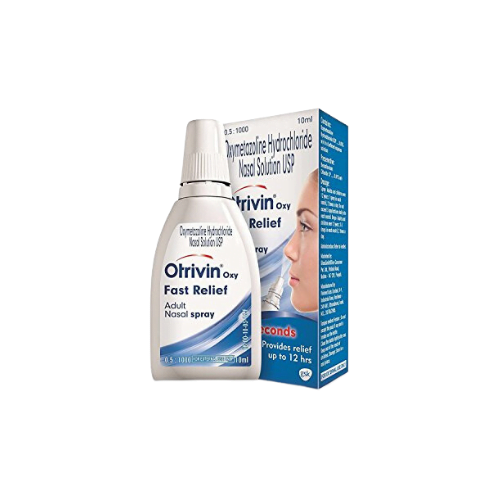
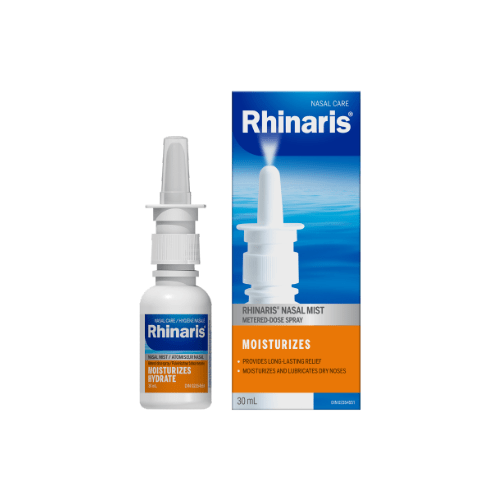
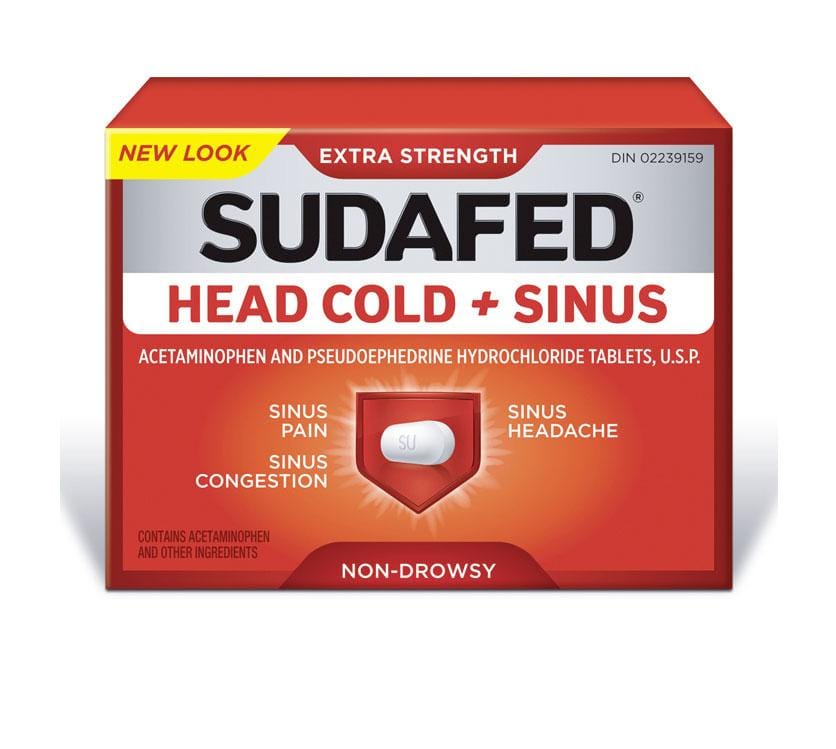
Find suitable medication for Nasal Congestion


Book a telehealth visit to discuss Nasal Congestion
Find a doctor
Speciality
State

Video Visit
$69

Video Visit
$69

Video Visit
$69

Video Visit
$69

Video Visit
$69

Video Visit
$69

Speciality: Dermatology, Family Medicine, Men's Health, Urgent Care, Women's health
Speaks: English, Spanish, French, Arabic, Portuguese
Video Visit
$69

Video Visit
$69

Video Visit
$69

Video Visit
$69

Video Visit
$69

Video Visit
$69
Frequently Asked Questions
What causes a blocked or stuffy nose?
A blocked nose can happen from swelling inside the nasal passages, extra mucus, or both. Common triggers include viral colds, seasonal or indoor allergies, and irritants like smoke or strong odors. Dry air can also thicken mucus and make breathing feel harder. Some people have structural causes, such as a deviated septum or nasal polyps. A clinician can help sort the most likely cause based on timing, triggers, and other symptoms.
What should someone look for on this category page?
This category page helps organize options and related education in one place. It can be useful for comparing product formats, ingredient types, and common safety cautions. It also links to nearby topics like sinus congestion, nasal dryness, and allergy relief guidance. Use the page to gather terms and questions before a visit. It is not meant to replace a diagnosis. When symptoms feel severe or persistent, clinical evaluation matters.
When should someone see a doctor for congestion?
Care is worth considering when congestion lasts more than expected, keeps returning, or causes severe facial pain. Worsening shortness of breath, swelling around the eye, stiff neck, confusion, or severe headache can be urgent warning signs. High fever, dehydration, or symptoms in very young infants may also need prompt evaluation. Chronic one-sided blockage can suggest a structural issue. A clinician can review the full picture and recommend next steps.
Can telehealth help with sinus pressure and congestion?
Telehealth can help when symptoms are mainly history-based and visible signs are limited. A clinician can review symptom timing, allergy triggers, fever patterns, and prior treatments. They can also screen for red flags that suggest in-person care. If a prescription is appropriate, the clinician can discuss options and coordinate dispensing through pharmacies, based on state rules. Some cases still need an in-person exam, imaging, or ENT evaluation.
What happens if a prescription is needed?
If a prescription is clinically appropriate, a licensed clinician makes that decision during a visit. The prescription can be sent to a pharmacy for standard verification and dispensing. Availability can vary by state and by medication rules. Some people use a cash-pay option, sometimes without insurance, when coverage is limited. Keep an updated medication list ready, including sprays and combination cold products. That helps reduce duplication and safety issues.