


Myocardial Infarction
Care Options for Myocardial Infarction
This category page brings together practical information related to Myocardial Infarction and heart attack follow-up needs. It is built for patients and caregivers who are sorting paperwork, meds, and next steps. It also helps when questions come up after a hospital stay. This page is not for emergencies or sudden new chest pain.
Heart attacks can include STEMI (ST-elevation on an ECG) and NSTEMI (no ST-elevation, but heart injury markers). Some people have a silent heart attack with subtle symptoms. Women heart attack symptoms can also look different from classic patterns. Visits on Medispress are done by video with licensed U.S. clinicians.
Myocardial Infarction What You’ll Find
This collection covers common terms used in hospital notes and discharge instructions. It also supports browsing items that may appear in heart-related care plans. Details can include what a product is for, how it is typically used, and key cautions. It may also include plain-language explanations that help families stay aligned.
Many people want to understand how diagnosis wording relates to tests. That can include ECG changes in MI (electrical pattern changes on an electrocardiogram) and elevated troponin (a blood marker of heart muscle injury). The page also covers causes of heart attack and major risk factors for MI. It may discuss myocardial ischemia vs infarction, which is reduced blood flow versus tissue damage.
Quick tip: Keep a current medication list ready for scheduling and refill questions.
- Key heart attack warning signs and symptom patterns
- Common medication classes discussed after hospitalization
- Follow-up topics like cardiac rehabilitation and lifestyle changes
- Possible complications and recovery planning terms
- Administrative notes about prescriptions and documentation
How to Choose
Use this browse page to compare information in a calm, organized way. Start with the discharge summary and the active medication list. Then match each item to its purpose and monitoring notes. If something is unclear, flag it for a clinician visit.
For long-term questions after Myocardial Infarction, it helps to separate urgent concerns from routine follow-up. Some topics are about preventing another event, while others focus on symptom tracking. Consider how often follow-ups happen and what records are needed. Care teams may also discuss prognosis, which is the expected course over time.
Questions that help with medication discussions
- What is the goal of this medicine in the current care plan?
- Are there food, alcohol, or OTC drug interactions to avoid?
- What side effects should be documented for a follow-up visit?
- What lab work or vitals are commonly monitored for this drug?
- Is there a clear stop date, or is it intended long term?
Things to compare across resources
- Whether the content distinguishes STEMI management from NSTEMI management
- How antiplatelet therapy (clot-preventing medicine) is described
- Mentions of beta blockers after MI and common precautions
- References to coronary angioplasty and stent placement basics
- Practical steps for cardiac rehabilitation scheduling and attendance
Safety and Use Notes
Heart-related medicines often have important safety warnings and interaction risks. Antiplatelet therapy and anticoagulants can increase bleeding risk in some situations. Some blood pressure medicines can affect dizziness or fainting risk. A clinician should review the full medication list, including supplements.
If myocardial infarction symptoms or new chest pressure occur, treat it as an emergency. Sudden shortness of breath, fainting, or stroke-like symptoms also need urgent care. For a plain-language list of warning signs, see this American Heart Association overview Warning Signs Of A Heart Attack.
Why it matters: Delays can change options for time-sensitive emergency treatment.
- Do not combine prescription changes with old instructions without review
- Ask how missed doses should be handled, before problems arise
- Share allergy history and any prior bleeding or ulcer problems
- Note kidney or liver disease, which can affect drug handling
- Document concerning symptoms to discuss at the next visit
Access and Prescription Requirements
Many items in this category require a prescription and verification. Pharmacies generally need accurate patient identifiers and a valid prescriber order. Some products also require counseling or extra screening steps. Documentation from a recent hospitalization can help avoid confusion.
For follow-up needs after Myocardial Infarction, remote visits may be useful for medication questions and record review. Clinical decisions are made by the evaluating clinician. The visit can help clarify what each medication is for and how refills are handled. Cash-pay options may be available, often without insurance, depending on the service.
Appointments are completed in a secure, HIPAA-compliant Medispress app. People may see the ICD-10 I21 code on paperwork for acute events. That code is mainly used for clinical documentation and billing systems. It does not replace a clinician assessment or emergency evaluation.
- Some prescriptions can only be dispensed in certain states
- Identity checks may be required for controlled or high-risk drugs
- Partner pharmacies may be used when clinically appropriate
- Provide a complete medication list, including OTC pain relievers
- Have discharge notes ready to reduce back-and-forth questions
Related Resources
Sometimes the hardest part is sorting symptoms from anxiety. It helps to review symptom patterns in one place, then bring focused questions to care. This guide supports that kind of preparation: Signs And Symptoms Of Heart Disease. When clinically appropriate, clinicians may coordinate prescriptions through partner pharmacies, based on state rules.
For general background and terminology after Myocardial Infarction, a trusted reference can help. For an overview of heart attack basics, see this NIH MedlinePlus page Heart Attack. Bring printed questions or screenshots to the next appointment. Cash-pay access, including without insurance, may help some families plan costs.
This content is for informational purposes only and is not a substitute for professional medical advice.

Find suitable medication for Myocardial Infarction
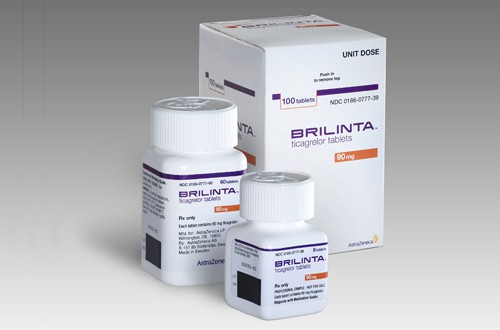
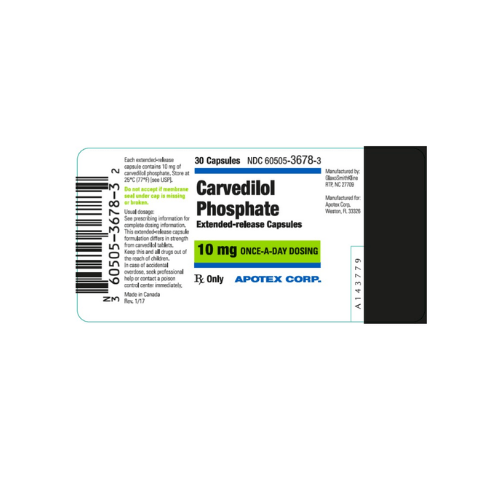
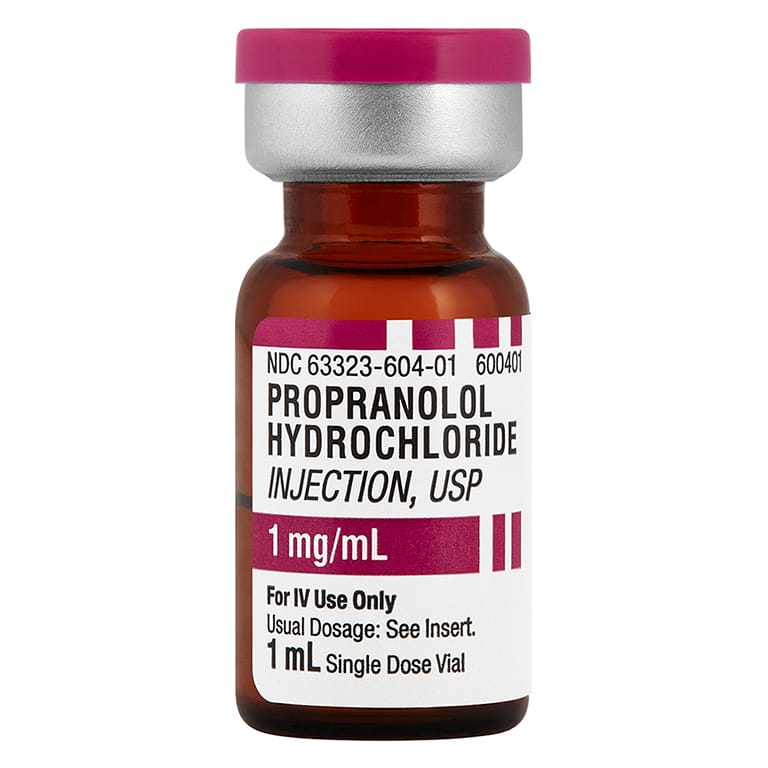
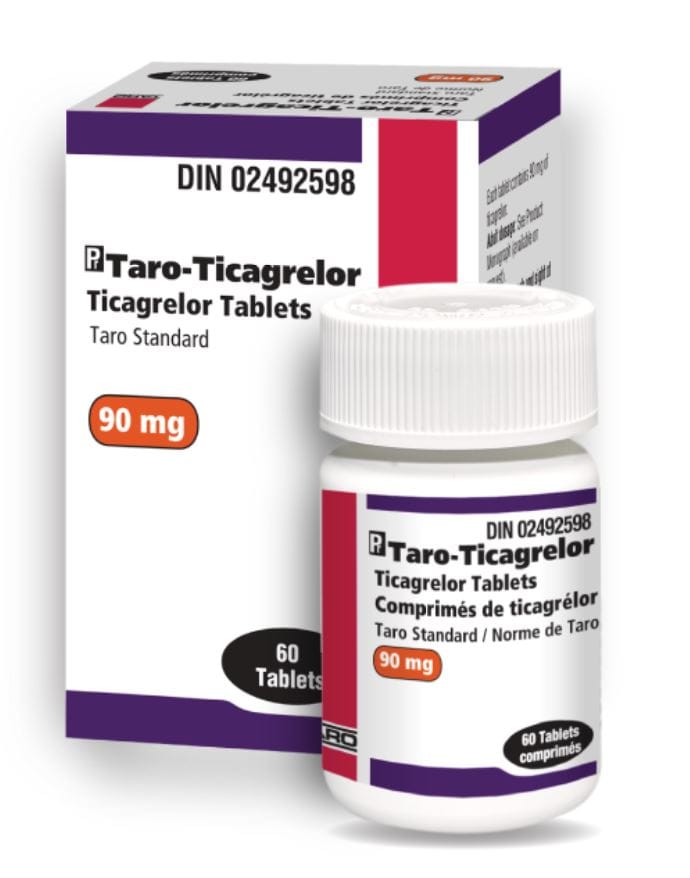
Book a telehealth visit to discuss Myocardial Infarction
Find a doctor
Speciality
State

Video Visit
$69

Video Visit
$69

Video Visit
$69

Video Visit
$69

Video Visit
$69

Video Visit
$69

Speciality: Dermatology, Family Medicine, Men's Health, Urgent Care, Women's health
Speaks: English, Spanish, French, Arabic, Portuguese
Video Visit
$69

Video Visit
$69

Video Visit
$69

Video Visit
$69

Video Visit
$69

Video Visit
$69
Frequently Asked Questions
What is a myocardial infarction, and is it the same as a heart attack?
A myocardial infarction is the medical term for a heart attack. It usually means part of the heart muscle was damaged from reduced blood flow. People may also see related terms like myocardial ischemia, which means reduced blood flow without confirmed tissue damage. Hospital notes may include supporting findings such as ECG changes and elevated troponin. This category page focuses on practical terms, common follow-up topics, and how to browse related resources.
What is the difference between STEMI and NSTEMI?
STEMI and NSTEMI are two types of heart attack that differ in typical ECG patterns and how clinicians describe the event. STEMI usually refers to ST-elevation on the electrocardiogram. NSTEMI does not show that pattern, but can still have evidence of heart muscle injury, such as elevated troponin. Only a licensed clinician can interpret these findings in context. This page uses both terms so caregivers can better follow discharge paperwork.
What myocardial infarction symptoms should be treated as an emergency?
New or worsening chest pressure, pain spreading to the arm or jaw, sudden shortness of breath, fainting, or severe sweating can be emergency warning signs. Stroke-like symptoms, including sudden weakness or trouble speaking, also need urgent evaluation. Some people have a silent heart attack with milder symptoms, especially older adults or people with diabetes. When symptoms seem severe or sudden, emergency services are appropriate. This page is not a substitute for urgent medical care.
What kinds of medications are commonly discussed after a heart attack?
Care plans after a heart attack often discuss several medication classes. These can include antiplatelet therapy (clot-preventing medicine), beta blockers, cholesterol-lowering medicines, and blood pressure medicines. Some people may also have medicines related to stent placement or other procedures. The right combination depends on many factors, including other conditions and bleeding risk. This category page helps readers recognize the terms and compare high-level safety notes for discussions with clinicians.
How do prescriptions and telehealth visits work on Medispress for heart-related needs?
Medispress offers video visits with licensed U.S. clinicians in a secure, HIPAA-compliant app. The clinician reviews concerns and decides what care is appropriate. If medication is clinically appropriate, the clinician may coordinate prescription options through partner pharmacies, depending on state regulations. Some items require a prescription and standard verification steps at dispensing. Cash-pay access may be available, often without insurance, depending on the service and medication type.