


Myasthenia Gravis
Care Options for Myasthenia Gravis
This category page collects practical Myasthenia Gravis information for patients and caregivers. It focuses on daily function, common symptoms, and care coordination basics. Some people notice droopy eyelids, double vision, or tiring speech and chewing. Others have broader weakness that often shifts during the day. The goal here is simpler browsing, not personal medical advice. Use these materials to support conversations with a treating clinician.
On this browse page, topics include causes, diagnosis, treatment options, and support planning. It also points to medication overviews for commonly used therapies. When terms feel technical, short definitions sit beside plain-language explanations. That often helps caregivers track changes and share accurate details.
Medispress visits take place by video in a secure, HIPAA-compliant app. This page also notes administrative steps around prescriptions and pharmacy fulfillment. Coverage varies, so some listings may mention cash-pay options without insurance.
Myasthenia Gravis: What You’ll Find
This collection combines condition basics with medication navigation in one place. It explains how nerve-to-muscle signaling problems may cause fluctuating weakness. It also covers why rest, time of day, and illness can matter.
Short summaries describe common patterns like ocular myasthenia gravis and generalized myasthenia gravis. You will also see plain explanations of myasthenia gravis symptoms and common triggers. Some sections outline myasthenia gravis causes in simple, non-technical language. Where helpful, the page notes MGFA classification as a staging framework.
Medication summaries focus on what a drug is used for and key precautions. For example, pyridostigmine information can clarify symptom-focused goals and timing questions. Other pages may describe immunotherapy (immune-targeting treatment) and surgical options, such as thymectomy.
- Symptom and subtype overviews, written for everyday reading
- High-level myasthenia gravis diagnosis and care pathway context
- Medication pages with indications and safety highlights
- Notes on prognosis and common follow-up needs
- Support groups and education links from trusted organizations
How to Choose
When comparing resources for Myasthenia Gravis, start with the person’s main challenges. Some focus on eye symptoms, while others center on swallowing or limb endurance. Look for resources that separate short-term symptom control from long-term planning. Also check that the content distinguishes routine flares from urgent concerns.
Quick tip: Keep a current medication list ready for any appointment or refill request.
Match the resource to the situation
- Current symptom pattern and what makes it worse or better
- Whether symptoms stay near the eyes or involve more muscle groups
- Recent infections, surgeries, or major stressors that may affect function
- Work, school, or caregiving needs that shape daily activity planning
- Questions about myasthenia gravis exercise guidance or safe activity pacing
- Diet considerations, including chewing fatigue and hydration planning
- New medicine starts, stops, or interaction concerns to review
Use medication pages effectively
- Read the “what it treats” section before the details list
- Note common side effects and when to report concerns
- Check for warnings tied to other conditions or other medicines
- Bring the full medication list, including vitamins and supplements
- Save the page link for easy reference during follow-up visits
People often compare myasthenia gravis treatment options by goals and tradeoffs. Those comparisons work best when a clinician reviews the full history. Use this page to organize questions and avoid missing key details.
Safety and Use Notes
Many MG treatments affect muscle strength, breathing, or immune activity. That makes careful monitoring and clear communication important. Medication pages highlight common precautions and interaction themes. They do not replace individualized medical guidance.
Some Myasthenia Gravis medications work on nerve signaling, while others change immune responses. A clinician may also discuss rescue therapies like IVIG (intravenous immune globulin) or plasma exchange in severe cases. These approaches have specific risks and monitoring needs. Never assume a treatment fits without a clinical review.
Why it matters: Breathing or swallowing changes can signal an urgent situation.
- Do not ignore fast worsening weakness or trouble catching breath
- Share recent infections, new medicines, and surgery plans with clinicians
- Ask about vaccine timing if immune therapies come up in planning
- Plan ahead for travel, heat exposure, and sleep disruption when possible
- Look for myasthenic crisis information that emphasizes emergency evaluation
A licensed U.S. clinician makes all clinical decisions during Medispress visits. That includes whether symptoms need in-person evaluation or urgent care. Use the educational content here to stay organized between appointments.
Access and Prescription Requirements
Myasthenia Gravis medications often require an active prescription and pharmacy verification. Requirements vary by drug, state rules, and clinical appropriateness. This category page explains the common administrative steps. It also clarifies which details help clinicians review a request.
Some people seek cash-pay access without insurance for simplicity. Others use insurance when available, depending on the pharmacy and plan. Medication availability and dispensing rules still apply in both situations. Pharmacy teams may also confirm identity and prescription validity before dispensing.
- Prescription-only medicines require clinician authorization and pharmacy dispensing
- Refills often depend on recent follow-up and current symptom status
- Accurate medication lists reduce delays and safety concerns
- State regulations can affect where prescriptions can be sent
- Shipping and pickup options depend on the dispensing pharmacy
When clinically appropriate, providers can coordinate prescription options through partner pharmacies, subject to state regulations. That coordination supports continuity, but it does not guarantee fulfillment. This page aims to make the process easier to understand.
Related Resources
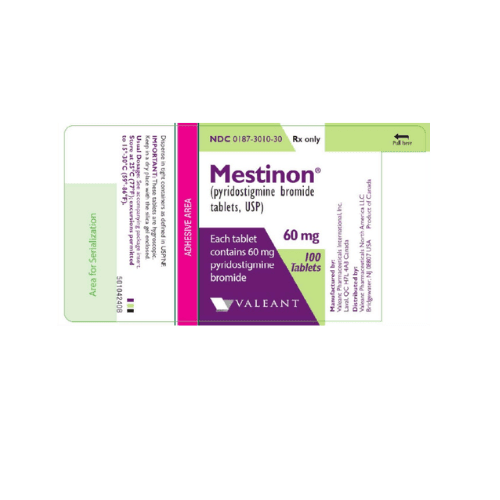
For day-to-day planning, these Myasthenia Gravis resources can support organized follow-up. Start with medication entries when a specific drug name comes up in care. See the Mestinon page for a focused overview, including key precautions. Review Mestinon SR for extended-release context and common questions.
For more background, see this overview from NIH NINDS. For community education, see resources from the Myasthenia Gravis Foundation of America. Support groups can also help with practical coping and caregiver planning.
This content is for informational purposes only and is not a substitute for professional medical advice.

Find suitable medication for Myasthenia Gravis

Book a telehealth visit to discuss Myasthenia Gravis
Find a doctor
Speciality
State

Video Visit
$69

Video Visit
$69

Video Visit
$69

Video Visit
$69

Video Visit
$69

Video Visit
$69

Speciality: Dermatology, Family Medicine, Men's Health, Urgent Care, Women's health
Speaks: English, Spanish, French, Arabic, Portuguese
Video Visit
$69

Video Visit
$69

Video Visit
$69

Video Visit
$69

Video Visit
$69

Video Visit
$69
Frequently Asked Questions
What will I find on this Myasthenia Gravis category page?
This category page brings together condition education and medication navigation. It covers common symptom patterns, typical care pathways, and terms that often appear in clinic notes. It also links to medication pages, which summarize what a drug is used for and key safety cautions. The goal is to make browsing easier for patients and caregivers. It is not a tool for self-diagnosis or treatment decisions.
What is the difference between ocular and generalized myasthenia gravis?
Ocular myasthenia gravis mainly affects eye muscles. People often describe drooping eyelids or double vision that varies during the day. Generalized myasthenia gravis involves other muscle groups too, such as arms, legs, swallowing, or breathing muscles. Symptoms can still fluctuate and worsen with fatigue or illness. A clinician makes the diagnosis and determines the subtype using the full clinical picture.
Which medication pages are linked from this category?
This page links to medication overviews for Mestinon and Mestinon SR. These pages explain how the medicines are used in care, along with common precautions and interaction themes. They also describe what information clinicians and pharmacies usually need for safe prescribing and dispensing. These entries are informational and do not replace an individualized plan. Clinicians decide whether a medication is appropriate for a specific person.
What is a myasthenic crisis, and when is it urgent?
A myasthenic crisis is a severe worsening of weakness that can affect breathing or swallowing. It is considered an emergency because airway and breathing support may be needed. Educational resources may describe warning signs like increasing shortness of breath, difficulty clearing secretions, or rapidly worsening swallowing issues. Anyone concerned about these symptoms should seek urgent evaluation. This category page provides background and links, not emergency triage.
How can telehealth fit into ongoing care for MG?
Telehealth can support routine check-ins, medication questions, and care coordination. Visits may help clinicians review symptom changes, side effects, and the full medication list. Telehealth can also help identify when in-person exams or urgent evaluation are more appropriate. Medispress uses video visits in a secure app with licensed U.S. clinicians. When clinically appropriate, providers may coordinate prescription options through partner pharmacies under state regulations.