


Mixed Dyslipidemia
Care Options for Mixed Dyslipidemia
Mixed Dyslipidemia describes a cholesterol and triglyceride pattern that raises concern. It often involves LDL cholesterol and triglycerides running high together. HDL cholesterol may also run low at the same time. This category page helps patients and caregivers compare common care resources. It also helps with medication-class information and access basics, in one place.
Why it matters: This lipid pattern can increase long-term cardiovascular risk over time.
Medispress visits happen by video with U.S.-licensed clinicians.
People sometimes hear terms like atherogenic dyslipidemia (higher-risk lipid pattern) or metabolic syndrome (a cluster of cardiometabolic risks). Others may be told to check for secondary causes of dyslipidemia, such as diabetes, thyroid disease, or alcohol use. Some families also see familial combined hyperlipidemia as a genetic contributor. The goal here is to support informed conversations and easier browsing.
Mixed Dyslipidemia What You’ll Find
This browse page brings together practical information that often comes up during lipid care. It focuses on the “combined” pattern, where more than one number looks off. That can include LDL high triglycerides high, or triglycerides high and low HDL. It can also include non-HDL cholesterol, which sums up several atherogenic particles.
Across this category, the emphasis stays administrative and educational. Expect high-level summaries of common medication classes and lifestyle themes. You may also see helpful terms explained, such as apoB measurement (a blood marker of atherogenic particle number). When guidelines come up, they are described in plain language. They can help frame questions without replacing a clinician’s judgment.
- Common symptoms people notice, and when none appear
- Typical causes, including metabolic and medication-related factors
- How clinicians confirm the pattern using a lipid panel (blood test)
- Management themes, including diet and lifestyle changes
- Medication classes that may be discussed in care visits
- Guideline terms like ASCVD risk and non-HDL targets
How to Choose
Start by matching resources to the main problem on the lab report. Some people need clarity on the pattern itself. Others need help organizing questions for a visit. This page works best when used alongside recent lab values. It also helps to note current medicines and supplements.
Start With the Lipid Pattern
Combined lipid issues can look different across people and time. Triglycerides can swing with meals, alcohol, and blood sugar. LDL can shift with weight changes, medicines, and thyroid status. Non-HDL cholesterol and apoB can add context when triglycerides run high.
- Look for whether triglycerides are high, very high, or variable
- Note if HDL is low, especially with insulin resistance concerns
- Check whether LDL is elevated, or if non-HDL is more informative
- List any prior ASCVD events, since risk context matters
- Gather recent lab dates, fasting status, and any major changes
Consider Causes and Context
Many cases involve more than one driver. Metabolic syndrome dyslipidemia often overlaps with weight, blood sugar, and blood pressure. Secondary causes can include hypothyroidism, kidney disease, liver disease, and some medications. Family history can matter, especially with familial combined hyperlipidemia. Hormone shifts can also influence lipid levels across life stages.
- Write down alcohol intake, since alcohol and triglycerides can link
- Note diabetes or prediabetes history, since insulin resistance affects lipids
- Bring a full medication list, including over-the-counter products
- Ask how lifestyle for high triglycerides differs from LDL-focused plans
- Ask which measurements matter most: LDL, non-HDL, or apoB
Quick tip: Keep a single list of medicines, supplements, and allergies.
If cardiometabolic health overlaps with diabetes planning, these resources may help organize broader questions: Reverse Type 2 Diabetes and 7 Day Meal Plan.
Safety and Use Notes
Medication discussions often include statins for LDL lowering, fibrates for mixed patterns with high triglycerides, and omega-3 fatty acids (triglyceride-lowering fats). Some people ask about niacin (a B vitamin sometimes used for lipids), especially around niacin HDL triglycerides tradeoffs. Others may hear about PCSK9 inhibitors (injectable LDL-lowering medicines) for select higher-risk situations. Each option has different monitoring needs and interaction risks.
Medispress clinicians make the medical decisions for each individual case.
People managing Mixed Dyslipidemia may have other conditions that affect safety. That can include liver disease, kidney disease, pregnancy, or complex medication lists. Some lipid medicines can interact with anticoagulants, diabetes medicines, or certain antibiotics. Muscle symptoms can occur with some therapies, and clinicians may monitor labs when appropriate. For plain-language overviews, consider these references: American Heart Association guidance on cholesterol basics from the American Heart Association and general cholesterol information from MedlinePlus.
- Share pregnancy status, liver history, and kidney history before starting new therapies
- Report new muscle pain, weakness, or dark urine to a clinician promptly
- List all supplements, since “natural” products can still interact
- Ask whether fasting labs matter for follow-up, based on triglyceride levels
- Discuss alcohol use, since it can worsen triglycerides in some people
Access and Prescription Requirements
Some lipid-lowering options require a prescription and pharmacy dispensing. In those cases, clinicians typically review history, current medicines, and recent lab results. This helps confirm the problem and rule out secondary causes. Some people also prefer cash-pay options, often without insurance, depending on availability.
If Mixed Dyslipidemia appears on a recent report, it helps to have key details ready. That includes lab dates, fasting status, and prior treatment history. It also helps to document prior side effects, if any occurred. These details can reduce delays and improve clarity during a review.
When clinically appropriate, providers can coordinate prescriptions through partner pharmacies under state rules.
- Have an up-to-date medication list, including dose forms and schedules
- Keep recent lipid results available, including triglycerides and non-HDL values
- Confirm the preferred dispensing pharmacy details before submitting requests
- Expect prescription verification steps when required by law or policy
- Plan for follow-up questions if labs are older or symptoms changed
Related Resources
Many lipid patterns overlap with everyday issues like diet quality, activity limits, and hormone changes. For broader context around Mixed Dyslipidemia and whole-body health, these Medispress resources can support planning and note-taking. They can also help caregivers support routines without adding pressure.
- Child Nutrition That Works for practical meal structure ideas
- Menopause Hormonal Health Tips for life-stage context and tracking
- Joint Pain Relief Methods for staying active with less discomfort
- Relieve Back Pain At Home for movement-friendly daily habits
This content is for informational purposes only and is not a substitute for professional medical advice.

Find suitable medication for Mixed Dyslipidemia

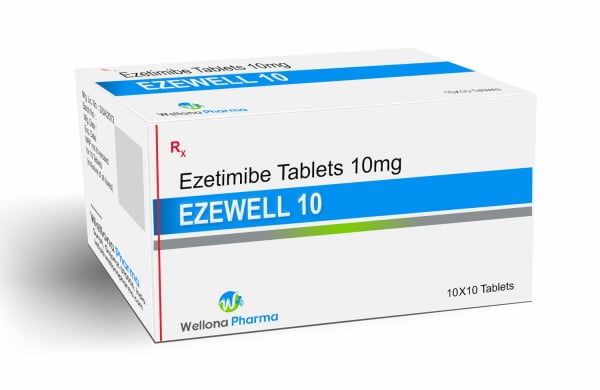
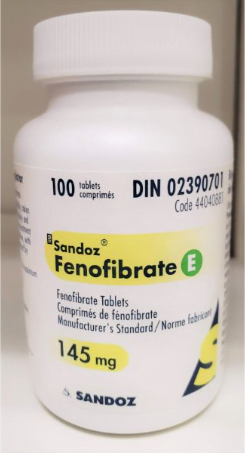

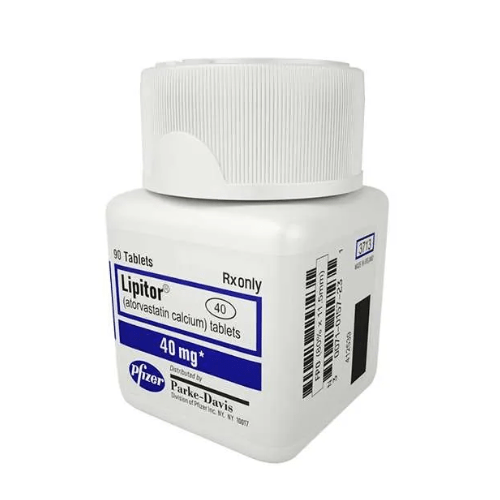
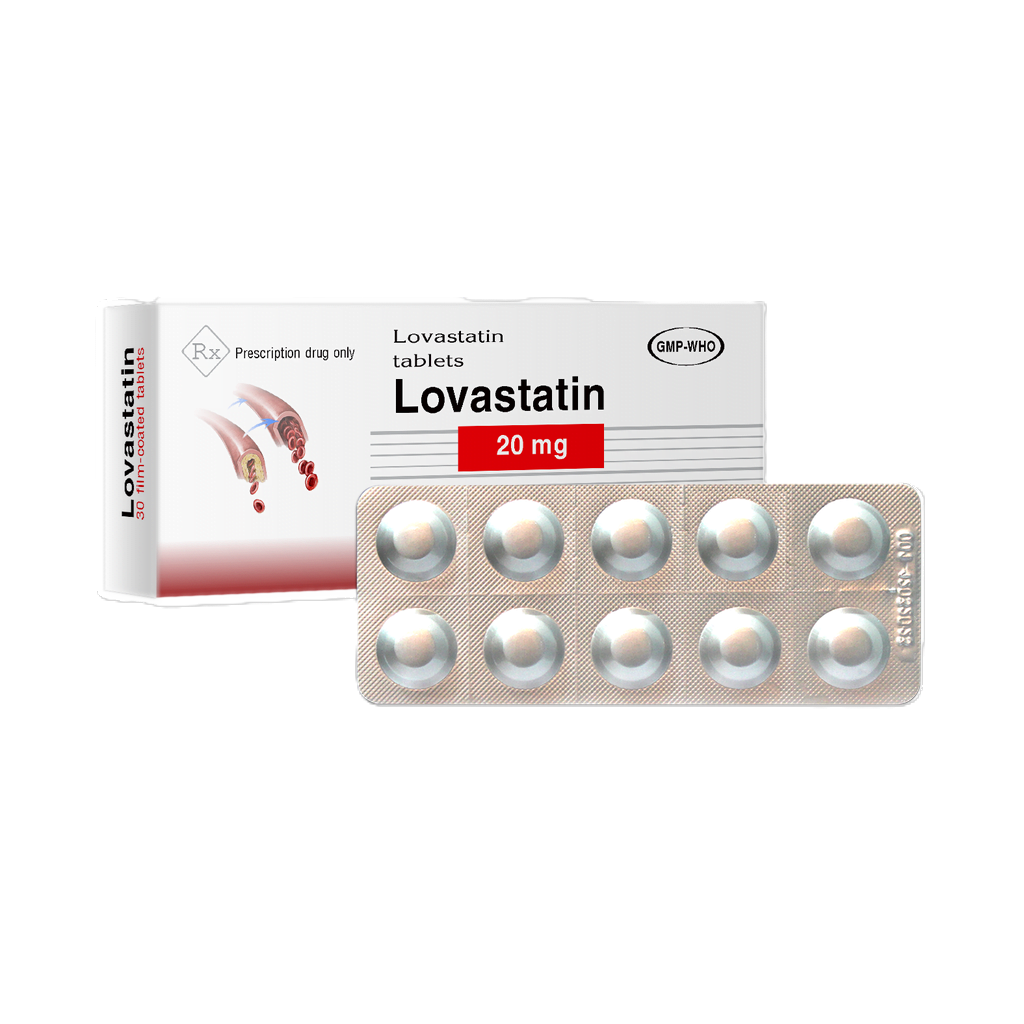

Book a telehealth visit to discuss Mixed Dyslipidemia
Find a doctor
Speciality
State

Video Visit
$69

Video Visit
$69

Video Visit
$69

Video Visit
$69

Video Visit
$69

Video Visit
$69

Speciality: Dermatology, Family Medicine, Men's Health, Urgent Care, Women's health
Speaks: English, Spanish, French, Arabic, Portuguese
Video Visit
$69

Video Visit
$69

Video Visit
$69

Video Visit
$69

Video Visit
$69

Video Visit
$69
Frequently Asked Questions
What does mixed dyslipidemia mean on a lab report?
Mixed dyslipidemia usually means more than one lipid number is abnormal. It often involves high triglycerides and higher atherogenic cholesterol particles. HDL may be low at the same time. Many people have no symptoms, even with abnormal results. Clinicians interpret the pattern using the full lipid panel context. They also consider fasting status, recent illness, and medication changes. This category page helps compare common terms and next-step questions.
What information should I gather before a lipid-related visit?
Bring recent lipid results, including dates and fasting status if known. Write down current medicines, vitamins, and supplements, with names and doses. Include past side effects or allergies, even if they seemed minor. Note major changes like weight loss, new exercise limits, or alcohol changes. List other diagnoses, like diabetes or thyroid disease, since they affect lipids. This preparation helps the clinician review risk and options efficiently.
Which medication types are commonly discussed for combined lipid problems?
Clinicians often discuss statins, which mainly lower LDL cholesterol. They may also discuss fibrates or prescription omega-3 products for high triglycerides. In select situations, clinicians may consider other LDL-lowering options, including PCSK9 inhibitors. Niacin sometimes comes up, but it has specific tolerability concerns for some people. The right approach depends on risk, lab patterns, and other health conditions. This page summarizes classes without giving dosing advice.
Can mixed lipid patterns be caused by something else?
Yes, secondary causes can contribute to abnormal lipids. Common examples include diabetes, hypothyroidism, kidney disease, and liver conditions. Some medicines can raise triglycerides or affect LDL and HDL levels. Alcohol intake can also raise triglycerides in some people. Family history can matter, including familial combined hyperlipidemia. A clinician usually reviews these factors alongside lab trends. This page highlights what to ask about, not what to diagnose.
How can Medispress fit into lipid care planning?
Medispress supports video visits with licensed U.S. clinicians through the platform. Clinicians decide what evaluation and treatment makes sense for the situation. When appropriate, providers may coordinate prescription options through partner pharmacies, following state requirements. This category page helps with browsing and education before or after a visit. It can also help caregivers track questions and organize lab dates. It does not replace individualized medical advice.