


Migraine
Care Options for Migraine
This category page gathers practical information and options for Migraine care. It is built for patients and caregivers who want clarity. It focuses on symptom patterns, common triggers, and care pathways. It also explains how prescriptions and pharmacy verification usually work.
Head pain can look similar across conditions. Some episodes include nausea, light sensitivity, or vision changes. Others include dizziness, neck pain, or one-sided throbbing. This page helps compare terms like aura, chronic patterns, and different headache types.
Medispress offers video visits with licensed U.S. clinicians in a HIPAA-compliant app.
Migraine What You’ll Find
Use this browse page to compare how migraine is described in plain language. It also uses clinical terms that clinicians may document. That mix helps when reading labels, visit notes, or care plans. It can also help when tracking symptom changes over time.
The page also highlights how migraine vs headache comparisons are usually framed. Some headaches signal sinus pressure or muscle tension. Others match a cluster pattern or a primary migraine pattern. For context on overlap, review Common Types Of Headaches and Cluster Headache Signs.
Expect clear definitions for types and symptom clusters. Examples include migraine aura (temporary sensory changes), vestibular migraine (balance symptoms), and hemiplegic migraine (temporary weakness). The collection also flags situations where blurred vision or eye pain may need separate evaluation.
- Common migraine symptoms and how they vary across people
- Migraine triggers and prevention themes, like sleep and stress patterns
- Types of migraine, including chronic migraine and menstrual migraine
- Medication classes often discussed for acute relief and prevention
- Notes on special situations, like pregnancy or pediatric migraine
- Administrative details for prescriptions and pharmacy coordination
How to Choose
This page can support planning and better questions for a visit. It also helps compare migraine treatment options without guessing. The goal is organized information, not a self-made treatment plan. Many people start by separating symptom patterns from suspected triggers.
Quick tip: Keep a simple symptom diary with timing, foods, sleep, and stress notes.
Match resources to the pattern
- Timing and duration of attacks, including morning versus evening onset
- Associated features, like nausea, sound sensitivity, or scalp tenderness
- Neurologic symptoms, including migraine aura, tingling, or speech changes
- Possible vestibular features, such as spinning sensation or imbalance
- Hormone-linked patterns, including menstrual timing or perimenopause changes
- Visual complaints, like light flashes, blind spots, or blurred vision episodes
- Frequency patterns that suggest episodic versus chronic migraine tracking
Bring the right questions to a clinician
- What a migraine diagnosis typically considers, including history and exam
- How clinicians weigh risk factors and decide if imaging is needed
- How to compare acute options, including triptans for migraine and antiemetics
- How prevention approaches can include CGRP inhibitors for migraine or botox for migraine
- How to avoid medication overuse headache with frequent symptom days
- How other conditions can mimic migraine symptoms, like sinus disease or eye strain
For visit logistics, see Prepare For Telehealth Appointment. If technology is a concern, review Smooth Virtual Doctor Visit.
Safety and Use Notes
Safety depends on the full medical picture and current medications. Some options affect blood vessels, bleeding risk, or sedation. Others have pregnancy and breastfeeding cautions. This section summarizes common themes without dosing or personal recommendations.
Clinicians decide what testing or treatment fits the history and exam.
Many people ask about nonprescription migraine relief and home remedies for migraine. Labels matter for acetaminophen (pain reliever) and NSAIDs (nonsteroidal anti-inflammatory drugs). Combination products can also repeat the same ingredient. Caffeine can complicate symptoms for some people, especially with frequent use.
Why it matters: Sudden, severe symptoms can signal a medical emergency.
- Seek urgent evaluation for sudden worst-ever head pain or collapse
- Get urgent care for weakness, confusion, fainting, or new speech problems
- Do not ignore fever, stiff neck, or rash with head pain
- Prompt assessment matters after a head injury with worsening symptoms
- New vision loss or severe eye pain needs timely evaluation
- Pregnancy-related severe headaches deserve same-day medical assessment
For symptom context, review Blurred Vision Causes and Eye Pain Care. If dizziness is a major feature, see Dizziness Relief Methods. For a general clinical overview, see the American Migraine Foundation migraine overview.
Access and Prescription Requirements
Some treatments are nonprescription, while others require an Rx. Pharmacies typically verify prescriptions before dispensing. They also check safety screens like allergies and interaction warnings. Requirements can vary by medication class and by state rules.
If appropriate, prescriptions can go to partner pharmacies, following state dispensing rules.
Medication access can also depend on documentation and prior history. For example, a clinician may review past response, side effects, and contraindications. Some people use cash-pay options, sometimes without insurance. Availability and final dispensing decisions remain with the pharmacy.
- Rx-only options require a valid prescription from a licensed clinician
- Identity and address verification may be required for certain medications
- Controlled substance rules can add extra limits and checks
- Refill timing and quantity limits depend on the prescription and regulations
- Pregnancy status and age can affect what options are considered
- Sharing a complete medication list supports safer pharmacy review
For another authoritative reference on headache warning signs, review the NINDS headache overview.
Related Resources
Use the resources below to learn common patterns and practical terminology. They can help separate tension-type pain from other headache presentations. They can also help organize questions for follow-up care after a Migraine diagnosis. For at-home comfort ideas that stay non-dosing, see Treat Head Pain At Home.
For comparison reading, review Tension Headaches At Home. For broader context on common headache categories, revisit Common Types Of Headaches. If a cluster pattern is a concern, see Cluster Headache Signs. If symptoms include dizziness or vision changes, the pages on Dizziness Relief Methods and Blurred Vision Causes can add helpful definitions.
This content is for informational purposes only and is not a substitute for professional medical advice.

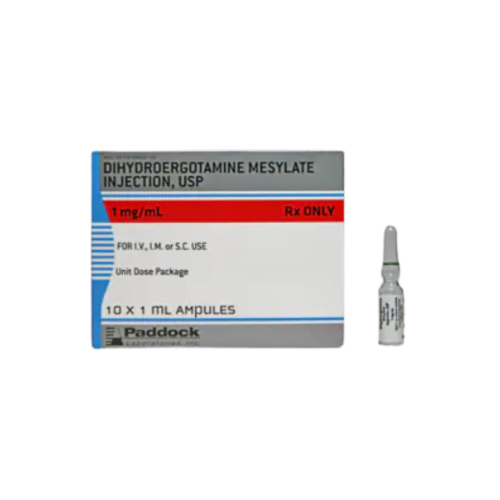
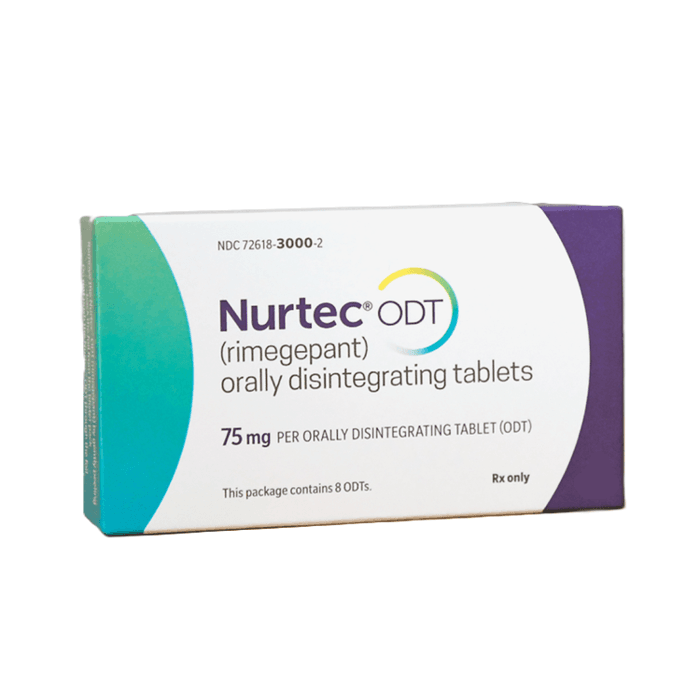
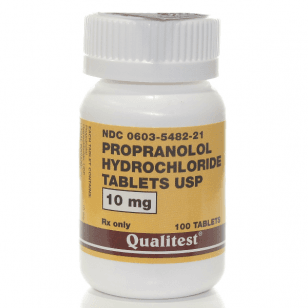
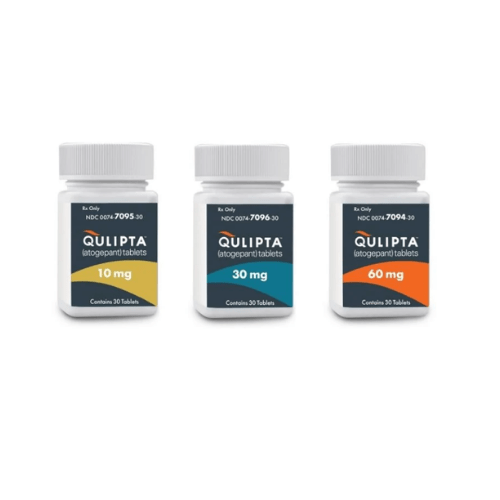
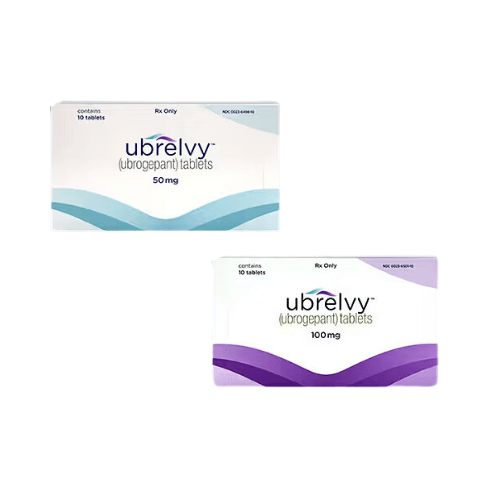
Find suitable medication for Migraine











Book a telehealth visit to discuss Migraine
Find a doctor
Speciality
State

Video Visit
$69

Video Visit
$69

Video Visit
$69

Video Visit
$69

Video Visit
$69

Video Visit
$69

Speciality: Dermatology, Family Medicine, Men's Health, Urgent Care, Women's health
Speaks: English, Spanish, French, Arabic, Portuguese
Video Visit
$69

Video Visit
$69

Video Visit
$69

Video Visit
$69

Video Visit
$69

Video Visit
$69
Frequently Asked Questions
What is the difference between migraine and a headache?
Migraine is a neurologic condition that often includes head pain plus other symptoms. These can include nausea, light sensitivity, sound sensitivity, and activity intolerance. Some people also have aura, which can cause temporary visual or sensory changes. Many other headaches do not include these features. Tension-type headache often feels like pressure or tightness. Cluster headache tends to come in severe, time-linked cycles. A clinician can help sort patterns and risks.
What information helps a clinician assess migraine symptoms?
Clinicians often start with the story of symptoms over time. Helpful details include when attacks start, how long they last, and where the pain sits. Associated symptoms matter too, like nausea, dizziness, or sensitivity to light. Any neurologic symptoms should be noted, including speech changes or weakness. A medication list, allergies, and health conditions help with safety screening. Prior treatments and response can also guide which options are considered next.
Which migraine treatment options are commonly discussed?
Care plans often include acute options and prevention options. Acute choices can include nonprescription pain relievers, anti-nausea medicines, or prescription therapies like triptans. Prevention discussions may include lifestyle factors, other prescription medications, CGRP-targeting therapies, or botulinum toxin injections in specific situations. The best fit depends on symptom frequency, medical history, pregnancy status, and medication interactions. Labels and contraindications matter, so treatment decisions should stay with a licensed clinician.
When is urgent evaluation important for a severe headache?
Urgent evaluation is important when a headache is sudden and extreme. It also matters with new neurologic symptoms like confusion, fainting, weakness, or speech problems. Fever, stiff neck, rash, or severe illness alongside head pain needs prompt assessment. Headache after a head injury can also be urgent, especially if symptoms worsen. New vision loss or severe eye pain deserves timely care. These situations can signal conditions beyond primary headache disorders.
How do prescription requirements work for migraine medications on Medispress?
Some medicines require a prescription, while others are nonprescription. When an Rx is needed, a licensed U.S. clinician evaluates the visit details first. Visits take place by video in a secure, HIPAA-compliant app. The clinician determines whether a prescription is appropriate. If it is, the prescription may be coordinated through partner pharmacies, depending on state rules. Pharmacies then verify the prescription and complete standard safety checks before dispensing.