


Merkel Cell Carcinoma
Care Options for Merkel Cell Carcinoma
Finding clear information about Merkel Cell Carcinoma can feel overwhelming at first. This category page gathers practical resources for patients and caregivers. It focuses on common terms, care pathways, and administrative next steps. It also helps with browsing related services and prescription requirements.
Because this skin cancer can look like other spots, diagnosis often depends on testing. Many people start with a new, fast-growing bump on sun-exposed skin. Others hear about lymph nodes or imaging results before symptoms feel obvious. The sections below explain how clinicians describe stage, risk, and follow-up plans.
Quick tip: Keep pathology reports and imaging summaries in one folder.
Merkel Cell Carcinoma What You’ll Find
This browse page centers on the details people often need at the start. It highlights key vocabulary, like staging and metastatic disease (spread to other sites). It also points to common treatment categories, without steering clinical decisions. Many care plans involve more than one specialty, including dermato-oncology (skin cancer specialists).
Expect to see references to diagnosis steps, like a biopsy (tissue sample). Some records also mention sentinel lymph node biopsy (a check for spread to nearby nodes). You may also see merkel cell polyomavirus (MCPyV), a virus linked to many cases. Clinicians use these details to discuss risk and surveillance planning.
Medispress offers video visits with licensed U.S. clinicians when telehealth fits the situation.
- Plain-language explanations of common terms and test names
- Overviews of care pathways, from local disease to metastatic disease
- Administrative notes about prescriptions, refills, and verification steps
- Links to related Medispress collections and educational reading
How to Choose
Care decisions can involve several steps and several clinicians. Use this section as a checklist for organizing questions and records. Merkel Cell Carcinoma care often depends on stage, overall health, and immune status.
Key details to compare across resources
- The exact diagnosis wording from pathology, including margin status
- Stage language, including regional nodes versus distant spread
- Whether clinicians describe disease as primary, recurrent, or metastatic
- Risk factors noted in the chart, like immunosuppression or older age
- Follow-up and surveillance timing, and what tests appear on the plan
- Where care happens, such as dermatology, oncology, surgery, or radiation
Questions to bring to a clinician visit
- What does the stage mean for expected next steps and monitoring?
- Which results still matter, and which ones are older background?
- What signs should trigger earlier evaluation between planned visits?
- Which options are standard, and which fall under clinical trials?
Appointments on Medispress run in a secure, HIPAA-compliant app for video and messaging.
Safety and Use Notes
This section covers high-level safety context and common terms. It does not replace individualized guidance from the treating oncology team. When reading online, remember that pictures can mislead without exam context. A clinician can explain how findings connect to biopsy results.
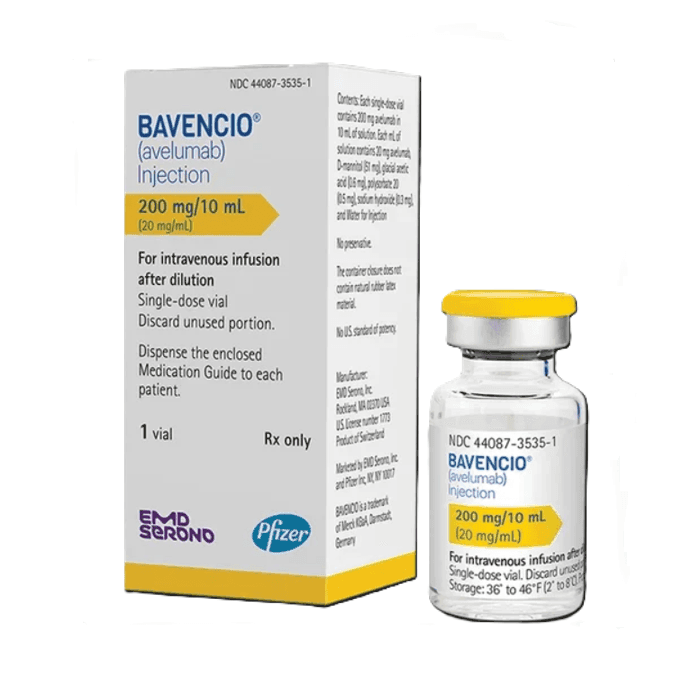
Merkel Cell Carcinoma treatment options can include surgery, radiation, or systemic therapy. Systemic therapy may include merkel cell carcinoma immunotherapy, often discussed as checkpoint inhibitors. Examples include pembrolizumab, avelumab, and nivolumab in appropriate cases. Each medicine has its own labeling and monitoring needs.
Why it matters: Side effects can look like common illnesses and still need attention.
- Checkpoint inhibitors can cause immune-related side effects in many organs
- Radiation therapy can irritate skin and nearby tissues during treatment
- Surgery plans may include margin review and lymph node evaluation
- Recurrent disease may change the monitoring and imaging approach
- Immunosuppressed patients often need closer coordination across teams
For widely used standards, clinicians often reference the NCCN Merkel Cell Carcinoma guidelines.
Access and Prescription Requirements
Some supportive medications require a prescription and pharmacy review. Requirements vary by state and by the specific medicine involved. If a prescription is needed, pharmacies typically verify identity and dosing directions. They may also check for interactions and duplicate therapy.
Medispress clinicians can coordinate prescription options through partner pharmacies when clinically appropriate, and state rules allow.
This page can also help with care logistics for complex conditions. That includes keeping an updated medication list and allergy list. It also includes tracking prior treatments and dates, especially with recurrent disease. Many people use cash-pay options, sometimes without insurance, when coverage is limited. Documentation still matters, even with cash-pay workflows.
- Have the most recent pathology report available for reference
- List current medications, supplements, and recent steroid use
- Note prior cancer treatments, including radiation fields and dates
- Confirm which pharmacy can dispense specialty medications if needed
- Ask how refills and follow-up monitoring typically get documented
Related Resources
Use these links to keep browsing in one place. If a second skin cancer diagnosis appears in records, the Superficial Basal Cell Carcinoma collection can help with terminology and care navigation. For a practical look at prescription safety steps, see Mounjaro Access Safety Steps, focusing on verification and clinical review concepts.
For external references, these sources summarize staging and treatment categories. Read them alongside the care team’s plan, since details vary by person. Here is a neutral overview from the National Cancer Institute overview. For guideline-based framing and patient tools, see NCCN patient resources. Merkel Cell Carcinoma prognosis and survival rate discussions often depend on stage and health status, so clinicians interpret them case-by-case.
- Keep a timeline of symptoms, tests, and treatment decisions
- Track follow-up and surveillance plans in a calendar or notes app
- Save copies of imaging reports, operative notes, and discharge summaries
- Bring questions about clinical trials to the oncology care team
This content is for informational purposes only and is not a substitute for professional medical advice.

Find suitable medication for Merkel Cell Carcinoma
Book a telehealth visit to discuss Merkel Cell Carcinoma
Find a doctor
Speciality
State

Video Visit
$69

Video Visit
$69

Video Visit
$69

Video Visit
$69

Video Visit
$69

Video Visit
$69

Speciality: Dermatology, Family Medicine, Men's Health, Urgent Care, Women's health
Speaks: English, Spanish, French, Arabic, Portuguese
Video Visit
$69

Video Visit
$69

Video Visit
$69

Video Visit
$69

Video Visit
$69

Video Visit
$69
Frequently Asked Questions
What is Merkel cell carcinoma?
Merkel cell carcinoma is a rare skin cancer that often grows quickly. It may appear as a firm, painless bump on sun-exposed skin. A clinician usually confirms the diagnosis with a biopsy and lab review. Reports may mention lymph nodes, imaging, or virus testing such as MCPyV. Many care plans involve dermatology and oncology working together. This page helps organize the terms and steps that often appear in records.
What are common merkel cell carcinoma symptoms?
People often describe a new lump that grows over weeks to months. The spot may look red, pink, or purple, and it can bleed after minor trauma. Some people notice swelling in nearby lymph nodes first. Symptoms alone cannot confirm the diagnosis, since many skin conditions look similar. A clinician uses an exam, biopsy, and sometimes imaging to clarify the cause. Use symptom notes to support accurate history-taking.
How is merkel cell carcinoma diagnosis and staging described?
Diagnosis usually starts with a skin biopsy reviewed by pathology. Reports may include margin status, tumor size, and markers used for confirmation. Staging combines the biopsy details with lymph node evaluation and imaging results. You may see terms like sentinel lymph node biopsy, regional disease, or metastatic disease. Staging language helps the care team discuss monitoring and treatment categories. Ask for copies of pathology and imaging summaries for reference.
What treatment options are discussed for metastatic or recurrent disease?
Clinicians often discuss several categories of treatment for advanced disease. These can include immunotherapy (such as checkpoint inhibitors), radiation therapy, surgery in selected situations, or clinical trials. The best fit depends on stage, past treatments, immune status, and other health conditions. Medication names like pembrolizumab, avelumab, or nivolumab may appear in notes. A treating oncology team reviews benefits, risks, and monitoring needs for each option.
How does prescription access work on Medispress for complex conditions?
Medispress supports telehealth visits through a secure app with video appointments. Licensed U.S. clinicians review history and make clinical decisions. When appropriate, providers may coordinate prescription options through partner pharmacies, based on state rules. Some prescriptions require verification steps at the pharmacy. Many people use cash-pay options, sometimes without insurance, depending on their situation. Keep an updated medication list and key reports ready to reduce delays.