


Menopausal Symptoms
Care Options for Menopausal Symptoms
Changes around midlife can feel confusing, especially when symptoms vary. This category page helps patients and caregivers sort common patterns and terms. It covers Menopausal Symptoms, including perimenopause symptoms and later postmenopause changes. Browse possible causes, care pathways, and related prescription and nonprescription options.
People often ask for a menopause symptoms list, or early menopause signs. This page also explains signs of menopause like hot flashes and night sweats. It is meant for browsing and education, not diagnosis or treatment decisions.
Why it matters: Clear terms can reduce stress during clinical check-ins and care planning.
Medispress telehealth visits connect patients with licensed U.S. clinicians by video.
Menopausal Symptoms: What You’ll Find
This collection organizes common symptom groupings and everyday language. It also includes clinical terms that may appear in records. Examples include vasomotor symptoms (hot flashes and night sweats) and sleep disturbance.
Many people notice vaginal dryness, urinary symptoms, or low libido. Others report mood swings menopause, menopause brain fog, or menopause fatigue. Some see irregular periods menopause during the perimenopause vs menopause transition. This browse page helps compare how these complaints are described across resources.
Each listing typically highlights what a product or option is for. It may also show whether a prescription is required. When available, look for basic safety flags and label language. Natural remedies for menopause may also appear as supportive, non-prescription options.
- Plain-language explanations of common symptoms and symptom clusters.
- Notes that distinguish perimenopause, menopause, and postmenopause stages.
- Administrative details, like prescription status and verification requirements.
- Links to related educational reading on hormonal health and wellbeing.
How to Choose
When comparing Menopausal Symptoms resources, start with timing and pattern details. Symptom timing can differ across the stages of menopause. It can also help separate intermittent flares from persistent daily issues. Many symptoms overlap with stress, sleep loss, or other conditions.
Some people focus on a single symptom like night sweats. Others need a broader view across sleep, mood, and genitourinary changes. It helps to keep language consistent when browsing. That makes comparisons across options faster and less frustrating.
Quick tip: Use a simple log for timing, triggers, and symptom impact.
Match symptoms to the right conversation
- Note the main concern, like hot flashes, insomnia, or vaginal dryness.
- Track related symptoms, like menopause headaches, dizziness, or palpitations.
- Flag mood symptoms, including menopause anxiety or menopause depression patterns.
- Include cycle changes, especially irregular periods or unexpected bleeding.
Check practical fit and constraints
- Confirm if an option is prescription-only or available over the counter.
- Review contraindications listed on labels, especially for hormone-related products.
- Look for interaction warnings if other daily medicines or supplements are used.
- Consider administration basics, like oral, patch, or local vaginal products.
Safety and Use Notes
Menopausal Symptoms can feel similar to issues that need separate evaluation. Examples include anemia, thyroid problems, or sleep disorders. For that reason, many resources emphasize symptom context and screening. They also stress the limits of self-diagnosis.
Hormone therapy information may appear as HRT for menopause symptoms resources. These materials often reference estrogen or progesterone options and labeling warnings. For a plain-language overview, see the National Institute on Aging. For clinical guidance, review ACOG’s menopause FAQ.
Appointments run in a HIPAA-focused app designed to protect health information.
Natural supplements and “bioidentical” claims can be confusing. Some products may interact with prescription medications. Others may have inconsistent ingredient amounts across brands. Label-reading and clinician review can reduce avoidable risks.
- Check labels for pregnancy warnings, allergy ingredients, and drug interaction statements.
- Be cautious with combined products that include multiple herbs or hormones.
- Seek prompt evaluation for chest pain, fainting, or severe shortness of breath.
- Ask how osteoporosis risk menopause relates to long-term care planning.
Access and Prescription Requirements
Access routes differ across options for Menopausal Symptoms support. Some items are nonprescription and focus on comfort measures. Others require a prescription based on medical history and risk factors. Requirements can also vary by product type and pharmacy rules.
Prescription workflows usually include identity checks and prescription verification. Licensed pharmacies typically dispense prescription medications when legally required. Some options may be available as cash-pay, often without insurance, depending on eligibility and state rules.
When appropriate, clinicians can route prescriptions to partner pharmacies under state rules.
- A health history review, including migraines, clotting history, and cancer history.
- A current medication list, including supplements and over-the-counter sleep aids.
- Details on symptom duration, such as how long do menopause symptoms last.
- Confirmation of preferred pharmacy, when more than one option exists.
Related Resources
Menopausal Symptoms often connect with broader hormonal health questions. Reading a focused guide can make browsing faster and more organized. It can also clarify terms like early menopause signs and perimenopause symptoms.
For lifestyle and self-care context, see Hormonal Health Tips For Menopause. It covers practical routines that may support comfort and sleep. It also explains how hormonal shifts can affect skin, hair, and mood.
- Review common symptom clusters before comparing products and care options.
- Keep notes on what has been tried and what side effects occurred.
- Use consistent terms when saving items for later comparison.
This content is for informational purposes only and is not a substitute for professional medical advice.

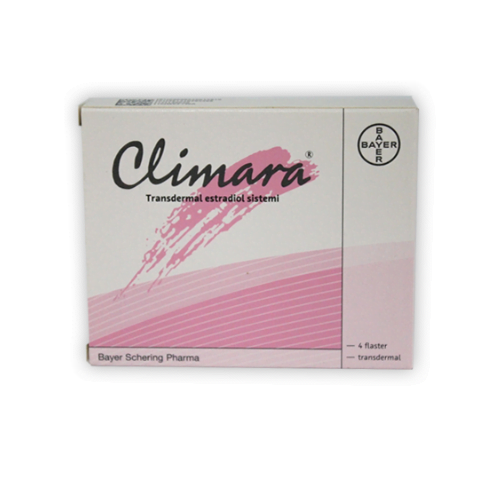
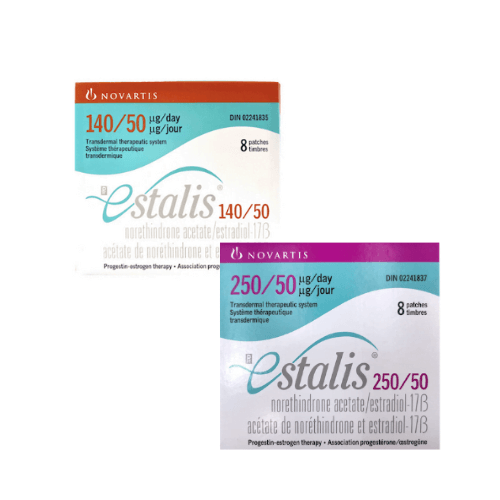
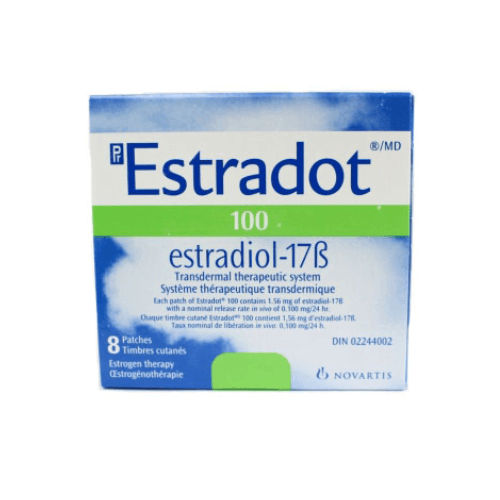
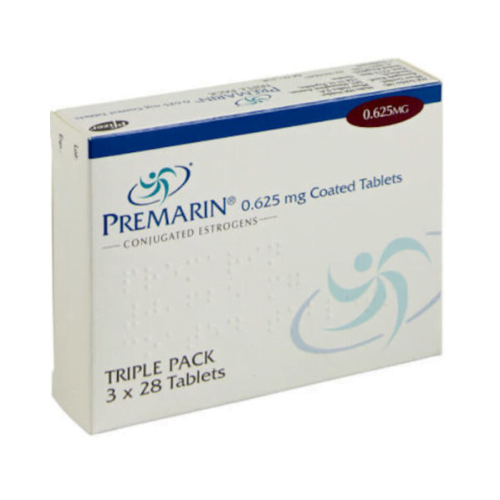
Find suitable medication for Menopausal Symptoms


Book a telehealth visit to discuss Menopausal Symptoms
Find a doctor
Speciality
State

Video Visit
$69

Video Visit
$69

Video Visit
$69

Video Visit
$69

Video Visit
$69

Video Visit
$69

Speciality: Dermatology, Family Medicine, Men's Health, Urgent Care, Women's health
Speaks: English, Spanish, French, Arabic, Portuguese
Video Visit
$69

Video Visit
$69

Video Visit
$69

Video Visit
$69

Video Visit
$69

Video Visit
$69
Frequently Asked Questions
What symptoms are commonly included under menopausal symptoms?
Common signs include hot flashes, night sweats, and sleep disruption. Many people also report mood changes, brain fog, and fatigue. Genitourinary symptoms can include vaginal dryness and urinary urgency. Cycle changes often happen earlier, during perimenopause. Symptom patterns can differ widely across individuals. A symptom list is helpful for tracking and communication, not self-diagnosis.
How is perimenopause different from menopause?
Perimenopause is the transition phase before menopause is confirmed. It often includes irregular periods and shifting symptom intensity. Menopause is defined after a full year without menstrual periods. After that point, postmenopause describes the later stage. Resources sometimes use these terms loosely, which adds confusion. Tracking timing and cycle changes can help interpret the stage labels used on pages.
What kinds of care options might appear on this category page?
This browse page may include prescription options, nonprescription products, and educational guides. Some options focus on vasomotor symptoms, like hot flashes and night sweats. Others focus on local symptoms, like vaginal dryness or urinary discomfort. Information on hormone therapy may appear alongside nonhormonal approaches. The page may also note prescription status and pharmacy requirements. Listings vary by availability and clinical appropriateness.
When are prescriptions required for menopause-related treatments?
Prescriptions are required for many hormone and nonhormone medications. Requirements depend on the product and applicable pharmacy regulations. A clinician typically reviews medical history and current medications first. Pharmacies also verify prescriptions before dispensing regulated medications. Some supportive items remain nonprescription, such as certain moisturizers or supplements. It helps to read each listing for prescription status and any verification notes.
How does Medispress telehealth fit into menopause symptom support?
Medispress offers video visits with licensed U.S. clinicians in a secure app. Clinicians decide what is clinically appropriate based on the visit. When appropriate, they may coordinate prescription options through partner pharmacies. Pharmacy dispensing remains subject to state and regulatory requirements. Telehealth can support documentation and discussion of symptom patterns. It is not a substitute for emergency care or urgent evaluation.