


Megaloblastic Anemia
Care Options for Megaloblastic Anemia
This category page brings together information and options for Megaloblastic Anemia.
It focuses on macrocytic anemia (large red blood cells) linked to impaired DNA synthesis. Many cases relate to vitamin B12 deficiency anemia or folate deficiency anemia. Some cases relate to pernicious anemia, certain medicines, or digestive conditions. Symptoms can feel non-specific, like fatigue, shortness of breath, or lightheadedness. Some people also notice numbness or balance changes with low B12.
This page supports practical browsing for patients and caregivers. It also explains common terms used during a workup for high MCV anemia. Clinical decisions always depend on a clinician’s assessment and labs.
Megaloblastic Anemia What You’ll Find
This collection covers the basics behind macrocytosis and megaloblastic anemia pathophysiology. It also helps interpret common terms from a blood count and smear. For example, a lab report may mention hypersegmented neutrophils (white cells with extra lobes). Notes may also reference methylmalonic acid and homocysteine as follow-up markers.
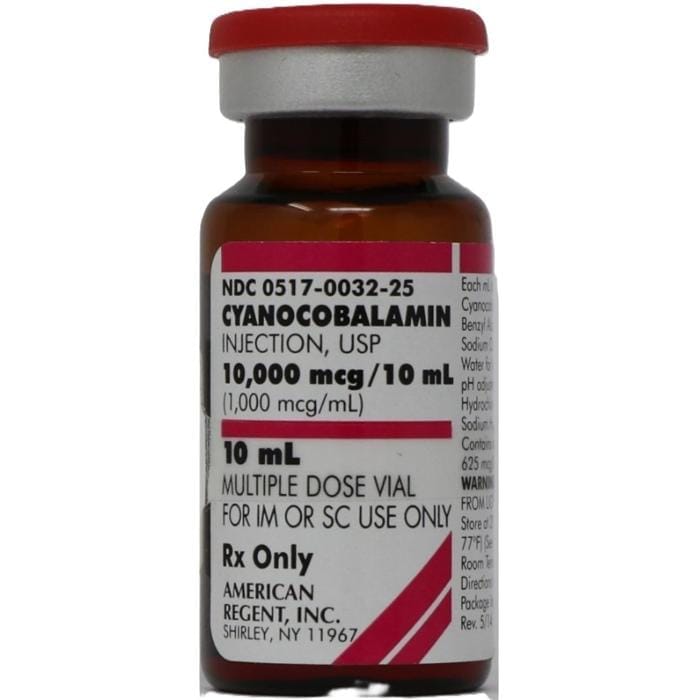
Some listings may relate to prescription-required items used in care plans. Examples can include vitamin B12 injections information or folic acid supplementation guidance. Availability and suitability vary by medical history and state rules. The goal is to make it easier to compare what each listing covers.
Visits with Medispress clinicians are by video in a secure, HIPAA-compliant app.
What is typically included on this browse page:
- Plain-language explanations of macrocytic anemia and common causes
- Context on B12 and folate-related anemia, including pernicious anemia
- Notes on megaloblastic anemia vs nonmegaloblastic patterns
- Administrative guidance on prescription requirements and verification
- Links to trusted third-party education for deeper reading
How to Choose
Macrocytosis has several causes, and the labels can sound similar. Megaloblastic Anemia usually points toward B12 or folate-related DNA synthesis impairment anemia. Other macrocytic patterns can come from alcohol use, liver disease, hypothyroidism, or certain medicines.
When comparing resources or prescription-related listings, focus on fit and clarity. Look for plain explanations, safety notes, and what information is needed. Keep the goal simple: understand what a clinician may evaluate next.
Clarify the likely cause
- Check whether the content distinguishes B12 deficiency from folate deficiency
- Look for mention of pernicious anemia and intrinsic factor antibodies
- Confirm it explains high MCV anemia and what that term means
- Prefer resources that mention a blood smear and key patterns
- Look for balanced notes on methylmalonic acid and homocysteine
- Notice whether it covers diet-related risks, including vegan diet B12 deficiency risk
- Look for surgery-related risks, including gastric bypass B12 deficiency
- Check for pregnancy folate deficiency context, without giving dosing advice
Spot common non-megaloblastic contributors
- See whether it mentions anemia in alcoholism and liver disease as a look-alike
- Check for hypothyroidism macrocytic anemia as part of the differential
- Look for medications causing macrocytosis, such as methotrexate or hydroxyurea
- Confirm it avoids overpromising and encourages clinician review of labs
- Prefer content that notes older tests, like a Schilling test overview, as historical
Safety and Use Notes
Anemia can range from mild to serious, depending on the cause. B12 and folate problems can also overlap with other conditions. In Megaloblastic Anemia, folate can improve blood counts while B12-related nerve issues persist. That is one reason clinicians often confirm the cause before changing supplements.
Why it matters: Neurologic symptoms B12 deficiency can be subtle at first.
Licensed U.S. clinicians decide what is clinically appropriate after review.
General points that often come up in safety discussions:
- New numbness, tingling, or trouble walking needs prompt clinical attention
- Severe weakness, fainting, chest pain, or confusion should be evaluated urgently
- Folate and B12 results can be affected by recent supplements
- Some medicines interfere with folate pathways and may change lab patterns
- Pregnancy changes folate needs, so timing and context matter
- Long-term stomach acid suppression can contribute to low B12 in some people
This category page supports education and navigation, not self-treatment. A clinician may review diet, surgeries, medicines, and lab trends together. That approach helps avoid missing a nonmegaloblastic cause of macrocytosis.
Access and Prescription Requirements
Some therapies used in anemia care require a prescription. If Megaloblastic Anemia is being evaluated, clinicians often request recent lab results. Examples include a complete blood count, MCV, and sometimes follow-up markers. Needs vary by history, symptoms, and prior treatment.
When appropriate, clinicians can route prescriptions to partner pharmacies under state rules.
Quick tip: Keep a current medication list ready before scheduling.
Administrative points that can affect access:
- Prescription verification may be required before dispensing prescription-only items
- Licensed pharmacies follow state and federal requirements for dispensing
- Some care pathways depend on documented lab findings or prior diagnoses
- Allergies, current medicines, and pregnancy status can change what is appropriate
- Cash-pay options are sometimes available, including without insurance
Telehealth can help with history review and next-step planning. It may also help coordinate follow-up when local labs are involved. A clinician can explain what results mean and what questions matter next.
Related Resources
For deeper reading on Megaloblastic Anemia, it helps to use reliable references. Plain-language background appears in the MedlinePlus Anemia overview. Nutrient details are summarized in the NIH Vitamin B12 fact sheet. Folate basics are covered in the NIH Folate fact sheet.
When reading, focus on practical definitions and red flags. Helpful topics include macrocytic anemia vs microcytic patterns, common symptoms, and typical workup steps. It also helps to learn which conditions can mimic megaloblastic patterns. That includes liver disease, hypothyroidism, and medication effects.
This content is for informational purposes only and is not a substitute for professional medical advice.

Find suitable medication for Megaloblastic Anemia

Book a telehealth visit to discuss Megaloblastic Anemia
Find a doctor
Speciality
State

Video Visit
$69

Video Visit
$69

Video Visit
$69

Video Visit
$69

Video Visit
$69

Video Visit
$69

Speciality: Dermatology, Family Medicine, Men's Health, Urgent Care, Women's health
Speaks: English, Spanish, French, Arabic, Portuguese
Video Visit
$69

Video Visit
$69

Video Visit
$69

Video Visit
$69

Video Visit
$69

Video Visit
$69
Frequently Asked Questions
What is megaloblastic anemia?
Megaloblastic anemia is a type of macrocytic anemia. Red blood cells grow larger than usual. This often happens when DNA synthesis slows in the bone marrow. Vitamin B12 deficiency and folate deficiency are common causes. A blood smear may show large cells and hypersegmented neutrophils. Symptoms can include fatigue and shortness of breath. Some people also have numbness or balance changes with low B12.
What causes megaloblastic anemia?
Common causes include vitamin B12 deficiency and folate deficiency. Pernicious anemia can cause B12 deficiency due to absorption problems. Diet patterns can matter, including strict vegan diets without reliable B12 sources. Digestive conditions and surgeries, like gastric bypass, can also reduce absorption. Some medications can affect folate pathways or cell turnover. Clinicians also consider look-alikes, like liver disease, alcohol use, and hypothyroidism.
How is megaloblastic anemia diagnosed?
Clinicians often start with a complete blood count showing a high MCV. A peripheral smear may support the pattern. Blood tests can include vitamin B12 and folate levels. Methylmalonic acid and homocysteine may help clarify borderline results. If pernicious anemia is a concern, intrinsic factor antibody testing may be considered. The workup also often checks other causes of macrocytosis, such as thyroid or liver conditions, based on history.
Do vitamin B12 injections or folic acid require a prescription?
Prescription rules depend on the product form and state requirements. Many injectable vitamin B12 options are prescription-only. Some folic acid products also require a prescription, while others may be available over the counter. Pharmacies typically verify prescriptions before dispensing prescription-only items. A clinician decides whether a prescription is appropriate based on symptoms, history, and lab results. This helps avoid masking one deficiency while another remains untreated.
What information helps during a telehealth visit for anemia concerns?
Having a clear timeline of symptoms helps. It also helps to list current medications and supplements. Diet patterns matter, especially low animal-product intake. Past stomach or bowel surgery history can be important. Prior lab results, like CBC values and B12 or folate levels, add useful context. Notes about heavy alcohol use, thyroid disease, or liver disease can also help. A clinician uses this information to decide what evaluation steps make sense.