


Malnutrition
Care Options and Resources for Malnutrition
Malnutrition can mean too little energy, protein, or key vitamins and minerals. It can also reflect poor absorption, higher needs, or limited intake. This category page brings together practical resources and health items that may relate to nutrition support. It is written for patients and caregivers who want clear next steps. Use it to compare options, learn terms, and plan what to ask.
People may see different patterns, like undernutrition, protein-energy malnutrition, or micronutrient deficiencies. Children can face stunting and wasting (low height or weight for age). Older adults may struggle with appetite, chewing, or chronic illness impacts. Hospital stays can add risk through inflammation, surgery recovery, or limited intake. Community settings can add barriers like food access or social support.
Why it matters: Early nutrition gaps can affect healing, strength, and daily function.
Malnutrition: What You’ll Find
Browse a mix of educational overviews and supportive items that relate to nutrition rehabilitation. Some listings focus on general nutrition support, like oral intake support and micronutrient replacement. Others may relate to special situations, like poor appetite, swallowing trouble, or limited mobility. The goal is to make side-by-side comparison easier, without guessing.
Look for plain-language explanations next to clinical terms. For example, “kwashiorkor” links to severe protein deficiency, and “marasmus” describes severe wasting. You may also see references to screening and assessment language used in clinics. These include concepts like unintentional weight change, reduced intake, and functional decline.
Visits can happen by video with licensed U.S. clinicians in our HIPAA-compliant app.
- Common terms, definitions, and risk factors
- Context for child, adult, and older-adult nutrition concerns
- General notes on vitamins, minerals, and protein support
- Administrative details on prescriptions and pharmacy coordination
- Links to trusted public health references
How to Choose
Start by matching what you are browsing to the main concern. A caregiver may need planning tools and tracking tips. A patient may need help understanding symptoms and what “moderate” versus “severe” can mean. Malnutrition can look different in chronic disease than in short-term illness.
Match the resource to the setting
- Age group: pediatric, adult, or older adult needs
- Setting: hospital recovery versus community living needs
- Eating limits: nausea, dental issues, or swallowing difficulty
- Absorption issues: GI disease, surgery history, or diarrhea
- Diet limits: allergies, religious patterns, or texture restrictions
- Functional goals: strength, mobility, and ability to prepare meals
- Support needs: caregiver availability and meal assistance
Bring useful details to a clinician
- Recent weight and appetite changes, if known
- Typical daily intake, including fluids
- Current medicines, supplements, and relevant diagnoses
- Any vomiting, persistent diarrhea, or trouble swallowing
- Concerns about vitamin deficiency or mineral deficiency symptoms
Quick tip: Keep a one-week food and symptom log for reference.
Safety and Use Notes
Safety matters because Malnutrition can increase sensitivity to rapid diet changes. In severe cases, clinicians may watch for refeeding syndrome (dangerous shifts in fluids and electrolytes). That risk is higher when intake has been very low for days. People with alcohol use disorder, eating disorders, or prolonged illness may also face higher risk. A clinician can help decide what monitoring is needed.
Supplements can still cause side effects or interactions. Iron may upset the stomach and change stool color. Fat-soluble vitamins can build up when taken in excess. Some minerals can affect thyroid medicines or certain antibiotics. Always share a full list of supplements and medicines during any clinical review.
- Ask about interaction risks if multiple supplements are used
- Check for duplications across multivitamins and single nutrients
- Use extra caution with children and frail older adults
- Seek urgent care for confusion, fainting, severe weakness, or dehydration
Clinicians review details and decide next steps based on clinical judgment.
Access and Prescription Requirements
Some nutrition-related items are available over the counter. Others may require a prescription, especially when they support complex needs. Medispress can support cash-pay access, often without insurance, when that option is available. If a telehealth visit is offered, it typically uses a single, upfront fee. Clinicians decide what is appropriate after reviewing the history.
When Malnutrition concerns involve medical conditions, a provider may recommend coordinated care. That can include dietitian support, lab review ordered elsewhere, or follow-up planning. If a prescription is clinically appropriate, the platform may help route it through a pharmacy partner. Availability can vary based on state rules and product type.
- Prescription items require a valid clinician authorization
- Pharmacies may verify identity and prescription details before dispensing
- Expect questions about allergies, current medicines, and medical history
- Keep caregiver consent and contact details ready when relevant
When appropriate, providers can route prescriptions through partner pharmacies, following state rules.
Related Resources
For broader context, public health sources can help explain definitions and prevention. A neutral overview from the World Health Organization malnutrition topic page summarizes common forms and drivers. A plain-language review from MedlinePlus on malnutrition covers symptoms and general management concepts.
This category page also supports day-to-day browsing for Malnutrition management questions. Use it to compare terminology, understand common complications, and organize discussions with a clinician. Caregivers can also use it to plan what to track and document over time.
This content is for informational purposes only and is not a substitute for professional medical advice.

Find suitable medication for Malnutrition

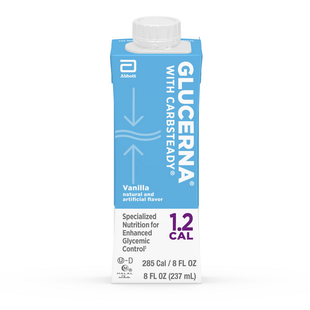
Book a telehealth visit to discuss Malnutrition
Find a doctor
Speciality
State

Video Visit
$69

Video Visit
$69

Video Visit
$69

Video Visit
$69

Video Visit
$69

Video Visit
$69

Speciality: Dermatology, Family Medicine, Men's Health, Urgent Care, Women's health
Speaks: English, Spanish, French, Arabic, Portuguese
Video Visit
$69

Video Visit
$69

Video Visit
$69

Video Visit
$69

Video Visit
$69

Video Visit
$69
Frequently Asked Questions
What does this Malnutrition category page include?
This category page gathers practical information and browsing tools related to nutrition concerns. It may include educational context on symptoms, causes, risk factors, and complications. It may also include supportive health items that relate to nutrition intake or nutrient replacement, depending on availability. The goal is to help patients and caregivers compare options and understand common terms. It does not replace individualized care or a full clinical evaluation.
How can I compare items and resources on this page?
Compare options by focusing on the need and the setting. Pediatric needs can differ from older-adult needs. Hospital recovery needs can differ from community living needs. Look at what a resource is designed to address, such as reduced intake, swallowing difficulty, or suspected micronutrient gaps. If a telehealth visit option appears, review what information is typically requested. Use the page to organize questions for a licensed clinician.
What information is helpful to have ready for a telehealth visit?
Having a few details ready can make a visit more efficient. Collect a current medication list, including supplements and any allergies. Note recent weight change, appetite changes, and typical daily intake, if known. Write down key symptoms such as fatigue, dizziness, vomiting, or diarrhea. For children or dependent adults, have caregiver contact details and consent context available. Clinicians decide what follow-up is needed based on the full history.
Do nutrition supplements or formulas require a prescription?
Many vitamins and oral nutrition supplements are sold over the counter. Some nutrition products, especially those used for complex medical needs, can require a prescription or specific pharmacy handling. Requirements can vary by product type and state rules. If a prescription is needed, a licensed clinician must authorize it. Pharmacies may also verify identity and prescription details before dispensing. This page helps explain the administrative steps at a high level.
When should someone seek urgent care for possible malnutrition?
Urgent care is important when symptoms suggest severe illness or dehydration. Seek urgent evaluation for confusion, fainting, severe weakness, chest pain, trouble breathing, or signs of severe dehydration. In infants and children, urgent signs can include lethargy, poor feeding, or fewer wet diapers. Also seek help for persistent vomiting, blood in stool, or inability to keep fluids down. A clinician can assess risk and guide next steps.