


Malaria
Care Options for Malaria
Malaria is a mosquito-borne infection caused by Plasmodium (a parasite). It spreads through bites from the Anopheles mosquito (a disease-carrying mosquito). Risk is higher in certain tropical and subtropical regions. Symptoms can include fever, chills, headache, and tiredness. Some infections become severe and need urgent medical care. This category page gathers medication information and practical context for patients and caregivers.
Why it matters: Severe cases can affect the brain and other organs.
Malaria: What You’ll Find
This browse page brings together resources often referenced in malaria care. It is built for comparing medication information pages side by side. Each medication page focuses on what the drug is and common safety considerations. It also explains how prescriptions are typically handled when required.
Some visitors arrive after travel, while others are supporting family abroad. This page can help clarify terms like prophylaxis (prevention medicine) versus treatment. It can also help distinguish uncomplicated illness from severe malaria and cerebral malaria (brain involvement).
- Medication reference pages, including Quinine, Doxycycline, and Hydroxychloroquine
- Plain-language explanations of transmission, risk areas, and prevention concepts
- Practical notes about prescriptions, pharmacy coordination, and documentation
- Reminders on when in-person or emergency care may be more appropriate
Visits are completed by licensed U.S. clinicians through secure video in our app.
How to Choose
Start by matching the resource to the current need. Some people want background on malaria transmission and incubation periods. Others want to review a medication name that was recommended elsewhere. Comparing pages can also help when sorting out similar symptoms, such as malaria vs dengue.
Compare medication pages with a purpose
When browsing Malaria resources, look for details that affect safety and follow-up. These details matter even when two options seem similar. They also help caregivers coordinate across time zones and health systems.
- Whether the medicine is discussed for prevention or for active infection
- Common interactions with other prescriptions, supplements, or alcohol use
- Special considerations for malaria in pregnancy or pediatric malaria
- How kidney or liver disease may change clinical choices
- What side effects might affect daily function, including driving or work
- What to clarify if a brand and generic differ, like Plaquenil and related names
Bring the right context to a clinical review
A clinician will usually consider travel route, timing, and symptom pattern. They may also review prior malaria episodes and any recent medications. If symptoms suggest severe illness, clinicians may recommend urgent in-person evaluation.
Clinicians decide what care is appropriate after reviewing symptoms and history.
Safety and Use Notes
Malaria medications can vary in side effects, interactions, and monitoring needs. Some may not be appropriate for certain heart conditions or eye problems. Others have restrictions in pregnancy or early childhood. This is why the same drug is not a fit for everyone.
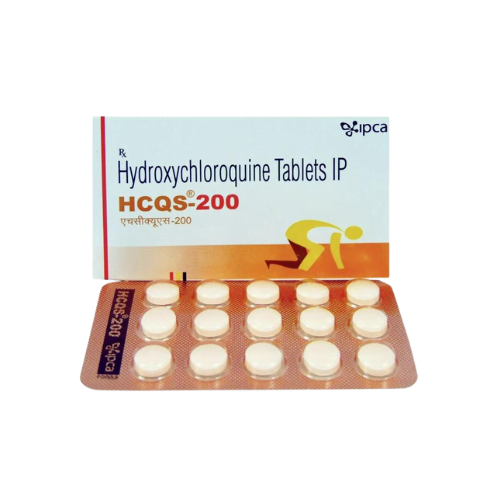
Medication pages in this collection, such as HCQS and Hostacycline, summarize key precautions at a high level. The goal is to support informed conversations, not replace clinical judgment.
- Do not share leftover prescriptions with others, even with similar symptoms
- Report severe side effects promptly to a clinician or urgent care team
- Ask about interactions, especially with cardiac, seizure, or psychiatric medicines
- Confirm whether sun sensitivity or stomach upset is a common issue
- Review pregnancy and breastfeeding considerations before any prescription decision
When urgent care may be needed
Emergency care is appropriate for confusion, fainting, seizures, severe weakness, or trouble breathing. Severe malaria can progress quickly and may require hospital treatment. A telehealth visit can still help triage next steps when safe.
Access and Prescription Requirements
Some medications in this category require a prescription, while others may not. When a prescription is required, pharmacies verify it before licensed dispensing. Requirements can also differ by state and by medication type. This page aims to set expectations for the administrative steps involved.
Malaria care can involve time-sensitive decisions, especially after recent travel. If a telehealth review is appropriate, clinicians may discuss options and next steps. When clinically appropriate, prescriptions can be coordinated with partner pharmacies, following state regulations.
- Identity and medical history details may be needed for prescription processing
- Medication availability can vary by pharmacy and local regulations
- Cash-pay access is available in many cases, often without insurance
- Some conditions or red-flag symptoms may require in-person evaluation
- For medication background in this collection, see Abamune L for a structured example page
Quick tip: Keep travel dates and destination list ready for scheduling notes.
Related Resources
For broader public health context, it helps to use established guidance alongside medication references. Malaria guidelines can change as resistance patterns shift. These sources also explain risk areas and prevention approaches for travelers and families.
- See CDC guidance on malaria prevention and travel: CDC Malaria
- For global updates and disease background, review: WHO Malaria
- If comparing tetracycline-related pages, also review Doxycyclin FC for naming clarity
This content is for informational purposes only and is not a substitute for professional medical advice.

Find suitable medication for Malaria


Book a telehealth visit to discuss Malaria
Find a doctor
Speciality
State

Video Visit
$69

Video Visit
$69

Video Visit
$69

Video Visit
$69

Video Visit
$69

Video Visit
$69

Speciality: Dermatology, Family Medicine, Men's Health, Urgent Care, Women's health
Speaks: English, Spanish, French, Arabic, Portuguese
Video Visit
$69

Video Visit
$69

Video Visit
$69

Video Visit
$69

Video Visit
$69

Video Visit
$69
Frequently Asked Questions
What can be browsed in this Malaria collection?
This category page groups medication information and practical context that often comes up in malaria care. It can include drug overview pages, safety summaries, and access notes about prescriptions. Each medication page is meant to support comparison, such as side effects, interactions, and special considerations in pregnancy or childhood. It is not a substitute for clinical evaluation. If symptoms are severe or worsening, urgent in-person care may be more appropriate.
Can telehealth be used for malaria-related questions?
Telehealth can be helpful for reviewing symptoms, travel history, and medication questions. A licensed clinician may also help sort out when urgent in-person evaluation is needed. Some situations require immediate emergency care, especially when severe symptoms are present. If a prescription is clinically appropriate, a provider may coordinate options through partner pharmacies, depending on state rules. Availability and requirements can vary by medication and location.
Do antimalarial drugs always require a prescription?
Many drugs discussed in malaria care are prescription-only, but requirements depend on the specific medication. When a prescription is required, pharmacies typically verify it before dispensing. Some platforms support cash-pay access, often without insurance, for eligible services and medications. Rules can vary by state and by pharmacy. This page focuses on helping patients and caregivers understand the administrative steps, not on promising access or outcomes.
What information helps a clinician review malaria risk and options?
Clinicians often look at travel locations, dates, and any layovers or rural stays. They also consider symptom timing, severity, and any prior episodes of malaria. Current medications, allergies, and medical conditions can change what is considered safe. Pregnancy status and a child’s age and weight can also matter. Having this context available helps the visit stay focused and supports safer prescribing decisions when appropriate.
When is malaria considered an emergency?
Emergency care is appropriate when someone has confusion, fainting, seizures, trouble breathing, or severe weakness. Persistent vomiting, inability to keep fluids down, or signs of dehydration can also signal higher risk. Severe malaria can involve organ complications, including cerebral malaria affecting the brain. Telehealth may still help with triage, but it cannot replace hospital-level care when severe symptoms are present. Local emergency services should be used for immediate danger signs.