


Lyme Disease
Care Options for Lyme Disease
This collection brings Lyme Disease information into one browseable place. It is built for patients and caregivers who want clear basics. It covers common signs, care pathways, and safety context. Lyme is a tick-borne illness most often linked to Borrelia burgdorferi. People may notice an erythema migrans rash (expanding red rash). Others may have fever, fatigue, headaches, or new joint pain. Some cases involve the nerves, heart, or joints later on.
Use this category page to compare what resources mention and what details matter. It can also help organize questions for a clinician visit. Content here stays educational and avoids self-diagnosis.
Medispress offers set-fee video visits with licensed U.S. clinicians.
Lyme Disease: What You’ll Find
This page groups practical resources that relate to suspected or confirmed infection. It helps readers understand common terms, typical timelines, and follow-up themes. It also highlights areas where symptoms overlap with other conditions. That can reduce confusion when reading general online advice.
Many people search for one “right answer” and miss the nuance. This collection instead supports comparison. It frames topics like early versus late presentations, possible co-infections, and recovery expectations. It also explains why some people report ongoing symptoms after treatment. Clinicians may refer to that pattern as post-treatment Lyme disease syndrome (symptoms that persist after standard therapy).
Quick tip: Keep dated photos of rashes, bites, and symptom notes.
- Plain-language explanations of key clinical terms and stages
- What erythema migrans can look like, and common look-alikes
- Topics that often come up in treatment planning conversations
- Context on neurologic Lyme disease (nervous system involvement)
- Notes on Lyme arthritis (joint inflammation) and function impacts
- Prevention themes, including risk areas and bite documentation
How to Choose
Not every resource fits every situation. Start by matching what is being described to the current concern. For Lyme Disease, early details often change next steps. This includes the timing after a bite and the pattern of symptoms.
Match resources to the situation
- Time course: same-week symptoms versus weeks or months later
- Skin findings: expanding rash versus small irritation from a bite
- Body systems: joint pain, facial weakness, numbness, or palpitations
- Exposure context: outdoor activities in higher-risk areas
- Co-infections: babesiosis and Lyme, or anaplasmosis and Lyme
- Life stage: pediatric Lyme disease, or Lyme disease during pregnancy
Prepare for a clinician conversation
Good documentation makes visits more efficient. It also reduces back-and-forth about timelines. When browsing clinician services, check the scope and visit format. The Infectious Diseases collection can help with fit. Some listings may also appear under Infectious Diseases ID for focused expertise.
For broader reading across similar infections, browse Infectious Disease topics. Resources there can help with terminology and prevention basics.
Safety and Use Notes
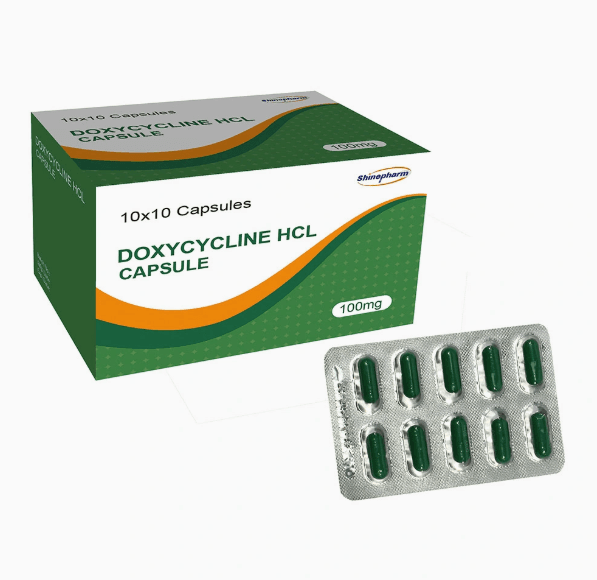
Information about antibiotics often appears in this category. Common options discussed in clinical care include doxycycline for Lyme disease and amoxicillin for Lyme disease. A clinician decides what fits the situation, if anything. Safety notes help frame Lyme Disease conversations with a clinician.
Care happens in a secure, HIPAA-aligned app built for telehealth.
Antibiotics can cause side effects and interactions. Some increase sun sensitivity or stomach upset. Others may not fit certain ages or pregnancy status. Allergy history also matters, including reactions to penicillins. People with complex health histories may need extra review.
Why it matters: Some heart and nerve symptoms need urgent evaluation.
- Ask about medication interactions with current prescriptions and supplements
- Discuss pregnancy status, breastfeeding, and pediatric age ranges early
- Clarify warning signs for Lyme carditis (heart rhythm involvement)
- Review neurologic symptoms, including facial droop or severe headache
- Use cautious language around “chronic Lyme” claims found online
For baseline public health guidance, see CDC Lyme basics. For additional patient-friendly context, see MedlinePlus Lyme overview.
Access and Prescription Requirements
This section covers practical access details that often affect planning. Antibiotics generally require a prescription and a clinical evaluation. This page also explains access basics for Lyme Disease prescriptions. It focuses on verification steps and pharmacy coordination.
When appropriate, clinicians can route prescriptions to partner pharmacies, following state rules.
Some people use cash-pay options, often without insurance. Even then, prescription rules still apply. Partner pharmacies may require identity checks and prescription validation. Availability can vary based on state regulations and medication type.
- Prescription status: Rx versus over-the-counter categories
- Refill expectations: short courses versus longer follow-up plans
- Medical history review: allergies, kidney issues, and other conditions
- Documentation: visit notes, prior records, and symptom timelines
When other conditions affect medication choices, related collections can help. Browse Chronic Disease Management for long-term condition planning. If kidney history is relevant, see Chronic Kidney Disease resources. For reflux or medication-related stomach concerns, review Gastroesophageal Reflux Disease context.
Related Resources
Symptoms can overlap across infections, autoimmune issues, and common chronic conditions. This is one reason careful assessment matters. If Lyme Disease concerns include chest symptoms or palpitations, related heart context can help. Browse Cardiovascular Disease for broader terms and care themes. For additional background on cardiac history, see Heart Disease.
Use these links to compare terminology and organize questions for visits. They can also help caregivers coordinate information across specialties.
This content is for informational purposes only and is not a substitute for professional medical advice.

Find suitable medication for Lyme Disease
Book a telehealth visit to discuss Lyme Disease
Find a doctor
Speciality
State

Video Visit
$69

Video Visit
$69

Video Visit
$69

Video Visit
$69

Video Visit
$69

Video Visit
$69

Speciality: Dermatology, Family Medicine, Men's Health, Urgent Care, Women's health
Speaks: English, Spanish, French, Arabic, Portuguese
Video Visit
$69

Video Visit
$69

Video Visit
$69

Video Visit
$69

Video Visit
$69

Video Visit
$69
Frequently Asked Questions
What is included on this Lyme Disease category page?
This category page brings together resources related to Lyme Disease care and education. It may include condition background, safety notes, and navigation to related specialties. It is meant to support browsing and preparation, not self-diagnosis. Topics often include common symptom patterns, the erythema migrans rash, possible later complications, and prevention themes. It may also mention common medication classes that clinicians use in care discussions.
How do I know if a product requires a prescription?
Prescription-only items are typically labeled as Rx and require a clinician authorization. Over-the-counter items do not require a prescription, but they still have safety limits. When browsing, check the product label and the checkout requirements. If a prescription is needed, a licensed pharmacy dispenses it after verification. If anything seems unclear, treat the item as prescription-required until confirmed.
What information helps a clinician evaluate a possible tick-borne illness?
Clinicians often need a clear timeline and exposure details. Helpful items include the date and location of outdoor exposure, and whether a tick was seen. Photos of rashes can help document changes over time. A symptom list with start dates matters, including fever, headache, joint swelling, numbness, or palpitations. Medication lists and allergy history also matter, especially for antibiotic planning and interaction screening.
What is post-treatment Lyme disease syndrome?
Post-treatment Lyme disease syndrome describes symptoms that continue after standard treatment. People may report fatigue, pain, or cognitive complaints that linger. The term does not mean an active infection is always present. Many online sources use the phrase “chronic Lyme disease” in different ways, which can add confusion. A clinician can help review possible causes, rule out other conditions, and plan supportive follow-up.
When should someone seek urgent care for possible complications?
Urgent evaluation is appropriate when severe or rapidly worsening symptoms appear. Examples include chest pain, fainting, new shortness of breath, or a racing heartbeat. New neurologic symptoms can also be urgent, such as facial droop, weakness, or confusion. Severe headache with neck stiffness deserves prompt attention as well. These symptoms can have many causes, so timely assessment helps guide safe next steps.