


Irritable Bowel Syndrome (IBS)
Care Options for Irritable Bowel Syndrome (IBS)
Living with Irritable Bowel Syndrome (IBS) can feel unpredictable and exhausting. Symptoms often shift day to day. This category page helps patients and caregivers browse practical information. It also helps with planning for clinical visits and follow-ups.
Medispress offers flat-fee video visits with licensed U.S. clinicians. This page also links to related condition collections and reading. It covers common symptom patterns, typical workups, and treatment types. It also explains how prescriptions and verification usually work.
Irritable Bowel Syndrome (IBS) What You’ll Find
This collection brings together the most common ways clinicians describe and manage IBS. It focuses on clear definitions and comparisons. It also highlights the questions that often shape a care plan. The goal is easier browsing, not self-diagnosis.
You will see terms like IBS-C constipation, IBS-D diarrhea, and IBS-M mixed type. Those labels describe the main bowel pattern. They can guide discussions about diet changes, symptom tracking, and medication classes. Some people also compare suspected triggers, like certain foods, stress, or travel routines.
Quick tip: Keep a simple symptom and food log for two weeks.
What’s typically included on this browse page:
- Symptom themes, including pain, bloating, and bowel changes
- Common triggers and flare patterns people report
- Diet approaches, including low FODMAP diet basics
- Medication and non-medication categories clinicians may discuss
- Navigation to related condition collections, like diarrhea-predominant patterns
If diarrhea is the main pattern, you can also browse IBS With Diarrhea. That page can be helpful when comparing symptom descriptions. It can also help with the right vocabulary for a visit.
For a plain-language IBS overview, see NIDDK’s irritable bowel syndrome page.
How to Choose
IBS can look similar to other gastrointestinal problems. That includes inflammatory bowel disease (IBD) and infections. Sorting this out is part of IBS diagnosis. Clinicians often use symptom history and rule-out testing.
When browsing Irritable Bowel Syndrome (IBS) resources, it helps to match information to a symptom pattern. It also helps to watch for “red flag” symptoms. Those can signal another condition that needs prompt evaluation.
Match resources to your symptom pattern
- Identify the main pattern: constipation, diarrhea, or mixed days
- Note timing: after meals, overnight, or during stressful weeks
- Track pain location and relief after bowel movements
- List likely triggers, including high-FODMAP foods or caffeine
- Consider whether symptoms align with Rome IV criteria for IBS
Plan for a more useful clinician conversation
- Bring a short timeline of symptoms and past evaluations
- List over-the-counter products already tried, including fiber for IBS
- Share any supplement use, like probiotics for IBS or peppermint oil for IBS
- Ask what diagnoses are being ruled out, including IBS vs IBD
- Discuss whether SIBO and IBS are being considered in the differential
People often wonder if they need a gastroenterologist for IBS. Referral decisions vary by symptoms and history. A clinician may suggest specialty input for complex cases. They may also suggest it for persistent symptoms or unclear diagnosis.
Safety and Use Notes
IBS treatment options can include diet changes, stress support, and medications. Each has tradeoffs and side effects. Some options may interact with other medicines. That is why a clinician should guide use.
Why it matters: New or severe symptoms can mean something other than IBS.
Medispress visits take place in a secure, HIPAA-compliant app. Clinicians decide what is appropriate for each person. They may recommend monitoring, testing, or an in-person exam. That can depend on symptoms and medical history.
Safety topics that often come up in Irritable Bowel Syndrome (IBS) care discussions:
- Red flags: blood in stool, fever, unintentional weight loss, or nighttime symptoms
- Medication cautions, including sedation or constipation risks with some agents
- Antispasmodics for IBS (cramp-reducers) and possible dry mouth or dizziness
- Diet changes that may affect nutrition if done too strictly
- Stress and IBS patterns, including sleep disruption and anxiety overlap
For clinician-oriented background, see American College of Gastroenterology IBS information.
Access and Prescription Requirements
Some therapies are available over the counter. Others require a prescription. Prescription rules depend on the medication and state regulations. Licensed dispensing and prescription verification are used when required.
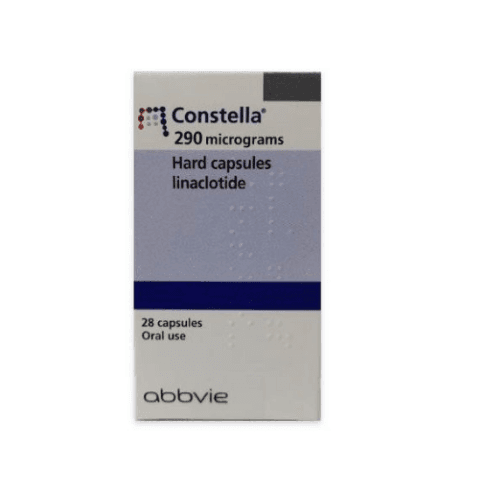
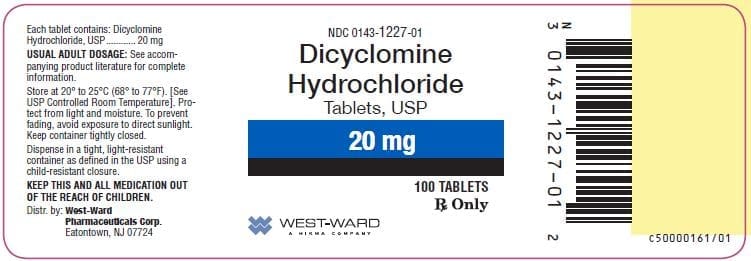
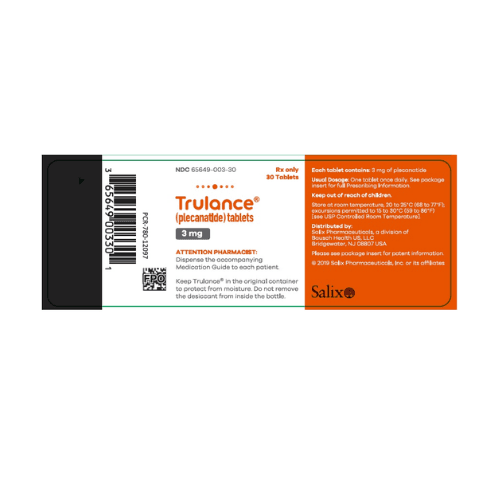
For Irritable Bowel Syndrome (IBS), clinicians may discuss several categories. These can include antispasmodics, bowel-pattern agents, or other symptom-focused prescriptions. If a prescription is clinically appropriate, providers may coordinate options through partner pharmacies. Some people prefer cash-pay options, often without insurance.
- Prescription medications require an evaluation by a licensed clinician
- Pharmacies may require identity and address verification for dispensing
- Refills and renewals depend on clinical judgment and applicable rules
- Some medications have restrictions or monitoring needs
- Shipping, pickup, and availability can vary by pharmacy and state
Related Resources
IBS management often overlaps with stress support and daily routines. Some people also live with mood symptoms alongside gut symptoms. For broader reading, browse Early Signs Depression, Bipolar Treatment Safety, and Telehealth And PTSD. When reviewing Irritable Bowel Syndrome (IBS) information, it helps to focus on patterns, questions, and next steps. Keep notes organized so future visits feel less overwhelming.
This content is for informational purposes only and is not a substitute for professional medical advice.

Find suitable medication for Irritable Bowel Syndrome (IBS)



Book a telehealth visit to discuss Irritable Bowel Syndrome (IBS)
Find a doctor
Speciality
State

Video Visit
$69

Video Visit
$69

Video Visit
$69

Video Visit
$69

Video Visit
$69

Video Visit
$69

Speciality: Dermatology, Family Medicine, Men's Health, Urgent Care, Women's health
Speaks: English, Spanish, French, Arabic, Portuguese
Video Visit
$69

Video Visit
$69

Video Visit
$69

Video Visit
$69

Video Visit
$69

Video Visit
$69
Frequently Asked Questions
What can I browse on this category page?
This page focuses on browsing and comparison. It covers common IBS symptom patterns, terms like IBS-C and IBS-D, and practical diet concepts. It also explains how clinicians often approach diagnosis, including ruling out other conditions. You may also find links to related condition collections and educational reading. The goal is to make it easier to understand the labels used in care, and to prepare better questions for a clinical visit.
How do clinicians tell IBS apart from other conditions?
IBS diagnosis often starts with a detailed symptom history and pattern review. Clinicians may compare symptoms with Rome IV criteria for IBS. They also look for signs that suggest another condition, like IBD, celiac disease, infection, or medication side effects. Depending on symptoms and risk factors, they may use blood work, stool studies, or other tests to rule out alternatives. New or severe symptoms usually change what evaluation is needed.
Do IBS medications require a prescription?
Some symptom supports are over the counter, such as certain fiber products. Other options can require a prescription, including some bowel-pattern agents and antispasmodics. Whether a prescription is appropriate depends on symptoms, health history, and other medicines. When prescriptions are involved, pharmacies typically follow verification and dispensing rules. Requirements can also vary by state and by the specific medication. A licensed clinician should make the final decision.
What information helps make a telehealth visit more efficient?
Having a short, organized summary helps. A simple timeline of symptoms, bowel pattern changes, and key triggers is useful. Many people also list foods tried, recent travel, and stress or sleep changes. Bring a medication and supplement list, including probiotics, peppermint oil, or laxatives. Telehealth visits are done by video with licensed clinicians in a secure app. Clinicians may still recommend in-person exams or testing when needed.
Can stress or mental health affect IBS symptoms?
Many people notice symptoms change during stressful periods. This is often explained through the gut-brain axis, which links the nervous system and digestion. Stress can affect sleep, appetite, and bowel habits. Mood symptoms can also make symptoms feel harder to manage day to day. This does not mean symptoms are “all in someone’s head.” It means the body systems are connected. A clinician can help discuss safe, appropriate support options.