


Intestinal Worms
Care Options for Intestinal Worms
Intestinal Worms can feel alarming, uncomfortable, and sometimes embarrassing to discuss. Symptoms can vary by parasite and by age group. Some people notice abdominal pain, appetite changes, or fatigue. Others notice itching around the anus, especially at night. Some may see signs of worms in stool, though this is not always present.
This category page pulls together practical resources for patients and caregivers. It focuses on common types of intestinal worms, basic care pathways, and medication overviews. It also highlights related gastrointestinal topics, since symptoms can overlap. Use this page to compare information and prepare questions for a clinician visit.
Risk can change with travel, household exposure, and contact with animals. Children may have different patterns than adults. A clear history helps clinicians sort causes of intestinal worms from other issues. This collection aims to keep the process easier to understand and manage.
Intestinal Worms What You’ll Find
This browse page brings together condition-aligned information and access details. It covers typical intestinal worms symptoms, common causes, and how clinicians think about different parasites. It also summarizes key terms, like intestinal parasite lifecycle and zoonotic parasites from pets. When relevant, it notes common prescription options used for parasitic infection in humans.
Medispress offers video visits with licensed U.S. clinicians through a secure app.
Because types of intestinal worms differ, the details matter. Pinworms in humans often spread within households or childcare settings. Roundworms in humans can relate to soil exposure or contaminated food. Tapeworms in humans may link to undercooked meat or fish. Hookworms in humans and whipworms in humans also have distinct exposure patterns.
Quick tip: Use the page sections to compare symptoms, exposures, and next-step questions.
- Overviews of common parasite types and plain-language explanations
- Medication basics for antiparasitic medications, including brand and generic names
- High-level prevention of intestinal worms and hygiene and sanitation to prevent worms
- Navigation to related gastrointestinal collections and supporting guides
- Administrative notes on prescriptions, verification, and fulfillment pathways
How to Choose
Choosing the right next step starts with narrowing the context. Many people search for intestinal worms treatment, but treatment depends on the parasite. A clinician usually weighs symptoms, exposure history, and household factors. This section helps organize what to compare while browsing.
Match the likely source
- Common symptom patterns, including abdominal pain and worms concerns
- Nighttime anal itching that can suggest pinworms (itchy anus pinworm)
- Household exposure, including school, daycare, or shared bedding
- Travel-related parasites risk after recent trips or new foods
- Pet contact and possible zoonotic parasites from pets
- Food exposure, such as undercooked meat or fish
- Skin-to-soil exposure, such as walking barefoot outdoors
- Timing, including when symptoms started and how they changed
Bring the right details to the visit
For Intestinal Worms concerns, it helps to gather simple facts ahead of time. Notes can include symptom timing, recent travel, and household exposures. Include a current medication list and any relevant allergies. If a pregnancy is possible, that also changes the safety conversation. Clinicians can then discuss options, including whether in-person evaluation makes more sense.
Why it matters: Different parasites may need different medications and follow-up plans.
Safety and Use Notes
Most deworming medicines are prescription-only and not interchangeable. A clinician considers age, weight, pregnancy status, and other conditions. The question of safe deworming during pregnancy is especially individualized. This is also why natural remedies for intestinal worms can be risky when they delay evaluation.
For background on parasite prevention and transmission, see this CDC parasites overview.
Visits take place in a HIPAA-compliant app that protects health information.
- Ask about side effects and what symptoms should prompt follow-up
- Share any liver disease history or significant chronic conditions
- Review possible drug interactions, including supplements and herbals
- Discuss household exposure, since reinfection can happen
- Avoid sharing leftover medications between adults and children
- Clarify what deworming for adults means versus deworming for children
- Use hygiene steps to reduce spread, like handwashing and laundry routines
If pinworms are a concern, this CDC pinworm resource explains common transmission patterns.
When Intestinal Worms symptoms overlap with other GI issues, a clinician may discuss other causes. That can include non-parasitic infections, inflammation, or medication side effects. This page stays high-level and avoids self-diagnosis instructions.
Access and Prescription Requirements
Many antiparasitic medications require a valid prescription. Examples clinicians may consider include albendazole, mebendazole, or praziquantel. Prescription verification and licensed dispensing requirements vary by medication and by state. When clinically appropriate, Medispress clinicians can coordinate prescriptions with partner pharmacies, subject to state rules.
Telehealth can support access when an in-person visit is not required. Some people use cash-pay options, often without insurance, depending on eligibility and location. Clinicians make all clinical decisions and may recommend in-person care when needed. If prescriptions are used, pharmacies follow their own safety checks and dispensing standards.
- Intake questions that focus on symptoms and exposure history
- Clinician review of risks, medication history, and key safety topics
- Discussion of possible next steps, including non-medication measures
- Prescription coordination when appropriate and legally permitted
- Clear documentation for the care plan and follow-up considerations
For related navigation, some people also browse Gastrointestinal Infection for overlapping symptoms. Others compare different GI topics, including Gastrointestinal Stromal Tumor, when symptoms persist or change.
Related Resources
If Intestinal Worms is only one part of a broader GI question, start with the Gastrointestinal Category for general context. For a closely related browse page, see Intestinal Worm Infection. These pages can help compare terminology, symptom patterns, and care pathways.
Food choices and stress can also affect gut symptoms over time. For supportive reading, browse Virtual Nutrition Counseling and Nutrition And Mental Health. If eating patterns are part of the concern, Binge Eating Disorder offers additional background.
This content is for informational purposes only and is not a substitute for professional medical advice.

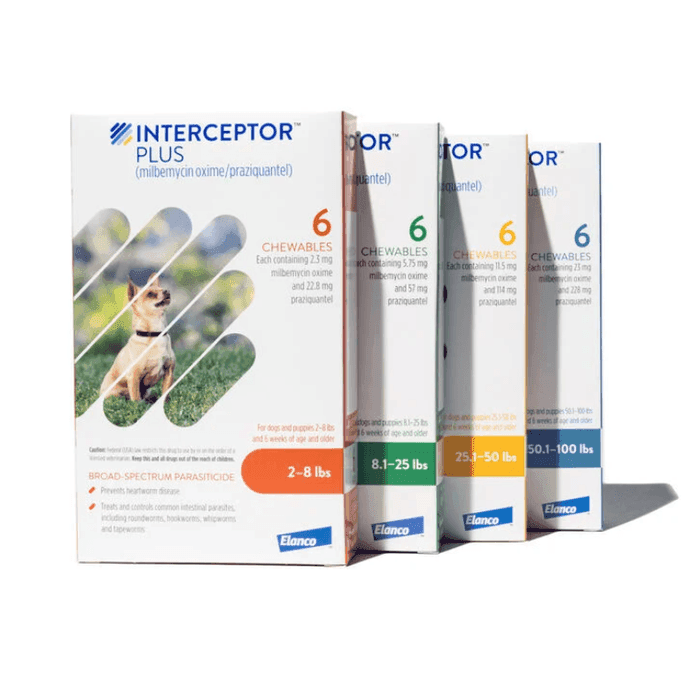
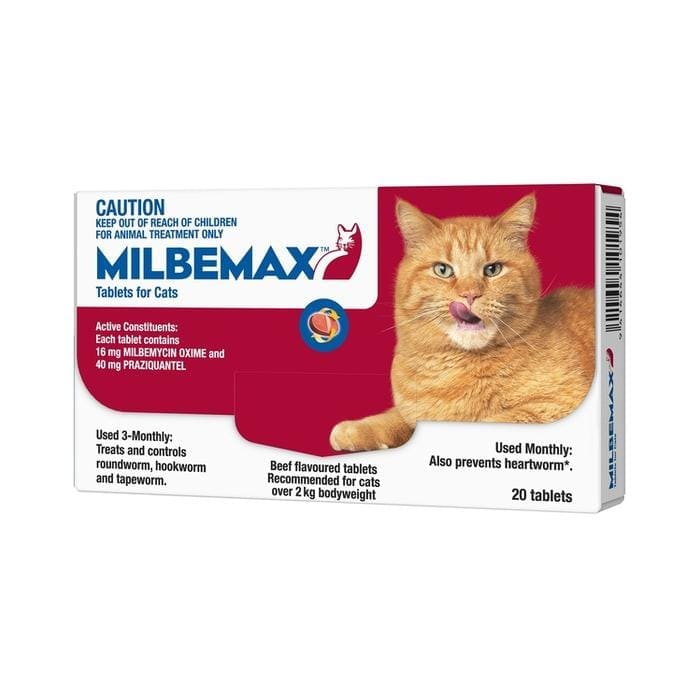
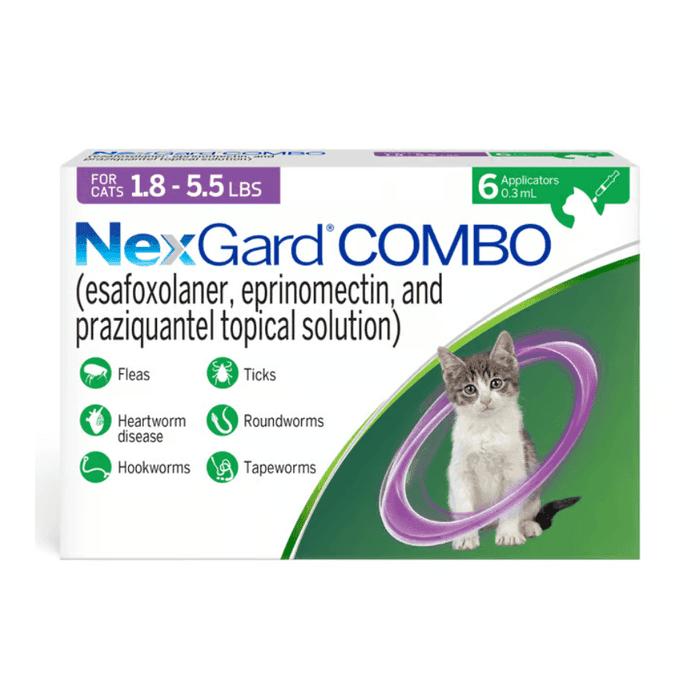
Find suitable medication for Intestinal Worms





Book a telehealth visit to discuss Intestinal Worms
Find a doctor
Speciality
State

Video Visit
$69

Video Visit
$69

Video Visit
$69

Video Visit
$69

Video Visit
$69

Video Visit
$69

Speciality: Dermatology, Family Medicine, Men's Health, Urgent Care, Women's health
Speaks: English, Spanish, French, Arabic, Portuguese
Video Visit
$69

Video Visit
$69

Video Visit
$69

Video Visit
$69

Video Visit
$69

Video Visit
$69
Frequently Asked Questions
What is included on this Intestinal Worms category page?
This page groups resources related to intestinal parasites and common care pathways. It may include condition overviews, medication basics, and administrative access notes. It also links to related gastrointestinal topics when symptoms overlap. Use it to compare terms, like pinworms, roundworms, and tapeworms. It can also help organize questions to discuss with a clinician.
How do I compare antiparasitic medications on Medispress?
Start by comparing what each medication is commonly used to treat. Note any safety flags discussed for pregnancy, children, or chronic conditions. Check whether a prescription is required and how verification works. Bring a complete medication and supplement list to reduce interaction risks. A clinician decides whether a medication is appropriate for the situation.
What information is helpful for a telehealth visit about possible worms?
A short timeline helps, including when symptoms started and how they changed. Exposure details also matter, such as travel, pets, daycare, or food risks. Include any allergies and a current medication list. Mention pregnancy status or the possibility of pregnancy, when relevant. A clinician may also ask about household contacts with similar symptoms.
When should someone seek urgent care for possible intestinal parasites?
Urgent care may be needed for severe or worsening abdominal pain, repeated vomiting, or signs of dehydration. Blood in stool, fainting, or confusion also needs prompt evaluation. High fever with severe illness deserves urgent attention, even if parasites seem possible. Seek immediate help for signs of a serious allergic reaction after any medication. When in doubt, err on the side of prompt in-person evaluation.
Can pets or travel increase the risk of intestinal worms?
Yes, certain parasites spread more often with travel or animal exposure. Risk can rise with contaminated food or water during trips. Some parasites can also spread from pets, especially without routine veterinary care. Prevention focuses on hygiene, safe food handling, and handwashing after animal contact. A clinician can help interpret specific exposures and decide what evaluation makes sense.