


Insect Bites
Care Options for Insect Bites
Insect Bites can look similar, but causes and risks vary.
This category page helps patients and caregivers compare common bite patterns and resources.
Browse guidance on itching, swelling, and pain from mosquitoes, ticks, and stinging insects.
It also covers bite photos, infection warning signs, and questions to raise in visits.
Insect Bites What You’ll Find
Most reactions stay mild, yet some need prompt clinical review.
This collection highlights practical details that help separate bites, stings, and rashes.
Entries often explain what symptoms tend to cluster together, and why.
They may note time course, body location, and whether lesions appear in lines.
Some entries include insect bite pictures to compare shape, size, and color.
Others explain why bites can worsen overnight, or flare after heat exposure.
Short definitions clarify terms like papule (small bump) and wheal (raised swelling).
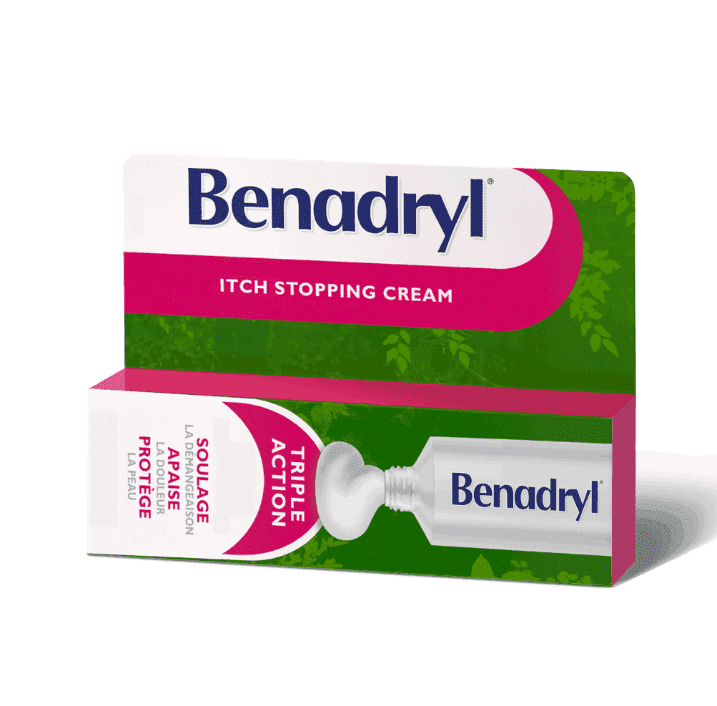
Medication pages, like Benadryl Itch Cream, summarize uses and safety basics.
Use these pages to prepare notes for a clinician, not self-diagnose.
- Common patterns from mosquito bites, tick bites, bed bug bites, and flea bites.
- Sting reactions from bees, wasps, hornets, and fire ants outdoors.
- How to identify insect bites using timing, exposure history, and skin changes.
- First-aid reminders, like cleaning the area and avoiding extra scratching.
- Infection signs, such as spreading redness, warmth, drainage, or fever.
- Allergy red flags, including hives, facial swelling, and trouble breathing.
Medispress visits happen by video with U.S.-licensed clinicians in our app.
How to Choose
When Insect Bites look unusual, small details can guide the next questions.
This page supports comparison, so the right resource appears faster.
Start with the exposure story
Note where the bite happened, including indoors, outdoors, or near pets.
Also note recent travel, yard work, camping, or contact with infested bedding.
- Time from exposure to symptoms, since delayed swelling suggests different triggers.
- Number of spots, since clusters can suggest bed bugs or fleas.
- Pattern on skin, like lines, triangles, or scattered single bumps.
- Amount of pain versus pruritus (itching), since stings can burn sharply.
- Any puncture mark, blister, or scab that changes over several days.
- Swelling around joints, eyelids, or lips, which can affect function.
- New medicines, foods, or skin products, which can mimic bite reactions.
- Fever, body aches, or headache, which may suggest a broader illness.
- Age and weight range, since insect bites on babies need extra caution.
- Recent tick removal details, including attachment time and where the tick came from.
Quick tip: Save a clear photo before scratching changes the skin’s look.
Match resources to the situation
Some people need help with itching, while others need sting allergy planning.
Use the medication pages to learn what a clinician may consider.
Safety and Use Notes
Most Insect Bites cause local redness, yet allergy symptoms can escalate.
Urticaria (hives) and angioedema (deeper swelling) suggest a stronger immune response.
Anaphylaxis (severe allergic reaction) involves more than skin symptoms alone.
For warning-sign definitions, see AAAAI anaphylaxis information from allergy specialists.
Some severe allergies require an epinephrine auto-injector, which is prescription-only.
Review EpiPen Auto Injector for general product and safety context.
- Trouble breathing, throat tightness, or wheezing after a sting or bite.
- Dizziness, fainting, or confusion, especially with widespread hives.
- Rapidly spreading swelling of lips or face, or voice changes.
- Severe pain, blistering, or necrosis (tissue injury) around the site.
- Increasing warmth, pus, or red streaks, which can signal cellulitis (skin infection).
- Fever or swollen lymph nodes near the area, especially after scratching.
- A retained stinger, tick mouthparts, or foreign material that irritates skin.
- Eye-area bites that impair vision, since swelling can limit safe assessment.
Natural remedies for insect bites may soothe, but they can also irritate skin.
Patch tests and label directions help reduce surprises, especially in children.
Topical antihistamines, anesthetics, and corticosteroids can have age and allergy limits.
Avoid mixing many products at once, since irritation can look like worsening.
If itching persists, clinicians may discuss other causes beyond insect exposure.
Appointments use a secure, HIPAA-compliant app for messages and video.
Access and Prescription Requirements
Access for Insect Bites support depends on the medication and setting.
Some products sit over the counter, while others need a prescription.
During checkout or scheduling, the platform may request a brief symptom summary.
Clear photos can upload with the visit, supporting better documentation.
Prescription status and availability can differ by state and pharmacy policies.
If a clinician recommends a prescription, pharmacies must verify and dispense legally.
Visits can include photo review, which helps document the reaction.
- Have a medication list ready, including supplements and topical creams.
- Note drug allergies and past reactions, especially to stings or latex.
- Share recent travel and outdoor exposure details, including tick checks performed.
- Confirm the correct age category for pediatric items, including school forms.
- Expect identity and address checks when state rules require them.
- Cash-pay options, often without insurance, may apply when coverage is unavailable.
When appropriate, clinicians may coordinate prescriptions through partner pharmacies, following state rules.
Delivery, pickup, or transfer options can vary by pharmacy and location.
If an in-person exam is needed, clinicians will note that clearly.
Related Resources
Related pages can help organize questions before and after Insect Bites visits.
They also support follow-up planning for repeat exposures, like seasonal mosquitoes.
For pediatric allergy context, review EpiPen Auto Junior and note its indications.
For prevention basics, see CDC guidance on arthropod bites and stings.
- How to stop insect bite itching while protecting broken skin.
- Insect bite pictures that show common mosquito, bed bug, and flea patterns.
- How to identify insect bites versus contact dermatitis (irritant rash).
- Tick bites tracking notes, including date, location, and removal method used.
- Sting reactions that differ from spider bites, and why swelling varies.
- Preventing insect bites with clothing, nets, and repellents used as directed.
Why it matters: Ticks can transmit disease, so timing details help clinicians assess next steps.
Bring notes from this page into a visit for clearer documentation.
This content is for informational purposes only and is not a substitute for professional medical advice.

Find suitable medication for Insect Bites
Book a telehealth visit to discuss Insect Bites
Find a doctor
Speciality
State

Video Visit
$69

Video Visit
$69

Video Visit
$69

Video Visit
$69

Video Visit
$69

Video Visit
$69

Speciality: Dermatology, Family Medicine, Men's Health, Urgent Care, Women's health
Speaks: English, Spanish, French, Arabic, Portuguese
Video Visit
$69

Video Visit
$69

Video Visit
$69

Video Visit
$69

Video Visit
$69

Video Visit
$69
Frequently Asked Questions
What details help identify a bite or sting?
Start with timing, since quick swelling differs from delayed itching. Note where spots appear, including ankles, waistline, or exposed forearms. Count lesions and look for clusters or lines that suggest bed bugs. Record outdoor exposure, pets, and any ticks removed from clothing. A photo helps show color changes, blisters, or a central puncture. Bring these notes to a visit, so clinicians can interpret patterns.
What are common infection signs after a bite?
Mild redness can be normal, especially after scratching breaks skin. Worsening warmth, swelling, or tenderness can signal a secondary infection. Drainage, crusting, or pus suggests the area may need evaluation. Red streaks moving outward can indicate spreading inflammation. Fever or swollen glands can occur when the body fights infection. Clinicians also consider other causes, like eczema or contact dermatitis. Use a visit for assessment, since appearance alone can mislead.
When are allergic reactions to bites or stings more serious?
Local itching stays common, but systemic symptoms suggest higher risk. Hives across the body can signal a wider immune response. Face or tongue swelling can affect the airway, even without a rash. Wheezing, throat tightness, or fainting can require urgent evaluation. A history of anaphylaxis matters, since recurrence can happen unexpectedly. Medication pages can explain epinephrine devices, but clinicians decide suitability.
Can telehealth help with insect bite reactions on children?
Telehealth can help review photos and discuss symptoms with caregivers present. Clinicians may ask about eating, sleep, fever, and behavior changes. Insect bites on babies can look dramatic because skin swells easily. Providers still watch for infection signs, dehydration, or breathing problems. Some cases need an in-person exam, especially near eyes or genitals. Video visits can support private communication when photos and history are needed.
Which medication pages are linked from this category page?
Links point to a few commonly referenced medication information pages. Topical options may appear, such as Benadryl Itch Cream for itch relief context. Emergency allergy tools may also appear, including EpiPen Auto Injector. A pediatric version may be listed, such as EpiPen Auto Junior. These pages summarize indications, precautions, and storage basics from labeling. A clinician confirms whether any option fits the situation.