


Infertility
Care Options for Infertility
Infertility can feel confusing, stressful, and full of unfamiliar terms.
This category page gathers medication information and practical care context in one place.
It is meant for patients and caregivers comparing next-step options.
Some people face ovulation problems, sperm issues, or age-related changes over time.
Others have no clear cause even after a full workup.
For a standard definition, see the CDC overview from public health experts.
Medispress connects patients with licensed U.S. clinicians for video visits.
Why it matters: Small details in records can change what gets considered later.
Use these pages to learn names, formats, and common cautions to discuss.
Clinical decisions depend on individual history and clinician judgment always.
Each medication page explains what the drug is and key safety points.
It also lists typical administration forms and storage basics briefly.
Infertility: What You’ll Find
This collection focuses on prescription fertility hormones and related medication guides.
It helps compare routes like injections, vaginal capsules, or oral tablets.
Look for both brand names and active ingredients, since either may appear on prescriptions.
Abbreviations are common, such as hCG (human chorionic gonadotropin) in some protocols.
Medication pages may include boxed warnings, interaction notes, and common side effects.
They also note when monitoring or follow-up is often discussed.
Many guides include sections on contraindications (reasons a drug may be unsafe).
They may also flag when storage temperature, light exposure, or mixing steps matter.
If more than one option is listed, compare side effect profiles and warnings carefully.
Also check whether a medicine is typically self-administered or given in a clinic.
Some products need supplies like syringes, needles, or alcohol pads.
Alongside medication details, look for plain-language definitions and planning questions.
That can make specialist visits and pharmacy steps feel less overwhelming.
- Medication information pages for commonly discussed fertility hormones and supportive therapies
- Side effect and interaction summaries to review before discussing options
- Notes on administration forms, storage, and handling considerations at home
- Practical questions to bring to a fertility clinician or care team
How to Choose
Choosing among medication resources starts with understanding the care plan goal.
Some medicines support ovulation timing, while others support the luteal phase.
Others support the luteal phase (post-ovulation phase) after ovulation has occurred.
Use this checklist to narrow what to read first today.
- Start with the medication type already discussed by the clinician
- Check route, comfort with injections, and any training needs noted
- Review storage and travel plans, especially for temperature-sensitive products too
- List current medicines and supplements to cross-check for interactions first
- Look for pregnancy warnings and when medical review is recommended
- Note refill limits or documentation requirements mentioned on the medication page
Bring the right context
A short timeline of symptoms, cycles, and past treatments helps conversations stay clear.
If the situation involves Infertility, prior records can prevent repeated work.
Visits happen in a secure, HIPAA-compliant app for video appointments.
Quick tip: Keep a single list of questions, then add details after each visit.
Questions to ask
These prompts can help clarify next steps and expectations overall.
- What benefits and risks matter most for my specific situation
- Which side effects should be reported the same day immediately
- How do I store this medication safely at home daily
- What other medicines, vitamins, or herbs could interact with it
- When should I pause a dose and contact the care team
Safety and Use Notes
Fertility medicines can have meaningful risks, especially with other health conditions.
Read the full label details on each medication page before a visit.
Some drugs are injectable and require careful handling and disposal of sharps.
Others affect hormones and may change mood, bloating, or headaches.
When Infertility care includes hormones, avoid sharing medicines between people.
These general points apply across many prescription fertility medications today.
- Tell the clinician about allergies and past reactions to hormones
- Share a full medication list, including supplements and nonprescription drugs
- Ask about risks in pregnancy, breastfeeding, and certain cancers history
- Review signs of severe reactions and when emergency care is needed
- Do not adjust dose or schedule without clinician guidance first
Access and Prescription Requirements
Many fertility medications are prescription-only and must come from licensed pharmacies.
Pharmacies may verify the prescription, prescriber details, and patient information before dispensing.
In some cases, a pharmacy may contact the prescriber to confirm details.
This helps prevent errors and supports safe dispensing practices overall.
Some people use cash-pay options, often without insurance, for simpler budgeting.
Coverage rules vary, so costs and prior authorization needs can differ widely.
Telehealth visits can help review history and clarify logistical requirements.
When appropriate, clinicians can route prescriptions to partner pharmacies, following state rules.
- Expect identity checks and basic medical intake before a prescription is considered
- Have prior records available if a clinician asks for documentation
- Ask how refills work and what follow-up steps may be required
- Confirm pharmacy requirements for cold-chain items if they apply locally
If a medication is not clinically appropriate, the clinician may recommend alternatives.
That may include non-medication steps or referral to in-person care.
Related Resources
Start by skimming one medication page, then compare it with another.
For Infertility medication context, these guides cover several commonly discussed options.
Reading two pages back-to-back can highlight differences in route and storage.
It can also clarify what to ask about side effects and follow-up.
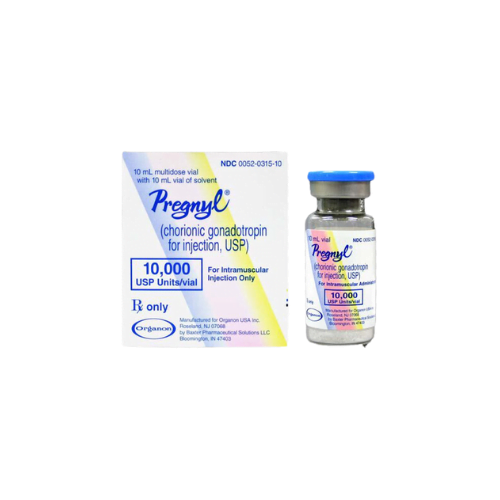
- Pregnyl hCG for reference on hCG products and common precautions
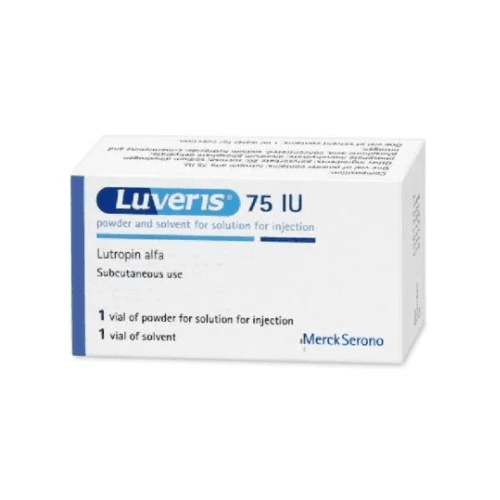
- Luveris to understand recombinant LH (luteinizing hormone) basics at a glance
- Progestan for progesterone information and notes on common vaginal use
These guides are starting points, not a plan for self-treatment.
Bring notes to the visit so the clinician can tailor advice.
This content is for informational purposes only and is not a substitute for professional medical advice.

Find suitable medication for Infertility
Book a telehealth visit to discuss Infertility
Find a doctor
Speciality
State

Video Visit
$69

Video Visit
$69

Video Visit
$69

Video Visit
$69

Video Visit
$69

Video Visit
$69

Speciality: Dermatology, Family Medicine, Men's Health, Urgent Care, Women's health
Speaks: English, Spanish, French, Arabic, Portuguese
Video Visit
$69

Video Visit
$69

Video Visit
$69

Video Visit
$69

Video Visit
$69

Video Visit
$69
Frequently Asked Questions
What is infertility?
Infertility is often defined as not getting pregnant after 12 months. For people 35 or older, many clinicians use six months. It can involve female factors, male factors, or a mix. Sometimes no single cause is found, even after a careful evaluation. Definitions can differ based on age, timing, and medical history details. A clinician can explain what the term means in context.
What will I find on Medispress medication pages for fertility hormones?
Medication pages summarize what a drug is and how it is used. They usually include route details, storage notes, and key safety warnings. Many pages list common side effects and interaction considerations with other medicines. They may also explain common abbreviations used in fertility care. Use them to prepare questions before scheduling or joining a clinician visit. They are not a substitute for personalized guidance from a licensed clinician.
Do fertility medications always require a prescription?
Many fertility hormones are prescription medications under U.S. law today. A licensed clinician must decide if a prescription is appropriate. Pharmacies often confirm prescriber credentials and patient details before dispensing. Some supportive items may be over-the-counter, depending on the product. Always check the medication page for its prescription status before proceeding. Ask a pharmacist if anything on the label is unclear.
Can I use cash-pay access without insurance for fertility medications?
Cash-pay access is common for some fertility prescriptions, including without insurance. Payment and coverage options vary by pharmacy and health plan. A clinician visit may still be required for prescription-only medications. Partner pharmacies, when used, follow state rules for dispensing carefully. Costs can change based on brand, supply needs, and location. Checking the medication page can help identify required steps ahead of time.
What should I do if I have side effects or miss a dose?
Start by reviewing the instructions on the medication label or insert. If side effects feel severe, seek urgent or emergency care promptly. For missed doses, contact the prescribing clinician or pharmacist for guidance. Avoid doubling doses or changing schedules without professional direction first. Keep a record of symptoms and timing to share later. Report possible allergic reactions, such as swelling or breathing trouble, right away.