


Infectious Canine Hepatitis
Care Options and Resources for Infectious Canine Hepatitis
This category page covers Infectious Canine Hepatitis, a contagious dog liver infection.
Pet owners and caregivers can browse plain-language definitions and key terms. It also covers topics to discuss with a veterinarian.
The condition links to canine adenovirus type 1 (CAV-1 infection). People also call it infectious hepatitis in dogs or ICH in dogs.
Medispress offers set-fee video visits with licensed U.S. clinicians in our app.
This page focuses on organized browsing and general education. It does not replace veterinary diagnosis or treatment.
Infectious Canine Hepatitis What You’ll Find
This collection groups information that often appears in vet conversations. It helps clarify what words and phrases usually mean.
Expect short explanations of transmission, risk factors, and typical disease course. For example, “blue eye in dogs” may describe corneal haze after illness.
You will also see prevention terms, including canine adenovirus vaccination. Prognosis and recovery time can vary by age and severity.
- Key terminology, including CAV-1 vs CAV-2 and common abbreviations
- High-level transmission and exposure contexts, like shelters or multi-dog homes
- Prevention topics, including vaccine discussions and hygiene basics
- Supportive care language, plus common complication terms
- Links to related infection and telehealth resources on Medispress
How to Choose
When browsing Infectious Canine Hepatitis resources, focus on clear sources and consistent definitions. Mixed terminology can confuse even careful readers.
Match Terms to What a Vet Describes
Some pages use “hepatitis” to mean many different liver problems. This category focuses on the infectious form tied to CAV-1.
- Check whether a resource distinguishes CAV-1 infection from other dog liver disease causes
- Look for plain-language explanations of contagiousness and typical spread routes
- Note whether a page separates symptoms from complications and long-term effects
- Prefer content that explains uncertainty and avoids absolute promises
- Watch for overconfident “one-size” answers about prognosis or recovery time
Bring Better Questions to a Veterinary Visit
Good questions keep a visit efficient and less stressful. They also reduce misunderstandings about home care and isolation.
- What does the veterinarian think the main risk factors are here?
- How long might contagious shedding last in this situation?
- What warning signs should trigger urgent veterinary evaluation?
- What prevention steps matter most for other dogs in the home?
- How does canine adenovirus vaccination fit the dog vaccination schedule?
Our HIPAA-compliant app helps protect private health details during video visits.
Safety and Use Notes
Serious infection information can feel overwhelming, especially with puppies involved. This section helps keep browsing grounded and practical.
Infectious Canine Hepatitis can resemble other illnesses at first. A veterinarian is the right clinician to confirm cause and next steps.
Why it matters: Similar symptoms can come from very different conditions and risks.
Content that mentions “supportive care” usually refers to symptom management, hydration, and monitoring. It does not mean a single cure works for every dog.
- Contagious illness concerns may apply even when symptoms look mild
- “Blue eye” can describe a temporary eye appearance change after illness
- Puppies and unvaccinated dogs often face higher complication risk
- Severe lethargy, collapse, seizures, or bleeding warrant urgent veterinary care
- Statements about guaranteed prevention or recovery should raise caution
Access and Prescription Requirements
Some treatments discussed for infections are prescription-only in the U.S. Prescription rules depend on the medication and who prescribes it.
For Infectious Canine Hepatitis, a veterinarian typically directs medical care and prescriptions. Pharmacy fulfillment may require verification of a valid prescription.
- Prescription-required products usually need an active prescription on file
- Dispensing rules can vary by state and by pharmacy policies
- Medication names may differ between brand and generic labeling
- Some services can be cash-pay, often without insurance, depending on the item
- Records and instructions should match the prescriber’s directions exactly
Quick tip: Keep a list of current medicines and recent vaccines handy.
When appropriate, providers may coordinate prescriptions with partner pharmacies, following state regulations.
Related Resources
For closely aligned terminology, browse Canine Adenovirus Infectious Hepatitis. For broader browsing, see the Infectious Disease category page.
To explore general infection care navigation, visit Infectious Diseases and Infectious Diseases ID. For help choosing a virtual visit format, read Telehealth Online Basics. If browsing other symptom topics, compare writing style across Cold Sores What Works and How To Stop Hair Loss.
This content is for informational purposes only and is not a substitute for professional medical advice.

Find suitable medication for Infectious Canine Hepatitis
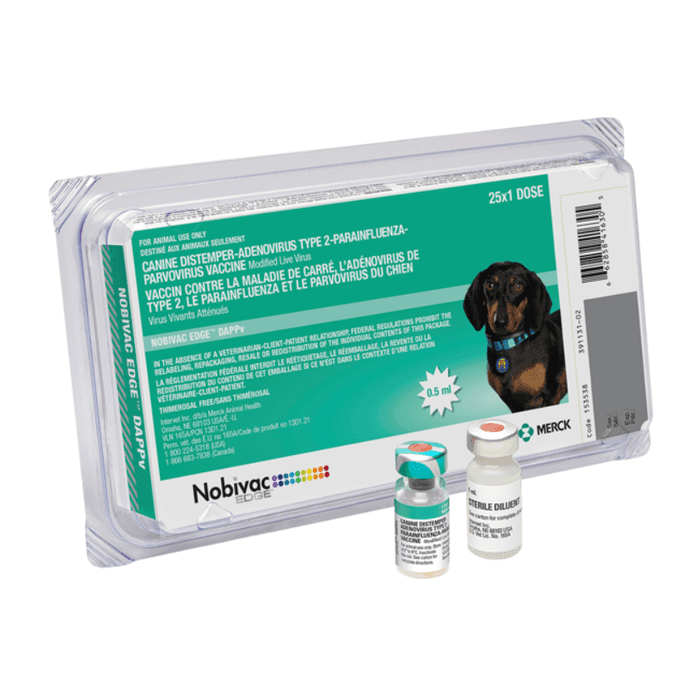
Book a telehealth visit to discuss Infectious Canine Hepatitis
Find a doctor
Speciality
State

Video Visit
$69

Video Visit
$69

Video Visit
$69

Video Visit
$69

Video Visit
$69

Video Visit
$69

Speciality: Dermatology, Family Medicine, Men's Health, Urgent Care, Women's health
Speaks: English, Spanish, French, Arabic, Portuguese
Video Visit
$69

Video Visit
$69

Video Visit
$69

Video Visit
$69

Video Visit
$69

Video Visit
$69
Frequently Asked Questions
What is Infectious Canine Hepatitis?
Infectious Canine Hepatitis is a contagious disease in dogs. It is most often linked to canine adenovirus type 1 (CAV-1). The virus can affect the liver and may also involve the eyes or kidneys. People may shorten the name to ICH in dogs. Symptoms and severity can vary widely between dogs. A veterinarian can confirm the cause and explain expected monitoring and care.
How do dogs get canine hepatitis?
Dogs can get infectious hepatitis in dogs through exposure to virus shed by infected dogs. Spread is often discussed in terms of contact with saliva, urine, or feces. Contaminated bowls, bedding, and shared spaces can also play a role. Risk can be higher in crowded settings, like shelters or boarding. Vaccination status and age can affect vulnerability. A veterinarian can explain likely transmission in a specific situation.
What should I look for on this category page?
Use this category page to compare definitions, common phrases, and prevention topics. Look for clear explanations of CAV-1 vs CAV-2, contagiousness, and typical course. The page may also link to related infectious disease browsing and telehealth basics. It is most helpful for organizing questions and understanding terminology. It is not meant to diagnose a dog or replace a veterinary visit.
How does prescription verification work on Medispress?
Some medications require a valid prescription before a pharmacy can dispense them. Verification can include confirming prescriber details, patient information, and current authorization. Requirements may vary by state regulations and the dispensing pharmacy’s process. When a clinician determines a prescription is appropriate, Medispress providers may coordinate options through partner pharmacies. This keeps dispensing aligned with legal and safety requirements. Always follow the prescriber’s directions and labeling.
When is urgent veterinary care needed for a sick dog?
Urgent veterinary evaluation is important when a dog shows severe or rapidly worsening signs. Examples include collapse, seizures, uncontrolled bleeding, repeated vomiting, marked dehydration, or profound weakness. Yellowing of the gums or eyes can also signal a serious problem. Very young puppies and unvaccinated dogs may be higher risk. When in doubt, contacting an emergency veterinary service can be safer than waiting.