


Hypothyroidism
Care Options for Hypothyroidism
This category page brings together practical information about Hypothyroidism for patients and caregivers. It focuses on common terms, care pathways, and medication overviews. It also links to specific thyroid hormone products clinicians may discuss.
An underactive thyroid can affect energy, weight, temperature tolerance, and mood. Causes can include Hashimoto’s thyroiditis (autoimmune thyroid disease) and prior thyroid treatments. Some people have mild, early changes called subclinical hypothyroidism.
Video visits happen in a secure, HIPAA-compliant Medispress app.
Hypothyroidism What You’ll Find
This browse page helps compare common thyroid hormone options and related context. The listings can include brand and generic names, available forms, and basic use notes. It is a good place to keep names straight before a visit.
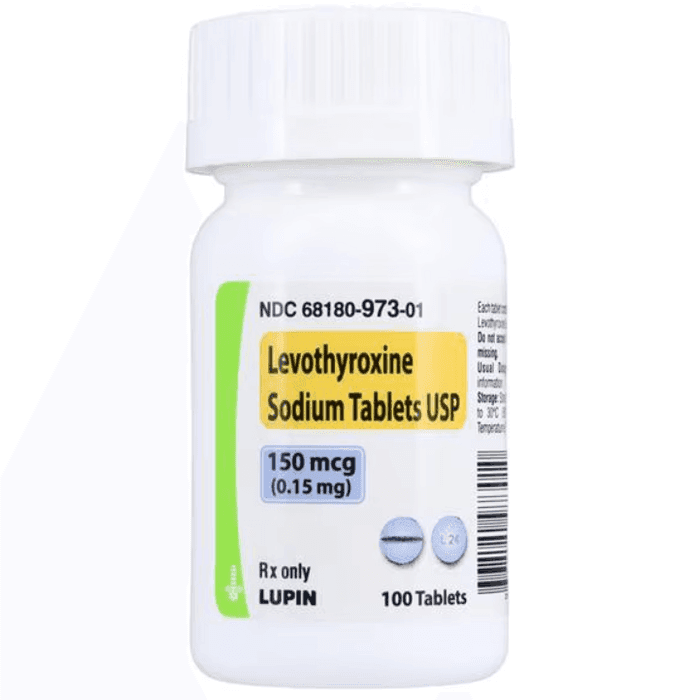
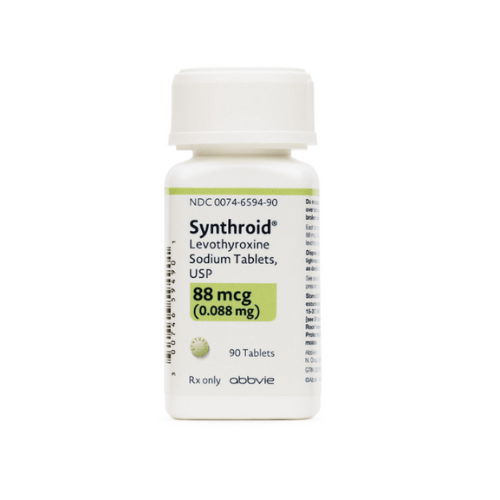
Many treatment conversations center on levothyroxine treatment, a synthetic T4 hormone. Some pages cover familiar brands like Synthroid or other regional brands. You may also see different presentations, including Levothyroxine Sodium Injection Vial, which is not the same as tablets.
You will also see plain-language explanations of how clinicians think about symptoms and labs. Terms like TSH levels hypothyroidism, free T4 and T3, and thyroid antibodies TPO may appear. These help explain hypothyroidism diagnosis and why follow-up plans can vary.
- Medication name pages with brand and ingredient details
- Common symptom patterns like fatigue and weight changes
- Background topics like goiter and thyroid antibodies
- Situations that change care plans, like pregnancy or childhood
How to Choose
Comparing resources works best when the goal is clarity, not self-treatment. Hypothyroidism can look like other conditions, including anemia or depression. It also overlaps with hypothyroidism vs hyperthyroidism in confusing ways.
What to compare across medication pages
Medication pages often look similar, so small details matter. Use these checks to stay organized while browsing. Keep notes so details are easy to confirm later.
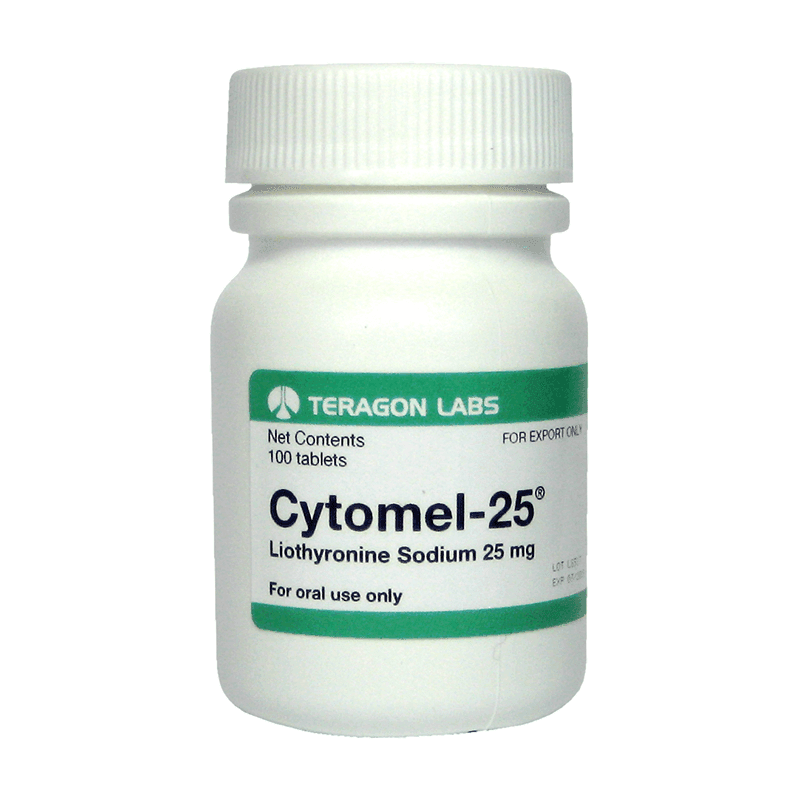
- Active ingredient and hormone type, such as T4 versus T3
- Form, such as tablet, capsule, or injection
- Brand naming versus generic naming across pharmacies
- Label cautions, including food and drug interaction warnings
- Special populations mentioned, including pregnancy or pediatrics
- Whether the page notes switching brands may require monitoring
Quick tip: Save a short list of questions in your account notes.
Questions to bring to a clinician
Good questions are specific and easy to answer. They can reduce mix-ups between products with similar names. They also help set expectations for follow-up.
- What might explain the current symptom pattern and duration
- How TSH and free T4 results guide next steps
- Whether Hashimoto’s thyroiditis is a likely underlying cause
- How pregnancy or postpartum status may change monitoring
- Which other medicines or supplements could interfere with therapy
Safety and Use Notes
Thyroid hormone is a prescription medication with meaningful risks. Too much hormone can trigger palpitations, anxiety, or bone loss over time. Too little can leave symptoms unresolved and raise cholesterol in some people.
Medispress telehealth visits are delivered by licensed U.S. clinicians.
Some causes of Hypothyroidism relate to autoimmune thyroid damage or thyroid removal. Others relate to medicines, radiation, or pituitary disease. Special situations include congenital hypothyroidism and hypothyroidism in children, where growth and development matter.
When reviewing safety, clinicians often consider other conditions and medications. For example, iron, calcium, and some antacids can affect absorption for certain tablets. For plain-language background, see this American Thyroid Association overview of hypothyroidism from the ATA.
Why it matters: A complete medication list can prevent avoidable interaction problems.
- Report heart symptoms, severe weakness, or confusion promptly
- Discuss pregnancy plans, since targets can differ in pregnancy
- Share any history of heart disease or osteoporosis
- Ask how to handle missed doses, without changing a plan alone
Access and Prescription Requirements
Thyroid hormone therapies require a valid prescription and clinical oversight. If a prescription is appropriate, it must be verified before dispensing. This is true whether paying with insurance or using cash-pay without insurance.
For ongoing Hypothyroidism management, documentation helps reduce delays. Keep prior medication names and recent lab summaries available if possible. Sharing the correct pharmacy details also prevents mix-ups.
When appropriate, providers can route prescriptions through partner pharmacies, following state rules.
- Prescriptions are only issued when clinically appropriate
- State regulations can affect what can be prescribed and where
- Identification and allergy details may be required for verification
- Refill timing and monitoring plans are set by the clinician
Related Resources
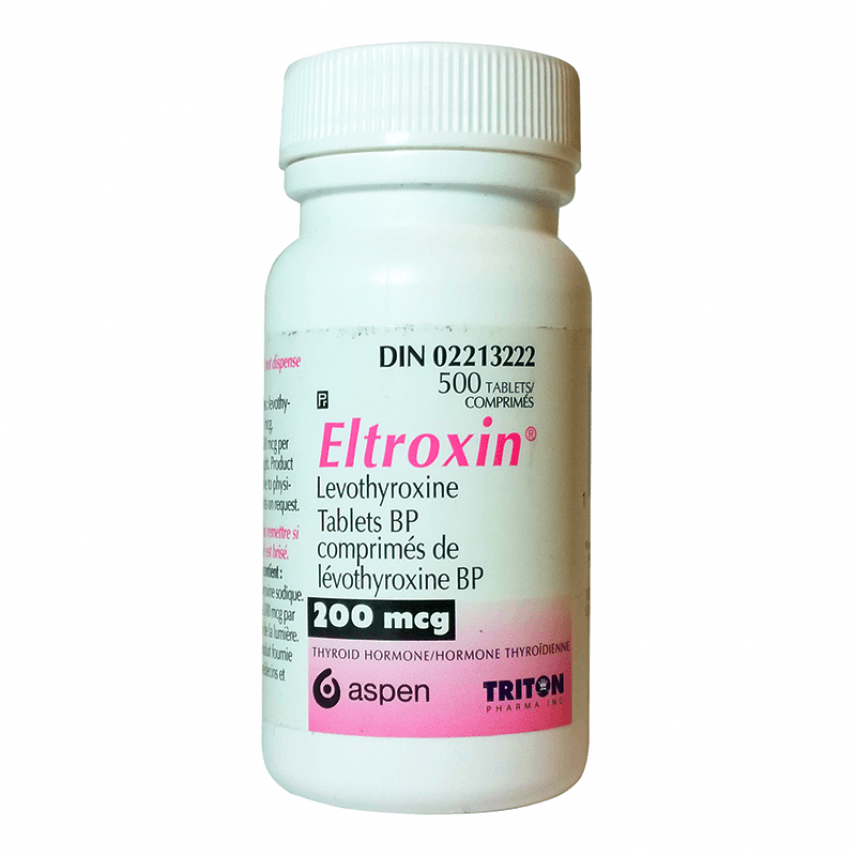
If medication names have been confusing, browsing a few pages can help. You can compare regional brand names like Eltroxin and Thyronorm with other thyroid listings. Some collections also use broad labels like Thyroid Tablets, which can refer to several products.
For additional medication safety context, the FDA provides general drug information and labeling references from the FDA. Use those sources for definitions and label language, then confirm specifics with a clinician.
This content is for informational purposes only and is not a substitute for professional medical advice.

Find suitable medication for Hypothyroidism

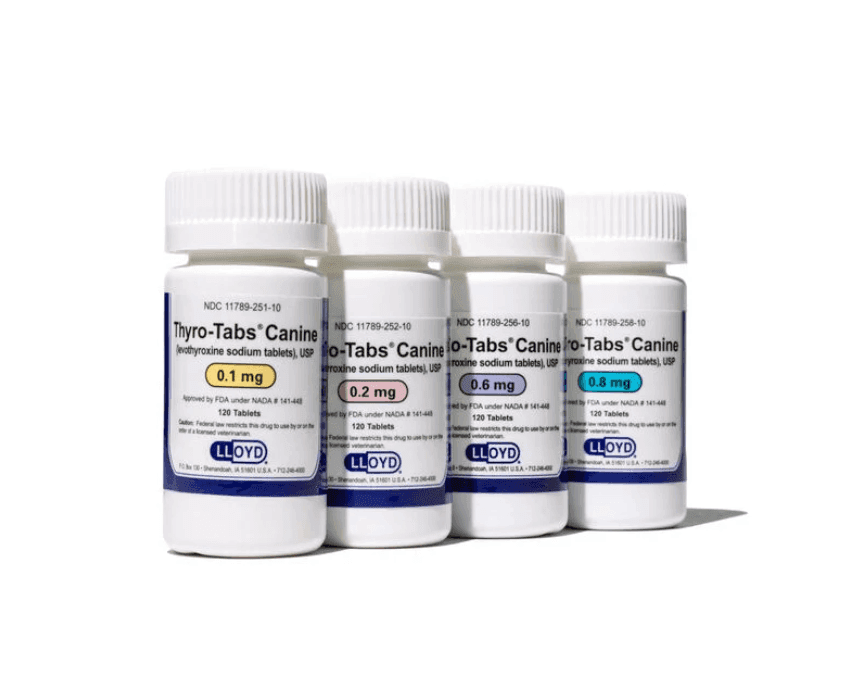
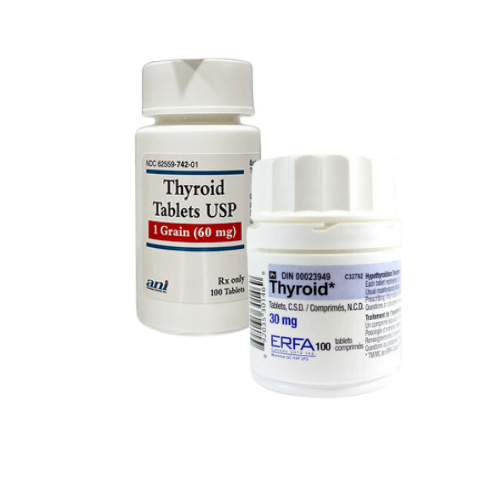

Book a telehealth visit to discuss Hypothyroidism
Find a doctor
Speciality
State

Video Visit
$69

Video Visit
$69

Video Visit
$69

Video Visit
$69

Video Visit
$69

Video Visit
$69

Speciality: Dermatology, Family Medicine, Men's Health, Urgent Care, Women's health
Speaks: English, Spanish, French, Arabic, Portuguese
Video Visit
$69

Video Visit
$69

Video Visit
$69

Video Visit
$69

Video Visit
$69

Video Visit
$69
Frequently Asked Questions
What kinds of information are included on this Hypothyroidism category page?
This page groups links and background topics related to an underactive thyroid. It may include medication name pages, common terms used in visits, and safety context. You can compare brand and generic names, medication forms, and basic label notes. It also highlights related concepts like TSH, free T4, and thyroid antibodies. Use it to stay organized and to prepare questions for a clinician.
Is Hypothyroidism the same as an underactive thyroid?
Yes. Hypothyroidism is the medical term for an underactive thyroid. It means the thyroid gland is not making enough thyroid hormone for the body’s needs. People may notice fatigue, cold intolerance, constipation, dry skin, weight gain, or hair changes. Symptoms can overlap with other conditions, so clinicians usually confirm the cause and severity using history and lab results.
What is the difference between Hashimoto's thyroiditis and Hypothyroidism?
Hashimoto’s thyroiditis is a common cause of hypothyroidism. It is an autoimmune condition where the immune system can damage thyroid tissue. Over time, this can reduce thyroid hormone production. Clinicians may look at thyroid antibodies, along with TSH and free T4, to understand the picture. Not all hypothyroidism is Hashimoto’s, and management can differ by cause and life stage.
Can telehealth be used for thyroid medication refills or follow-ups?
Telehealth can be used for many follow-ups when clinically appropriate. A clinician may review symptoms, prior medication names, and available lab results. They may also confirm allergies and other medications to reduce interaction risks. If a prescription is appropriate, the clinician can coordinate it through a licensed pharmacy partner, depending on state rules. Some situations still require in-person evaluation.
When should someone seek urgent care for possible thyroid-related symptoms?
Urgent care may be needed for severe or sudden symptoms. Examples include chest pain, severe shortness of breath, fainting, new confusion, or a dangerously fast or irregular heartbeat. These can have many causes, including heart problems, medication effects, or severe thyroid imbalance. For newborns or children with concerning symptoms, urgent evaluation is especially important. This page is informational and does not replace medical care.