


Hyponatremia
Care Options for Hyponatremia
Hyponatremia means a low sodium in blood, measured on routine lab work. It can develop quickly or build slowly over time. Causes range from medications to hormone signaling problems. Fluid balance issues can also play a role. This category page supports patients and caregivers who need clear, practical context. It also helps with browsing medication information that may be discussed in care.
Common hyponatremia symptoms include headache, nausea, confusion, and fatigue. Severe cases may involve seizures or reduced consciousness. Because symptoms overlap with many conditions, evaluation often matters more than guesswork. Clinicians usually consider timing, recent illnesses, and current medicines. Many cases need in-person labs and monitoring to confirm a cause.
Video visits on Medispress connect patients with licensed U.S. clinicians for review and next-step planning.
Hyponatremia: What You’ll Find
This collection brings together key references for sodium imbalance questions. It covers plain-language explanations and clinical terms side by side. That includes hyponatremia causes, risk factors, and how clinicians frame a workup. It also highlights why “low sodium” is not one single condition. The pattern can differ by body water status and other lab findings.
Expect references to categories like euvolemic hyponatremia (normal body fluid volume), hypovolemic hyponatremia (low fluid volume), and hypervolemic hyponatremia (excess fluid volume). SIADH, short for syndrome of inappropriate ADH (a hormone signal that retains water), may also appear. These labels help clinicians organize the differential diagnosis. They also guide what monitoring is needed during sodium correction.
- Plain-language definitions for low sodium in blood
- Examples of common triggers, including illnesses and medications
- Notes on hyponatremia evaluation, including osmolality patterns
- High-level overview of hyponatremia treatment approaches
- Medication pages that may be referenced in care discussions
How to Choose
Different resources fit different needs, even on the same browse page. Some entries focus on basic education for patients. Others focus on clinical framing, like hyponatremia guidelines and typical lab patterns. Hyponatremia may be acute or chronic, and that context shapes questions. A good starting point is matching the resource to the situation.
What to look for in a resource
- Clear distinction between symptoms and confirmed diagnosis
- Definitions for terms like osmolality and urine sodium
- Context on diuretics and other medicines that can contribute
- Mentions of heart failure, liver disease, or kidney disease factors
- Emphasis on monitoring needs during correction, not quick fixes
- Balanced discussion of complications, including neurologic risks
Quick tip: Use on-page search to jump to a medication name.
Questions that often come up in care planning
- Which recent medication changes may matter, including diuretics
- Whether symptoms suggest urgent evaluation rather than waiting
- Whether the pattern fits SIADH versus fluid loss
- Which prior sodium levels help interpret trends over time
- Which setting is appropriate for monitoring and follow-up
Safety and Use Notes
Sodium imbalance can be mild, moderate, or severe. The same sodium level can affect people differently. Severe confusion, seizures, or fainting should be treated as urgent. Rapid sodium correction can also be dangerous in some situations. For that reason, treatment decisions are usually individualized and monitored.
Why it matters: Overly fast correction can raise the risk of serious brain injury.
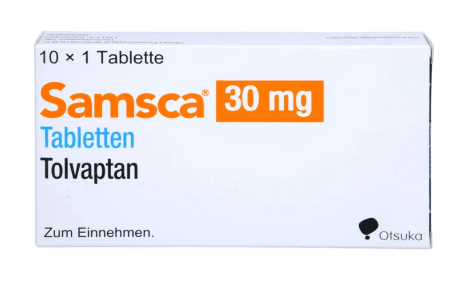
Some hyponatremia treatment options require close observation and repeat labs. That is especially true when a medication changes water handling in the kidneys. For example, tolvaptan has specific monitoring considerations and labeled warnings. For official safety details, review the FDA Samsca label.
Visits take place in a secure, HIPAA-compliant app for private communication and documentation.
Risk can differ across groups, including hyponatremia in elderly patients. It can also appear with hyponatremia in heart failure, where fluid status complicates decisions. Another common thread is hyponatremia and diuretics, especially after dose changes. These are not self-management situations. They are usually clinician-led decisions with careful follow-up.
Access and Prescription Requirements
Prescription-only therapies for sodium disorders require a clinician’s assessment. Many decisions depend on labs and a full medication list. In some cases, care starts with clarifying whether symptoms match the sodium level. If a prescription is considered, the choice depends on safety, setting, and monitoring needs. Hyponatremia often involves coordination across primary care and specialists.
Medispress uses a flat-fee model for telehealth visits, when a visit is appropriate. Some cases may still need urgent in-person evaluation or hospital monitoring. That can be true when symptoms are severe or levels are changing quickly. Administrative steps may include identity checks and prescription verification where required. Dispensing, when available, is handled by licensed pharmacies.
When clinically appropriate, clinicians may coordinate prescriptions through partner pharmacies, following state-specific rules.
Cash-pay options are available, often without insurance, depending on clinical fit and regulations. Coverage rules vary widely across plans and states. This page focuses on browsing and education, not coverage decisions. It can still help people prepare for a clearer conversation with a care team.
Related Resources
Some visitors want to compare medication names mentioned during a hospital stay. Others want background on terms like SIADH or osmolality. For a specific medication reference, see Samsca Medication Details for general information and context. Independent education can also help with symptom recognition and terminology. For a plain-language overview, see the MedlinePlus hyponatremia overview.
This collection also supports hyponatremia management planning conversations. It explains how clinicians may frame hyponatremia diagnosis and a differential diagnosis. It also highlights why “one-size” treatment rarely applies. Use it as a reference when reviewing discharge paperwork or care notes. It can also help track which questions need follow-up visits.
This content is for informational purposes only and is not a substitute for professional medical advice.

Find suitable medication for Hyponatremia
Book a telehealth visit to discuss Hyponatremia
Find a doctor
Speciality
State

Video Visit
$69

Video Visit
$69

Video Visit
$69

Video Visit
$69

Video Visit
$69

Video Visit
$69

Speciality: Dermatology, Family Medicine, Men's Health, Urgent Care, Women's health
Speaks: English, Spanish, French, Arabic, Portuguese
Video Visit
$69

Video Visit
$69

Video Visit
$69

Video Visit
$69

Video Visit
$69

Video Visit
$69
Frequently Asked Questions
What is included on this Hyponatremia category page?
This page gathers educational context and medication references related to low sodium. It may include plain-language explanations, common terms, and safety notes. It can also link to medication pages that are sometimes discussed in care. The goal is easier browsing and better understanding of clinician terminology. It is not a diagnostic tool. It does not replace labs, monitoring, or a clinician’s evaluation.
Can hyponatremia be managed through telehealth?
Telehealth can support review of symptoms, history, and medication lists. It can also help plan next steps and decide what needs in-person testing. Some situations require urgent or hospital-based monitoring. That is especially true with severe symptoms or rapid changes. Clinicians make those decisions case by case. Telehealth is often most useful for follow-up, education, and coordination.
What information helps a clinician evaluate low sodium in blood?
Clinicians often look for timing, symptom pattern, and recent medication changes. A full list of prescriptions and supplements can matter. They may also consider recent vomiting, diarrhea, infections, or major fluid shifts. Past sodium results help show whether the issue is chronic or acute. Lab patterns, such as serum and urine measures, can clarify likely causes. These details support a safer workup and monitoring plan.
When is hyponatremia an emergency?
Emergency concerns include seizures, severe confusion, fainting, or reduced alertness. These symptoms can signal a serious neurologic problem. Very rapid symptom onset can also raise urgency, even before numbers are known. People with major heart, liver, or kidney disease may have added risk. Because sodium correction can be complex, urgent care teams may monitor closely. When in doubt, emergency services can help assess immediate safety.
What does SIADH mean, and why is it mentioned often?
SIADH stands for syndrome of inappropriate ADH, a hormone signaling problem. ADH can cause the body to hold onto water. That can dilute sodium levels even when total sodium is unchanged. SIADH is one possible cause among many, not a default diagnosis. Clinicians usually confirm it by looking at the full clinical picture and lab patterns. The term appears often because it helps organize evaluation and treatment planning.