


Hypogonadism
Care Options for Hypogonadism
Hypogonadism is a condition where the body makes too little sex hormone. It can affect testosterone, estrogen, and hormones tied to fertility. This category page supports browsing of common terms, care pathways, and medication information that may appear in care.
Some people notice changes in energy, libido, mood, or muscle mass. Others look for context around delayed puberty or fertility planning. Use this collection to build a shared vocabulary and understand next-step options.
Hypogonadism: What You’ll Find
This collection brings together practical, condition-aligned resources. It focuses on plain-language explanations and the medical terms clinicians use. It also includes medication pages that may relate to hormone and fertility care plans.
Many listings separate male hypogonadism and female hypogonadism. Some also group causes as primary hypogonadism (gonadal origin) or secondary hypogonadism (brain signaling origin). Less common labels may appear too, such as hypogonadotropic hypogonadism (reduced pituitary signals) and hypergonadotropic hypogonadism (gonads do not respond well).
- Definitions for common subtypes and related terms
- Summaries of hypogonadism symptoms and common care goals
- High-level notes on hypogonadism causes across ages and life stages
- Medication information pages, when available on Medispress
- Navigation that supports comparing options side by side
Video visits run in a secure, HIPAA-compliant Medispress app.
How to Choose
Different resources fit different needs. Some pages focus on terminology and diagnosis language. Others focus on treatment categories or fertility considerations. Hypogonadism can look different across puberty, adulthood, and later life.
Quick tip: Keep a current medication and supplement list ready for any visit.
Match the topic to the situation
- Life stage: hypogonadism in adolescents versus hypogonadism in adults
- Pattern: delayed puberty hypogonadism versus late onset hypogonadism
- Possible source: pituitary hypogonadism or hypothalamic hypogonadism terms
- Context: functional hypogonadism linked to stress, weight, or illness
- Fertility: prioritize pages that discuss fertility and hypogonadism
- Genetics: look for Klinefelter syndrome hypogonadism references when relevant
Compare care pathways without guessing outcomes
- Does the resource distinguish evaluation from treatment discussions?
- Does it define androgen deficiency and testosterone deficiency clearly?
- Does it separate symptom relief goals from fertility-focused goals?
- Does it describe gonadal failure versus signaling problems in plain language?
- Does it note that plans often differ for men and women?
Some pages summarize hypogonadism guidelines. These can help explain why clinicians may choose a cautious approach. They also explain why follow-up may vary by age and medical history.
Safety and Use Notes
Hormone-related care can involve tradeoffs, side effects, and monitoring needs. The right approach depends on the underlying cause and the care goal. Hypogonadism treatment options may include testosterone replacement therapy, fertility-focused medications, or addressing contributing conditions.
Why it matters: Hormone medicines can affect mood, blood pressure, and fertility planning.
Medication pages may mention testosterone products or therapies that stimulate hormone signaling. Some care plans discuss hCG (human chorionic gonadotropin) or other fertility-related approaches. These topics are complex, so it helps to read with a “questions list” mindset.
- Contraindications and precautions, including pregnancy-related limits for some therapies
- Potential side effects that warrant prompt clinical review
- Drug interactions and misuse risks, especially with anabolic steroid exposure
- Fertility impacts, since some approaches can reduce sperm production
- Special considerations for adolescents and for people with chronic conditions
For clinician standards, see Endocrine Society Guideline.
Access and Prescription Requirements
Many therapies discussed for this condition require a prescription. Pharmacies dispense prescription medications under state and federal rules. They also verify prescriptions before filling, which helps protect safety.
Access steps can vary based on medication type and clinical context. Hypogonadism care may involve a telehealth discussion, in-person follow-up, or a mix. Some people prefer cash-pay options, often without insurance, for simplicity.
When appropriate, clinicians can coordinate prescriptions through partner pharmacies, based on state regulations.
- Prescription-only status for many hormone and fertility-related medicines
- Identity and prescription verification requirements at the pharmacy level
- State-specific rules that may limit certain medications or workflows
- Documentation needs for refills and ongoing therapy discussions
- Clear communication about allergies, current medicines, and medical history
If a medication page appears in this collection, it explains general use and key precautions. It does not replace clinician judgment, and it cannot confirm whether a medication fits a specific situation.
Related Resources
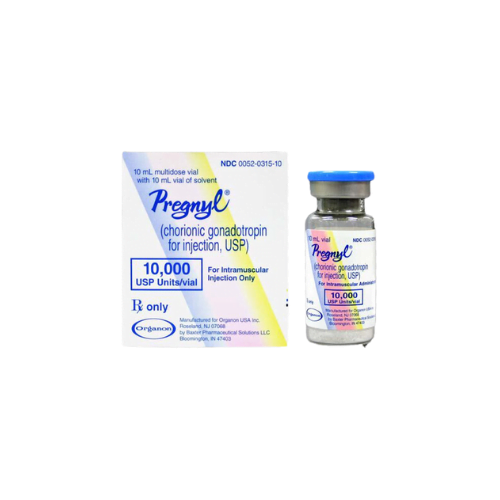
Use the links in this collection to move from general concepts to specific medication background. For example, the Pregnyl hCG page explains what that medication is and why it may be discussed in fertility-focused plans.
For a general medical overview of Hypogonadism terminology and symptoms, review MedlinePlus Hypogonadism. It can also help clarify common labels like low testosterone in men and broader “gonadal failure” terms. Use these references to stay oriented while browsing, then focus on the parts that match the situation.
This content is for informational purposes only and is not a substitute for professional medical advice.

Find suitable medication for Hypogonadism
Book a telehealth visit to discuss Hypogonadism
Find a doctor
Speciality
State

Video Visit
$69

Video Visit
$69

Video Visit
$69

Video Visit
$69

Video Visit
$69

Video Visit
$69

Speciality: Dermatology, Family Medicine, Men's Health, Urgent Care, Women's health
Speaks: English, Spanish, French, Arabic, Portuguese
Video Visit
$69

Video Visit
$69

Video Visit
$69

Video Visit
$69

Video Visit
$69

Video Visit
$69
Frequently Asked Questions
What does hypogonadism mean?
Hypogonadism describes reduced function of the ovaries or testes. That can lead to lower levels of sex hormones, like testosterone or estrogen. Clinicians may also discuss related hormones tied to reproduction. Terms often split into primary hypogonadism (gonads as the main issue) and secondary hypogonadism (signaling from the brain). Some resources also mention functional or late onset hypogonadism when other health factors play a role.
What kinds of information are listed on this page?
This category page groups condition-related resources in one place. It can include definitions, symptom summaries, and explanations of common subtype labels. When available, it also links to medication information pages that may come up in hormone or fertility care plans. The goal is easier browsing and comparison. It is not a diagnostic tool, and it does not replace a clinician’s assessment.
Can telehealth be used to discuss possible hypogonadism?
Telehealth can support an initial discussion of symptoms, health history, and current medications. A clinician can also review prior diagnoses and help outline reasonable next steps. Some situations still require in-person care, especially when a physical exam is important. On Medispress, licensed U.S. clinicians conduct video visits in a secure app. Clinicians decide what is clinically appropriate, including whether prescriptions are suitable.
What medications are sometimes discussed for hypogonadism?
Resources may mention testosterone replacement therapy and other hormone-related options. Some plans focus on fertility and may discuss medicines that support hormone signaling, such as hCG. The best option depends on the underlying cause, age, and care goals. Some therapies can affect fertility, mood, and other health risks. Medication pages can help clarify intended use and key precautions, but they cannot determine personal suitability.
What safety issues should be kept in mind when browsing these resources?
Hormone medicines can have meaningful risks and contraindications. Resources often highlight interaction risks, misuse concerns, and fertility impacts. Emergency care is appropriate for severe allergic reactions, chest pain, trouble breathing, or sudden neurologic symptoms. For non-emergency concerns, a clinician can help interpret symptoms and medication cautions in context. Use this collection to understand terms, then rely on a qualified clinician for medical decisions.