


Hypoactive Sexual Desire Disorder
Care Options for Hypoactive Sexual Desire Disorder
Low sexual desire can feel confusing, isolating, and hard to explain. This category page covers Hypoactive Sexual Desire Disorder in clear, practical terms. It also covers nearby topics, like low libido, stress, and medication effects. The goal is better understanding and easier next steps for care.
Desire changes can relate to health, hormones, mood, relationships, and life stage. Some people also use the term HSDD, or newer terms like female sexual interest/arousal disorder (FSIAD). This page helps organize those ideas while browsing. A clinician still needs to evaluate symptoms and make decisions.
Hypoactive Sexual Desire Disorder: What You’ll Find
This collection brings together resources used when desire is persistently low. Some items focus on definitions and common causes. Others focus on options that may come up in clinical care. The emphasis stays on safe, informed browsing, not self-treatment.
Expect plain-language explanations alongside clinical terms like female sexual dysfunction. Some sections also cover relationship factors and low desire. Others explain how menopause and low libido can overlap. Visits happen by video with licensed U.S. clinicians.
- Clear definitions and how HSDD differs from situational low desire
- Overviews of causes, including medications and mental health factors
- Summaries of treatment types, like sex therapy and couples counseling
- Medication education pages, when available in this collection
- Administrative notes on access, prescriptions, and verification
How to Choose
People describe low desire in many different ways. Hypoactive Sexual Desire Disorder is usually discussed when low desire is persistent and distressing. That nuance matters when comparing resources on this page. It also shapes what questions a clinician may ask.
- Duration, pattern, and whether the change feels distressing
- Any recent life changes, including postpartum shifts or caregiving stress
- Medication history, including antidepressants and libido changes
- Menstrual cycle changes, menopause symptoms, or hormone therapy use
- Mood symptoms, sleep issues, and chronic pain that can reduce desire
- Relationship context, including communication and conflict patterns
- Interest in talk-based approaches, like CBT (skills-based therapy)
- Comfort with options that require planning versus as-needed approaches
Clarify the pattern before comparing options
Some people notice desire drops only in certain situations. Others notice a wider change across partners or contexts. This difference can guide which educational pages feel most relevant. It also helps avoid reading every option as a personal match.
- Note whether arousal is also reduced, not just interest
- Consider whether pleasure and orgasm have changed at the same time
- Track timing around new medications, dose changes, or stopping a drug
- Ask whether stress or fatigue is the main driver most weeks
Quick tip: Keep a short timeline of changes to share during a visit.
Prepare questions that support a focused visit
A good resource should make conversations easier and more specific. Questions can cover health factors, relationship supports, and medication safety. Screening tools may also come up in discussion. One example is the FSFI (Female Sexual Function Index) questionnaire.
- What medical or hormonal factors should be reviewed first?
- Could current medications be contributing to low sexual desire?
- What non-medication approaches are reasonable to consider?
- What side effects and interactions matter most for each option?
- What would count as a meaningful improvement for this person?
Safety and Use Notes
Low libido treatments can range from counseling to prescription medications. Some options focus on thoughts, stress, and attention during intimacy. Others focus on biology, including hormones and neurotransmitters. A clinician can help weigh benefits, risks, and contraindications.
When Hypoactive Sexual Desire Disorder is discussed, safety often centers on interactions. Some prescriptions have important cautions with alcohol or other medicines. Some have restrictions based on medical history or pregnancy status. Appointments run in a secure, HIPAA-compliant app.
- Bring a complete medication list, including supplements and as-needed drugs
- Ask about interaction risks with alcohol, sedatives, or blood pressure medicines
- Review mental health history, since mood can affect desire and safety
- Discuss menopause, postpartum changes, and pelvic pain symptoms
- Consider sex therapy, mindfulness for sexual desire, or couples counseling options
Why it matters: Interaction warnings can affect safety even at standard labeled use.
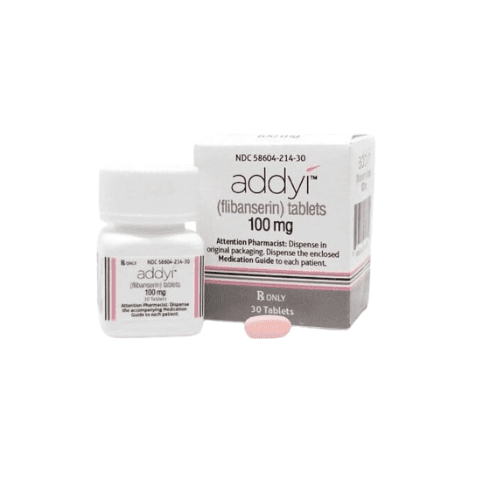
For official prescribing details, review the FDA label for Addyi. For labeling and safety information on bremelanotide, see the FDA label for Vyleesi.
Access and Prescription Requirements
Some support options do not require prescriptions, like counseling services. Prescription treatments for low sexual desire require an evaluation. Requirements can vary by state and by medication. Licensed pharmacies also follow dispensing rules and verification steps.
Medispress supports access to care through Hypoactive Sexual Desire Disorder telehealth visits. When clinically appropriate, clinicians can route prescriptions through partner pharmacies, under state rules. Many people use cash-pay options, sometimes without insurance. Product availability and fulfillment depend on clinical fit and regulations.
- Rx medicines require a clinician assessment and a valid prescription
- Expect identity and prescription verification for regulated medications
- Some medications have screening questions tied to labeled safety warnings
- State rules may affect which options can be coordinated
- Documentation may be needed for safe prescribing and continuity of care
Related Resources
This collection is meant to make the topic less overwhelming. It brings together terms, causes, and care pathways in one place. Hypoactive Sexual Desire Disorder is often discussed alongside mood, hormones, and relationship factors. Reading across those areas can make visits more productive.
Medication education pages can also help set expectations for discussions. Browse the Addyi Medication Information page for a focused overview. Other pages may be added over time as the collection expands. Use the page layout to compare definitions, safety notes, and administrative requirements.
- Sex therapy and couples counseling concepts, including communication strategies
- Notes on antidepressants and libido, and other common medication contributors
- Menopause and postpartum context that can affect sexual interest
- Terms used in guidelines, including HSDD assessment language
This content is for informational purposes only and is not a substitute for professional medical advice.

Find suitable medication for Hypoactive Sexual Desire Disorder
Book a telehealth visit to discuss Hypoactive Sexual Desire Disorder
Find a doctor
Speciality
State

Video Visit
$69

Video Visit
$69

Video Visit
$69

Video Visit
$69

Video Visit
$69

Video Visit
$69

Speciality: Dermatology, Family Medicine, Men's Health, Urgent Care, Women's health
Speaks: English, Spanish, French, Arabic, Portuguese
Video Visit
$69

Video Visit
$69

Video Visit
$69

Video Visit
$69

Video Visit
$69

Video Visit
$69
Frequently Asked Questions
What is HSDD and how is it different from low libido?
HSDD is a term used when sexual desire is persistently low and feels distressing. Low libido can be temporary, situational, or not distressing at all. Many factors can influence desire, including stress, relationship dynamics, sleep, hormones, pain, and medications. Clinicians also consider whether arousal problems or discomfort are present. Because terms vary, some people may also hear FSIAD used in certain settings.
What information is helpful to gather before a low desire visit?
A short timeline can help a clinician understand what changed and when. Many people note major life events, postpartum timing, menopause symptoms, and mood changes. A current medication list matters, including antidepressants, hormonal contraception, and supplements. It also helps to describe whether desire is low in all contexts or only certain ones. If pain with sex is present, that is important to mention because it changes evaluation.
Are there prescription medications for low sexual desire?
Some prescription options exist, but they are not right for everyone. Examples that may come up in conversations include flibanserin (Addyi) and bremelanotide (Vyleesi), each with specific labeled safety information. In some situations, clinicians may also discuss hormone-related approaches, such as testosterone therapy for women, based on individual factors and guidance. A licensed clinician should review medical history, interactions, and goals before considering any prescription.
Can menopause, postpartum changes, or antidepressants affect sexual desire?
Yes, these factors can influence desire for many people. Menopause can bring hormonal shifts, sleep disruption, and vaginal dryness that reduce interest. Postpartum life can add fatigue, body changes, pain, and stress that affect libido. Some antidepressants may reduce desire or arousal, although experiences vary widely. These influences do not automatically mean a disorder is present. A clinician can help sort likely contributors and discuss supportive options.
How do prescriptions and pharmacy coordination work on Medispress?
Medispress supports video visits with licensed U.S. clinicians through a secure, HIPAA-aligned app. Clinicians decide what is clinically appropriate based on the visit. When a prescription is appropriate, providers may coordinate options through partner pharmacies, following state rules. Prescription medications require standard verification steps, and dispensing must follow pharmacy regulations. Some people use cash-pay pathways, sometimes without insurance, depending on the situation and the medication.