


Hyperuricemia
Care Options for Hyperuricemia
Hyperuricemia is the medical term for higher-than-expected uric acid in blood. Many people feel no symptoms, even with elevated lab values. Others may have related concerns like gout flares, kidney stones, or joint swelling. This category page brings together practical information for patients and caregivers. It focuses on common causes, patterns clinicians look for, and treatment pathways. It also helps with navigation, like what medication pages typically cover. The goal is to make the next steps clearer and less stressful.
Visits are provided by licensed U.S. clinicians through secure video appointments.
Hyperuricemia: What You’ll Find
This collection centers on what tends to matter when reviewing high uric acid levels. It explains how uric acid is produced during purine metabolism (how the body breaks down purines). It also covers how kidneys remove uric acid, and why problems there can raise levels. You will see plain-language context alongside clinical terms, so details feel easier to follow.
You may also see how hyperuricemia connects with gout and hyperuricemia concerns. Some people also read about tophi formation (firm urate lumps) in long-standing disease. Other related topics include chronic kidney disease and uric acid, hypertension and hyperuricemia, and metabolic syndrome uric acid patterns. These topics help explain why clinicians sometimes look beyond just a single lab value.
Why it matters: Uric acid can relate to joints, kidneys, and overall metabolic health.
- Plain-language definitions and common terms
- Typical symptom patterns and when people notice changes
- Common contributors like diet, alcohol, and certain medicines
- Medication classes used for urate lowering therapy
- Questions to discuss during a clinical visit
How to Choose
Many people start by clarifying their main goal for reading. Some want background for a new lab result. Others want a quick refresher before a visit. Hyperuricemia pages can also help caregivers track key terms and red flags.
When comparing medication information
- Check the medication’s purpose and how clinicians may use it
- Look for major warnings, monitoring concepts, and interaction categories
- Note kidney or liver considerations, since metabolism can vary
- Confirm whether it is an ongoing medicine or used in special cases
- Write down questions about side effects versus disease symptoms
When reviewing lifestyle topics
- Focus on realistic lifestyle changes for hyperuricemia, not perfection
- Look for patterns around fructose and uric acid intake
- Consider alcohol and uric acid discussions as a risk-context tool
- Review hyperuricemia diet themes like low purine foods
- Track hydration habits, especially with kidney stones uric acid history
Clinical decisions stay with the treating clinician, based on the visit.
Safety and Use Notes
Information on this page is educational and not individualized care. Elevated urate can have different causes, and the safest plan depends on context. Clinicians may consider symptoms, kidney function, other diagnoses, and current medicines. They may also consider hyperuricemia guidelines and how they apply to a person’s history.
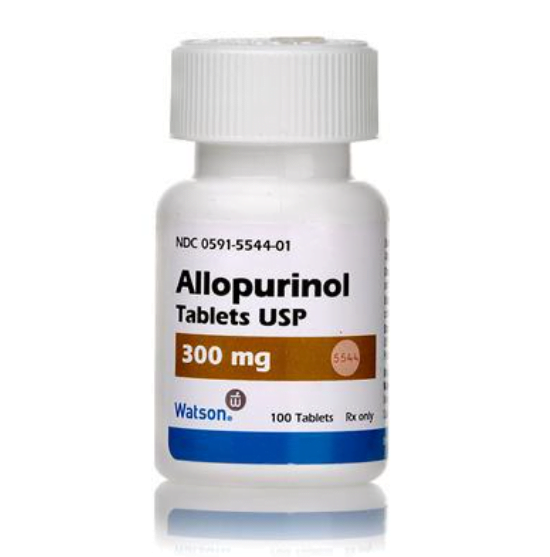
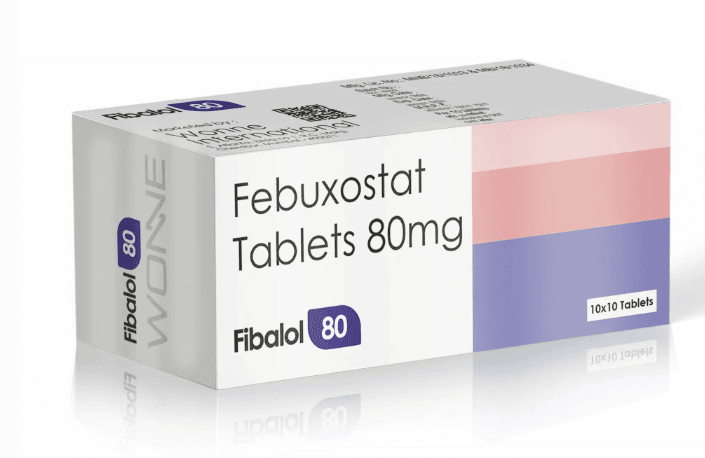
Common treatment categories include urate lowering therapy (medicines that reduce urate). Examples include allopurinol guidance topics and febuxostat information resources. Some people also read about uricosuric agents (uric-acid excreting medicines) or pegloticase overview content for select situations. These medicines can have meaningful risks and interactions. A clinician and pharmacist can help interpret those risks.
For a plain-language gout overview, see CDC guidance on gout basics.
For kidney stone basics, see NIDDK patient information on kidney stones.
Quick tip: Keep an updated medication list ready before scheduling in the app.
When clinically appropriate, prescriptions can be coordinated with partner pharmacies under state rules.
Access and Prescription Requirements
Some options discussed here are prescription-only. That means a licensed clinician must evaluate the situation before any Rx is issued. Pharmacies also perform prescription verification and other required safety checks. These steps help ensure the right medicine is used for the right reason.
For Hyperuricemia-related medication discussions, clinicians may ask about gout history, kidney issues, and past reactions. They may also review current medicines that can raise urate levels. If a prescription is appropriate, fulfillment depends on state regulations and pharmacy policies. Some patients use cash-pay options, often without insurance, when that fits their needs. Others may use cash-pay options without insurance for simpler access.
Related Resources
To explore a specific medication page, browse Adenuric Medication Information for background and common discussion points. For broader learning, look for hyperuricemia patient education topics that explain terms in plain language. Hyperuricemia treatment options may include medication, lifestyle changes, and monitoring uric acid levels over time. Keeping notes on symptoms and triggers can also support clearer conversations during follow-ups.
This content is for informational purposes only and is not a substitute for professional medical advice.

Find suitable medication for Hyperuricemia
Book a telehealth visit to discuss Hyperuricemia
Find a doctor
Speciality
State

Video Visit
$69

Video Visit
$69

Video Visit
$69

Video Visit
$69

Video Visit
$69

Video Visit
$69

Speciality: Dermatology, Family Medicine, Men's Health, Urgent Care, Women's health
Speaks: English, Spanish, French, Arabic, Portuguese
Video Visit
$69

Video Visit
$69

Video Visit
$69

Video Visit
$69

Video Visit
$69

Video Visit
$69
Frequently Asked Questions
What does a high uric acid result mean?
A higher-than-expected uric acid value means urate is elevated compared with the lab’s reference range. It does not always mean there is active disease. Some people never develop symptoms, while others may have gout, kidney stones, or joint pain. Clinicians usually interpret the number along with symptoms, kidney health, other medical conditions, and current medications. If results are confusing, it can help to bring past labs and a medication list to a visit.
Does hyperuricemia always lead to gout?
No. Many people with elevated urate never develop gout. Gout happens when urate crystals form and trigger inflammation, often in joints. Risk can vary based on genetics, kidney function, diet patterns, alcohol intake, certain medications, and other health conditions. A clinician can explain whether symptoms match gout or another cause of joint pain. They can also discuss what monitoring or prevention strategies make sense for the situation.
What information is helpful before a telehealth visit about uric acid?
Having a few basics ready can make the visit more efficient. Useful items include recent lab reports, a list of current medications and supplements, and any past history of gout attacks or kidney stones. It also helps to note symptom timing, joint locations, and any clear triggers like dehydration or alcohol. If there are other conditions such as chronic kidney disease or hypertension, include those too. Clinicians can then interpret the full picture, not just one number.
Can prescriptions be coordinated through Medispress?
When a clinician determines a prescription is clinically appropriate, they may coordinate options through partner pharmacies. Dispensing depends on pharmacy requirements and state regulations. Some medications require additional verification steps, and pharmacies may review interactions or contraindication risks. Medispress supports video visits in a secure, HIPAA-compliant app, and clinicians make the medical decisions. If no prescription is appropriate, the visit can still clarify next steps and provide education.
What lifestyle topics are commonly discussed for high uric acid?
Lifestyle discussions often focus on practical, sustainable changes. Common topics include hydration, weight management when relevant, and diet patterns that reduce frequent high-purine choices. Some people review fructose-sweetened beverages and alcohol intake, since both can raise urate in certain cases. Clinicians may also discuss overall cardiometabolic health, like blood pressure and insulin resistance, because these can cluster with elevated urate. Lifestyle changes are usually framed as one part of a bigger care plan.