


Hyperpigmentation
Care Options for Hyperpigmentation
Hyperpigmentation is a common reason for uneven tone and dark spots. It can show up after acne, irritation, or sun exposure. Some people notice patchy areas on the face, while others see spots on arms or hands. This category page helps patients and caregivers browse care options and learn key terms. It also explains how prescription and non-prescription approaches may differ.
Dark marks can have many names, including melasma, sun spots, and age spots. Post inflammatory hyperpigmentation (color change after inflammation) is also common. Because several conditions can look similar, details matter. Use this page to compare options and prepare questions for a clinician.
Hyperpigmentation What You’ll Find
This collection brings together common pathways people explore for discoloration. Some options focus on pigment turnover, while others focus on preventing new darkening. Listings may include prescription therapies, over-the-counter ingredients, and supportive skincare steps. Not every option fits every skin type or concern.
Each listing typically highlights practical details for comparing choices. That can include what the ingredient is used for, what skin areas it is intended for, and what to avoid combining. You may also see notes about sensitivity, irritation risk, and photosensitivity (sun-triggered skin reactions). Those details help set expectations before a clinician visit.
Visits are conducted by licensed U.S. clinicians through secure video appointments.
- Common spot patterns, like melasma after pregnancy and acne dark marks
- Ingredient categories, such as azelaic acid, retinoids, and hydroquinone
- Non-prescription support, including sunscreen and gentle cleansers
- Procedure terms, like chemical peels, laser treatment, and microneedling
- Notes that may matter for hyperpigmentation on dark skin
How to Choose
Hyperpigmentation can come from different triggers, so the “best fit” varies. A good starting point is naming the pattern and the timeline. That helps separate sun spots from acne-related marks. It can also clarify hyperpigmentation vs melasma, which often behaves differently.
Match the spot type and location
- Face patches vs single spots, since causes can differ
- Body hyperpigmentation, including underarm hyperpigmentation and friction areas
- Recent inflammation, like acne flares or rashes, which can leave marks
- Hormone-linked patterns, including melasma after pregnancy
- Seasonality, since sun exposure can make spots appear darker
Compare ingredients and routines realistically
- Simple routines that reduce irritation and barrier damage
- Compatible pairings, like vitamin C for hyperpigmentation with daily sunscreen
- Gentler options, such as niacinamide for hyperpigmentation, for sensitive skin
- Short contact vs leave-on products, if irritation is a concern
- Time and consistency demands for a hyperpigmentation skincare routine
Quick tip: Keep a short list of new products and start dates.
If procedures are listed, focus on what the terms mean. Chemical peels for hyperpigmentation, laser treatment for hyperpigmentation, and microneedling for hyperpigmentation can each have different downtime and risks. It helps to note skin tone considerations and prior reactions. A clinician can explain whether those options are reasonable for the situation.
Safety and Use Notes
With Hyperpigmentation, irritation can sometimes make discoloration look worse. That is why many plans start with gentle skin care basics. Sun protection is also a common foundation, since ultraviolet exposure can deepen spots. Sunscreen for hyperpigmentation is often discussed alongside other options.
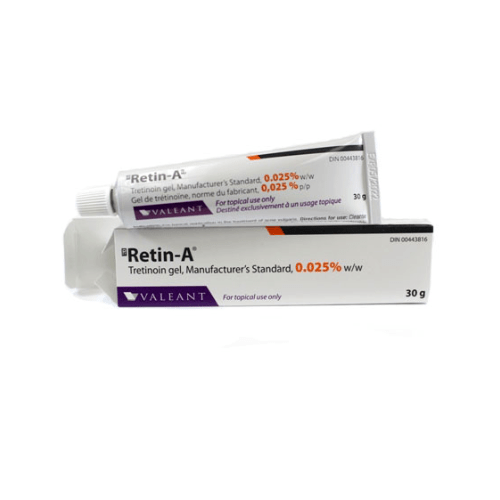
Some ingredients can cause dryness, stinging, or peeling, especially early on. Retinoids for hyperpigmentation and hydroquinone for hyperpigmentation may require careful supervision. People with sensitive skin may also react to fragranced products or harsh exfoliants. If a product burns or causes swelling, it may not be a good match.
Clinicians make the medical decisions, including whether prescriptions are appropriate.
- Pregnancy and breastfeeding status, since some options are not recommended
- History of eczema, rosacea, or easy irritation
- Current acne treatments, which may increase dryness when combined
- Medication allergies and prior reactions to skin lighteners
- Changes in moles or rapidly changing lesions, which need prompt evaluation
It also helps to set realistic goals for “how to fade dark spots.” Some discoloration lightens gradually, while some can persist. Over-treating can backfire by triggering more inflammation. A dermatologist for hyperpigmentation may be helpful when spots are widespread or stubborn.
Access and Prescription Requirements
Some options in this category are over the counter, while others are prescription-only. Prescription products require a clinical assessment and verification. If a product is Rx, it cannot be dispensed without a valid prescription. The rules can vary by medication and state.
For Hyperpigmentation concerns, a clinician may review history and visible patterns. Some visits may include photo review if images are available. Medispress supports video visits in a HIPAA-compliant app. Cash-pay access is available in many cases, often without insurance.
When appropriate, prescriptions may be coordinated with partner pharmacies, depending on state rules.
- Identity and prescription verification steps for regulated medications
- Restrictions for certain ingredients, including compound limitations in some states
- Pharmacy counseling requirements and standard medication guides when applicable
- Refills and follow-ups that depend on clinical judgment and safety needs
- Documentation expectations for ongoing skin concerns
Related Resources
If Hyperpigmentation follows acne or eczema, controlling inflammation can matter. For broader skin-care support, see How To Treat Eczema Remote Support. It explains common triggers and ways to reduce flare-related irritation. That context can help when dark marks appear after rashes.
For reputable background reading, use these references for definitions and safety framing. For a dermatologist overview, see this American Academy of Dermatology overview of hyperpigmentation. For regulated product considerations, see this FDA consumer update on skin lightening products. Bring questions from those sources into a clinician visit.
This content is for informational purposes only and is not a substitute for professional medical advice.

Find suitable medication for Hyperpigmentation
Book a telehealth visit to discuss Hyperpigmentation
Find a doctor
Speciality
State

Video Visit
$69

Video Visit
$69

Video Visit
$69

Video Visit
$69

Video Visit
$69

Video Visit
$69

Speciality: Dermatology, Family Medicine, Men's Health, Urgent Care, Women's health
Speaks: English, Spanish, French, Arabic, Portuguese
Video Visit
$69

Video Visit
$69

Video Visit
$69

Video Visit
$69

Video Visit
$69

Video Visit
$69
Frequently Asked Questions
What kinds of dark spots are included in this category?
This category covers common causes of uneven skin tone and dark spots. That includes sun spots and age spots, which often appear in sun-exposed areas. It also includes post inflammatory hyperpigmentation, which can follow acne or rashes. Melasma is included as well, since it can cause patchy facial discoloration. Listings may reference face, body, and underarm areas. The page is for browsing and education, not self-diagnosis.
How is melasma different from post-inflammatory hyperpigmentation?
Melasma often appears as larger, symmetric patches, commonly on the face. It can be linked to hormones, pregnancy, and sun exposure. Post-inflammatory hyperpigmentation happens after inflammation, like acne bumps or eczema. It often matches where the irritation occurred. The two can overlap, and they may need different approaches. A clinician can help sort patterns by timing, triggers, and exam findings. Photos can also help during a telehealth review.
What details should I compare when browsing treatment options?
Start by comparing the active ingredient and whether it is prescription-only. Next, check intended use areas, like face versus body. Look for cautions about irritation, dryness, or sun sensitivity. Also note pregnancy and breastfeeding warnings when they apply. If procedures are mentioned, compare the term and basic risks, not promises. Finally, check routine complexity, since consistency often matters. A clinician can confirm what is appropriate for a specific situation.
Do all hyperpigmentation ingredients require a prescription?
No, many commonly discussed ingredients are available over the counter. Examples include vitamin C, niacinamide, and some forms of azelaic acid. Other options may require a prescription, depending on the ingredient and strength. Hydroquinone and certain retinoids are common prescription examples. If a product is prescription-only, dispensing requires a valid prescription and verification. A licensed clinician decides whether an Rx option is appropriate.
When should dark spots be checked in person?
Consider in-person evaluation when a spot changes quickly in size, shape, or color. New bleeding, crusting, or persistent pain also needs prompt assessment. Dark spots with irregular borders or multiple colors can be important to review. A history of skin cancer increases the need for careful evaluation. Telehealth can help with triage and next steps, but it cannot replace every exam. When uncertain, an in-person dermatology exam can clarify the diagnosis.