


HPV Infection
Care Options for HPV Infection
This collection covers practical information and care pathways for HPV Infection. It is written for patients and caregivers comparing next steps. Use it to browse resources, then plan questions for a visit.
HPV stands for human papillomavirus (HPV), a very common virus. Many people notice no symptoms, while others notice genital warts. HPV includes low-risk and high-risk HPV types that behave differently.
For broader sexual health browsing, see Sexually Transmitted Infection. Care may be available through video visits with licensed U.S. clinicians.
HPV Infection: What You’ll Find
This category page pulls together resources that support informed browsing. The goal is clarity, not self-diagnosis or self-treatment. Terms are explained in both clinical and everyday language.
Common topics include HPV transmission, HPV causes, and HPV symptoms that people notice. Many resources also cover HPV prevention and HPV vaccine information. For a wider context on reproductive care topics, see Womens Health Guide.
Some entries discuss how HPV can relate to cervical, throat, or anal cancers. These discussions often use terms like oncogenic (cancer-linked) and persistent infection. For telehealth planning basics, review Virtual Doctor Visit Guide.
- Plain-language definitions for high-risk HPV and low-risk HPV
- Context on genital warts and other common skin findings
- HPV myths and facts that often cause confusion
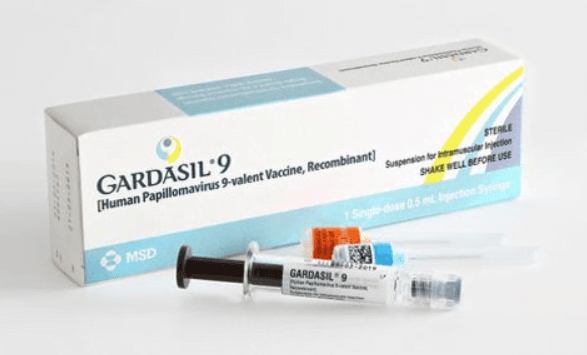
- Prevention concepts, including vaccine information for reference
- Administrative notes on care access and prescription requirements
How to Choose
When comparing options for HPV Infection, start with the main concern to address. Some people want help sorting symptoms, while others want prevention information. The best fit depends on the situation and the information available.
Quick tip: Keep symptom notes, dates, and prior records ready for scheduling.
What to compare on this page
- Whether the topic is about symptoms, prevention, or long-term risk
- Clarity on HPV types, including high-risk versus low-risk language
- Whether information applies to HPV in women, HPV in men, or both
- Notes about HPV during pregnancy and when in-person care matters
- Any mention of HPV recurrence and what follow-up questions to ask
- Signals that urgent symptoms need prompt, in-person evaluation
Questions to bring to a clinician
- Which signs are more consistent with HPV versus another condition
- How to reduce HPV transmission risk within current relationships
- What prevention steps matter most for age and health history
- What to expect from HPV management discussions over time
- When a physical exam is needed instead of a video visit
Safety and Use Notes
HPV Infection can spread through intimate skin-to-skin contact. It may spread even when symptoms are not visible. This makes the HPV contagious period hard to judge without guidance.
Symptoms can vary by HPV type and body area. Low-risk HPV may cause genital warts, while high-risk HPV may not. Persistent infections can raise the risk of HPV complications over time.
Why it matters: High-risk types can cause silent cell changes over time.
For a public health overview, see CDC HPV information. For cancer context, see NCI HPV and cancer overview.
- New, rapidly changing, or painful lesions deserve timely clinical review
- Bleeding, severe pain, or trouble swallowing may need urgent evaluation
- Immune system conditions can change risk and follow-up needs
- Online information often mixes HPV myths and facts without context
- Prevention tools exist, but no method eliminates risk in every case
Visits take place in a secure app designed to support health privacy.
Access and Prescription Requirements
Some people browse HPV Infection resources to understand care pathways. Others are looking for support with symptom concerns or prevention discussions. The right next step can depend on exam needs and local rules.
Prescription-only treatments, when relevant, require a valid prescription. Pharmacies may verify identity and prescription details before dispensing. Cash-pay options are sometimes available without insurance, depending on the service.
- Some concerns can be addressed by video, while others need an exam
- Medication options, if any, depend on clinical assessment and goals
- Pharmacy availability can vary based on state regulations and logistics
- Documentation requests can include photos, history, or prior records
When appropriate, clinicians can coordinate prescriptions through partner pharmacies, subject to state rules.
Related Resources
HPV Infection topics can overlap with other concerns and symptom patterns. If browsing other infection collections for context, start with Skin Infection or Throat Infection. Urinary symptoms may be covered under Urinary Tract Infection.
For practical telehealth preparation, review Virtual Doctor Appointment Checklist. If comparing platforms and login steps, see Doctor On Demand Notes.
This content is for informational purposes only and is not a substitute for professional medical advice.

Find suitable medication for HPV Infection
Book a telehealth visit to discuss HPV Infection
Find a doctor
Speciality
State

Video Visit
$69

Video Visit
$69

Video Visit
$69

Video Visit
$69

Video Visit
$69

Video Visit
$69

Speciality: Dermatology, Family Medicine, Men's Health, Urgent Care, Women's health
Speaks: English, Spanish, French, Arabic, Portuguese
Video Visit
$69

Video Visit
$69

Video Visit
$69

Video Visit
$69

Video Visit
$69

Video Visit
$69
Frequently Asked Questions
What can I browse on this HPV Infection page?
This category page focuses on browsing and learning, not self-diagnosis. It brings together clear explanations of common terms, symptom patterns people ask about, and prevention basics. It also includes administrative guidance about care access, including when a video visit may be reasonable. You may see links to related condition collections and general telehealth planning guides. If a topic feels urgent or severe, in-person evaluation may be more appropriate.
Is HPV the same as genital warts?
They are related, but they are not the same thing. HPV refers to a large family of virus types. Some low-risk HPV types can cause genital warts, but many HPV infections cause no visible changes. High-risk HPV types usually do not cause warts, yet they can be linked to certain cancers over time. A clinician can help interpret symptoms and discuss what they may mean in context.
How is HPV spread?
HPV is most often spread through intimate skin-to-skin contact. This can include genital, oral, or anal contact. HPV can be passed even when a person has no symptoms, which can make timing hard to pinpoint. Barrier methods can lower risk but do not remove risk completely. If questions involve partners or pregnancy, a clinician can explain common risk factors and practical next steps.
Does HPV always lead to cancer?
No. Many HPV infections clear on their own, especially in healthy immune systems. Some infections can persist, and certain high-risk types are linked to cancers of the cervix, throat, or anus. Risk depends on HPV type, persistence, immune factors, and overall health history. A clinician can explain what “high-risk” means and what routine preventive care may include for a given situation.
Can Medispress clinicians prescribe medication for HPV?
A licensed clinician can review symptoms, history, and photos if needed. When clinically appropriate, they may coordinate prescription options through partner pharmacies, following state regulations. Not every HPV-related concern has a prescription treatment, and some situations require in-person exams or procedures. The visit is a good place to discuss goals, possible options, and what follow-up might look like for ongoing management.
How is my information handled during a telehealth visit?
Telehealth visits are designed to protect health privacy while sharing necessary details. Information is typically collected through secure systems and used to support clinical decision-making. A clinician may ask for symptom history, prior records, or images when relevant. Pharmacies may also require basic verification details before dispensing prescription medications. If privacy is a concern, it helps to review app login steps and prepare a quiet space for the visit.