


Hookworm Infection
Care Options for Hookworm Infection
This category page brings together practical information and care pathways for Hookworm Infection. It is built for patients and caregivers who want clearer next steps. Explore common signs, exposure patterns, and how clinicians confirm the cause. You can also compare treatment and prevention topics, without guessing what is relevant.
Medispress connects patients to licensed U.S. clinicians through video visits. This browse page also links to nearby condition collections, so it is easier to compare similar infections. For broader context, the Roundworms And Hookworms collection can help differentiate related worm exposures.
Hookworm Infection What You’ll Find
This page focuses on plain-language navigation plus medically accurate terms. It covers how hookworm in humans spreads, what symptoms can look like, and what clinicians usually consider during evaluation. It also helps sort out look-alike problems, such as other gastrointestinal parasites and skin rashes.
Many people start with basic questions about hookworm causes and hookworm transmission. Others come in after travel, or after walking barefoot in soil risk situations. Related collections can be useful when the main concern could be another soil-transmitted helminth. Browsing Parasitic Worm Infection or Intestinal Worm Infection can add helpful comparisons.
- Symptom and exposure checklists, including skin and stomach concerns
- Definitions for hookworm lifecycle terms and common clinical phrases
- High-level hookworm diagnosis and follow-up topics
- Overview of hookworm treatment concepts, including deworming medications
- Prevention basics, including sanitation and hygiene and travel considerations
| Term | What it usually means |
|---|---|
| Ground itch rash | An itchy, irritated area where larvae entered skin. |
| Cutaneous larva migrans | A creeping rash from animal hookworm larvae under skin. |
| Parasite eggs in stool | Microscopic eggs seen on stool testing in some cases. |
| Ancylostoma duodenale | One common human hookworm species found in some regions. |
| Necator americanus | Another common human hookworm species, often in warm climates. |
How to Choose
Hookworm symptoms can overlap with many common problems. A helpful approach is to compare symptoms with exposure history. This makes a clinician visit more efficient, even when symptoms feel vague. It also supports safer decisions about what needs prompt evaluation.
Match exposures to symptoms
- Recent travel: hookworm travel health risks are higher in some tropical areas
- Soil exposure: gardening, beaches, and barefoot contact can matter
- Skin changes: itchy feet rash and localized redness may follow exposure
- Digestive symptoms: stomach pain, nausea, or diarrhea can occur
- Fatigue or weakness: hookworm anemia can develop in heavier infections
- Household context: kids’ play areas and sanitation conditions can affect risk
- Look-alikes: some issues fit a broader Gastrointestinal Infection picture instead
Why it matters: Ongoing blood loss can contribute to iron-deficiency anemia symptoms.
Plan questions for a clinician
- Which details support hookworm diagnosis versus another parasite?
- Would a stool test for parasites be useful for this symptom pattern?
- Are there warning signs that change the urgency of evaluation?
- How do age, pregnancy, or chronic conditions affect medication choices?
- What prevention steps reduce reinfection in shared environments?
Safety and Use Notes
Information online can blur together animal hookworms and human hookworms. That matters because exposures and complications differ. For example, cutaneous larva migrans often causes skin symptoms without intestinal infection. In contrast, intestinal hookworms can contribute to anemia, especially in children.
Appointments on Medispress use a secure, HIPAA-compliant app for health information. Clinicians may discuss deworming medicines such as albendazole or mebendazole, when appropriate. Medication choice depends on medical history, age, pregnancy status, and local guidance. For a public health overview, see CDC hookworm information.
- Share allergies and current medicines, including supplements and anticoagulants
- Discuss pregnancy or breastfeeding, since options may change
- Note weight loss, dizziness, or shortness of breath that could suggest anemia
- Ask how follow-up is handled if symptoms continue after treatment
- Confirm whether household or pet exposures affect prevention planning
For broader prevention context, this WHO soil-transmitted helminths fact sheet summarizes risk factors and control measures.
Access and Prescription Requirements
Some options referenced in this category may require a prescription. When prescription products are involved, pharmacies verify the prescription before dispensing. This helps ensure the medication matches a licensed clinician’s decision. It also reduces errors when names or strengths look similar.
Hookworm Infection care is often handled as a cash-pay option, sometimes without insurance. Availability of prescription coordination can vary by state rules and pharmacy policies. When clinically appropriate, prescriptions can be coordinated through partner pharmacies under state regulations.
- Telehealth is not a replacement for emergency evaluation when symptoms are severe
- Bring a list of recent travel locations and likely soil exposures
- Note timing: symptom onset versus suspected exposure date can matter
- Track prior treatments, including over-the-counter antiparasitic products
- Ask how lab results, if done elsewhere, can be shared and reviewed
Quick tip: Use filters to compare prescription status, form, and key notes.
Related Resources
If similar symptoms suggest another parasite, browsing related collections can help. People often compare Pinworm Infection and Tapeworm Infection when symptoms overlap. For visit planning, these guides can help with logistics and expectations: Virtual Doctor Appointment Checklist and Virtual Doctor Visit Guide. Hookworm Infection details can then be discussed in a structured way during evaluation.
This content is for informational purposes only and is not a substitute for professional medical advice.

Find suitable medication for Hookworm Infection
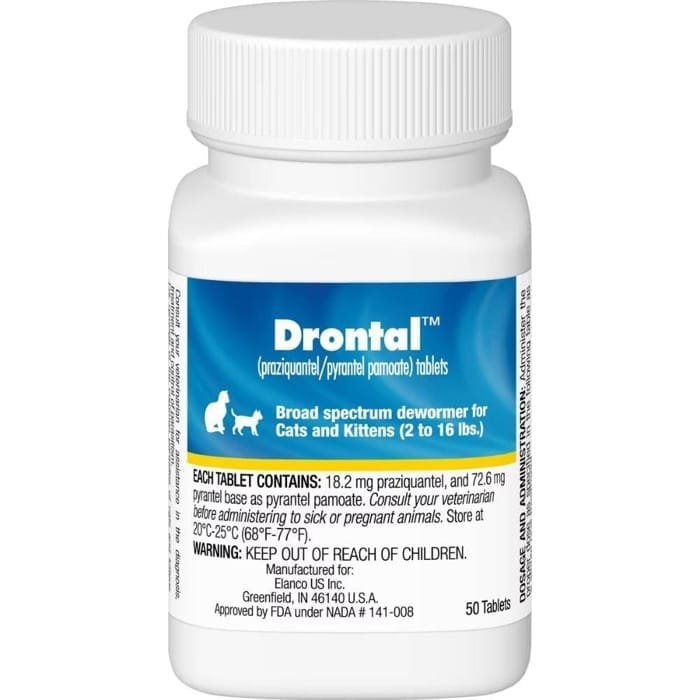


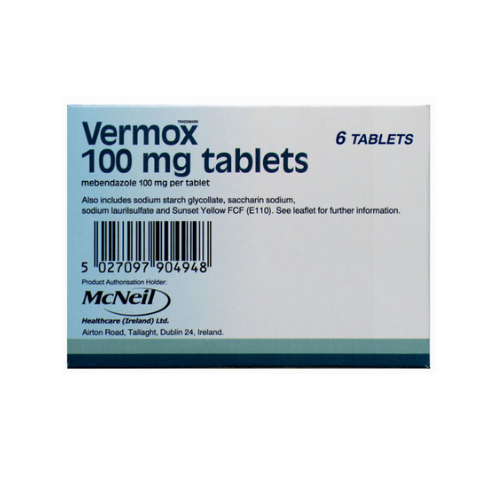
Book a telehealth visit to discuss Hookworm Infection
Find a doctor
Speciality
State

Video Visit
$69

Video Visit
$69

Video Visit
$69

Video Visit
$69

Video Visit
$69

Video Visit
$69

Speciality: Dermatology, Family Medicine, Men's Health, Urgent Care, Women's health
Speaks: English, Spanish, French, Arabic, Portuguese
Video Visit
$69

Video Visit
$69

Video Visit
$69

Video Visit
$69

Video Visit
$69

Video Visit
$69
Frequently Asked Questions
What is included on the Hookworm Infection category page?
This category page pulls together key navigation for Hookworm Infection. It may include educational summaries, related condition collections, and references to prescription pathways when relevant. The goal is to help patients and caregivers compare common symptoms, exposure patterns, and prevention topics in one place. It also points to related parasite and gastrointestinal infection categories, which can be useful when symptoms overlap. Clinical decisions still depend on an individual evaluation by a licensed clinician.
Do all deworming medicines require a prescription?
Some deworming medications are prescription-only, while other supportive products may not be. Requirements depend on the specific medication, the state where care is provided, and the dispensing pharmacy’s rules. When a prescription is needed, a licensed clinician must determine clinical appropriateness and write the prescription. Dispensing pharmacies then verify the prescription before filling. If a product is available without a prescription, it still may not be right for every situation.
What information helps a clinician assess possible hookworm exposure?
Exposure details can make a visit more efficient. Helpful items include recent travel locations, barefoot contact with soil or sand, and work or hobbies like gardening. It also helps to note skin findings, such as an itchy feet rash or a localized “ground itch” area. Digestive symptoms and fatigue are relevant, since anemia can occur with heavier infections. If any outside lab results exist, sharing the dates and facility names can help interpretation.
How is hookworm usually diagnosed?
Clinicians often combine symptoms, exposure history, and testing when needed. A common lab approach is stool testing that looks for parasite eggs in stool, sometimes across more than one sample. Blood work may also show anemia or changes in certain white blood cells, depending on the case. Test choice depends on the full picture, including timing of exposure and symptoms. A clinician can explain what results do and do not confirm.
When should symptoms related to hookworm be treated as urgent?
Urgency depends on symptom severity and overall health. Prompt evaluation is important for severe weakness, fainting, significant shortness of breath, chest pain, or signs of significant dehydration. Ongoing black or bloody stools, or symptoms that suggest severe anemia, also warrant urgent medical attention. For children, worsening tiredness, poor intake, or rapid decline should be taken seriously. Telehealth can help with triage, but emergencies need in-person care.