


HIV
Care Options for HIV
This category page supports browsing HIV-related care options and resources in one place. It focuses on practical details that help compare listings and plan next steps. Information here can also help caregivers organize records and questions for visits. Medical decisions belong with a licensed clinician who knows the full history.
Many people want clear explanations of common terms used in care. This page covers those terms in plain language, alongside clinical names. It also flags administrative steps that often come up with prescriptions. Medispress visits happen by video with U.S.-licensed clinicians.
Some people come here after a new diagnosis. Others come for ongoing care planning and refills. Either way, the goal is clearer navigation and fewer surprises.
HIV What You’ll Find
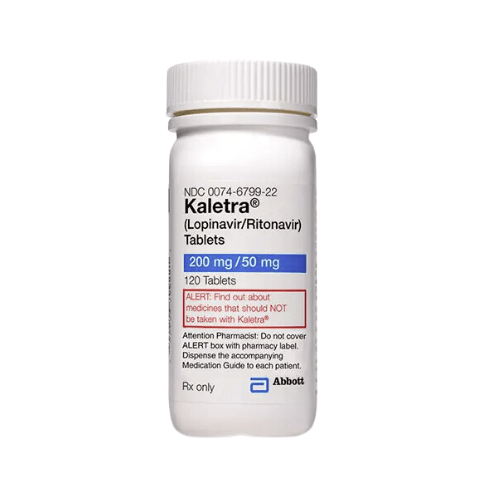
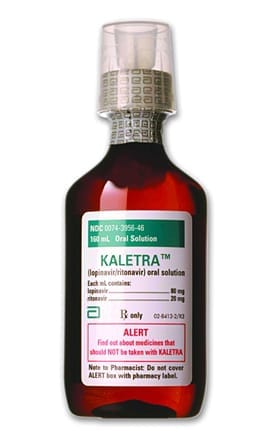
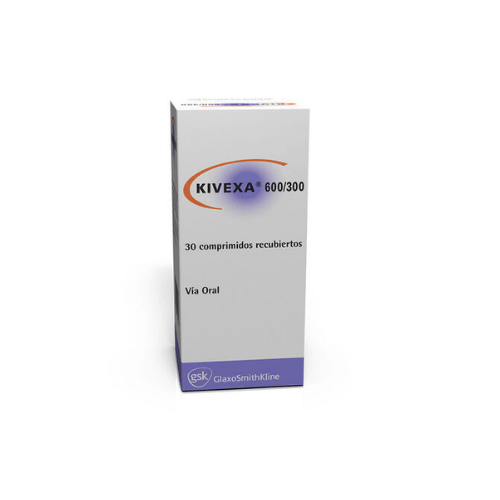
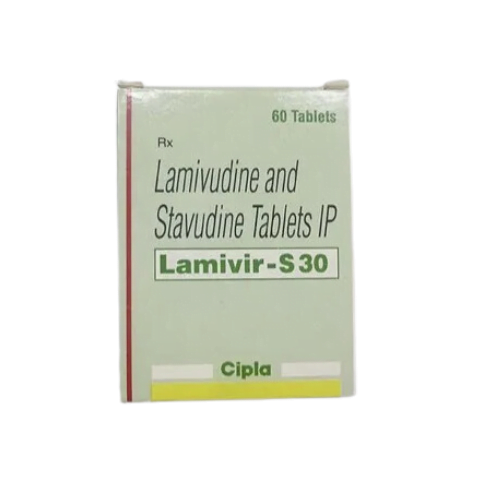
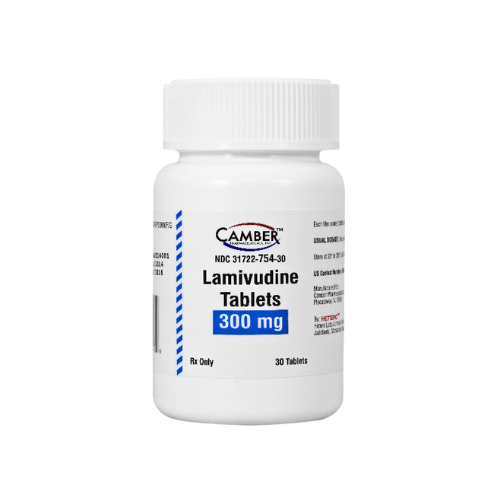
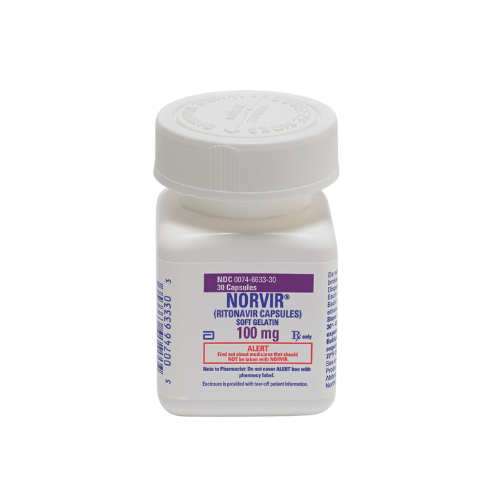
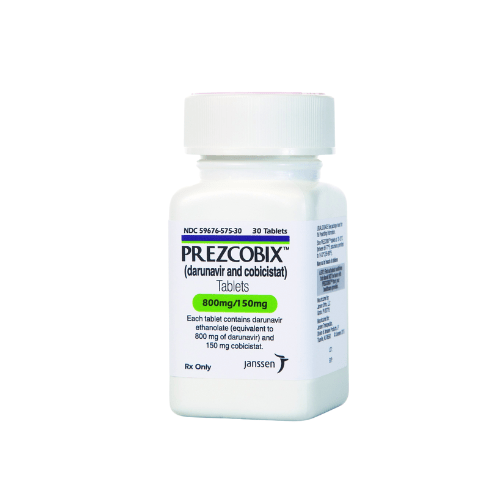
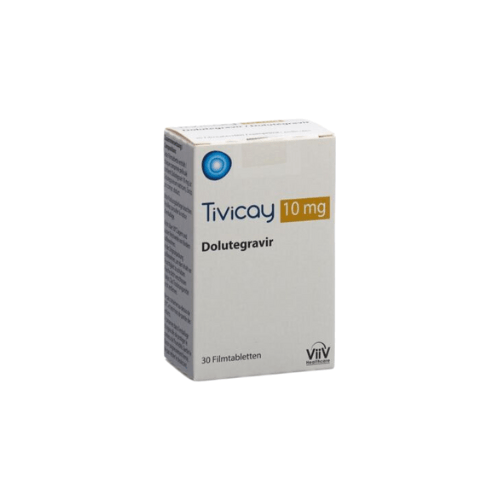
This collection may include prescription treatments used in long-term management, when available. Listings often note form factors, such as tablets or oral liquids. Many also include brand and generic names, plus basic usage notes. Side effects and interaction warnings may appear as label summaries, not personal guidance.
The page also explains key monitoring terms that often appear in care plans. Viral load means the amount of virus measured in blood. CD4 count reflects immune system strength over time. Antiretroviral therapy (ART) is a group of medicines that suppress the virus.
What’s typically included on this browse page:
- Prescription listings, where a prescription is required
- Condition-aligned education about common care terms and goals
- Notes on refill workflows and pharmacy verification steps
- General context on adherence, resistance, and interactions
- Links to nearby categories for related concerns
How to Choose
Different options can fit different care situations. HIV care often depends on prior treatment history and other health conditions. This section helps compare listings in a consistent, non-judgmental way.
Compare medication details
- Check whether the listing is prescription-only or over-the-counter
- Review active ingredients and look for duplicate ingredients across products
- Look for label sections on interactions with other prescription medicines
- Note storage requirements, like room temperature versus refrigeration
- Scan contraindications, which are “do not use” situations on labels
- Consider formulation needs, like swallowability or dosing-device requirements
Prepare for a clinician visit
- Bring a current medication list, including supplements and vitamins
- List medication allergies and prior side effects, even if they seemed mild
- Share past regimen changes and why they changed, if known
- Note other diagnoses that may affect options, like kidney disease
- Write down goals and concerns, such as confidentiality or travel needs
Quick tip: Keep one updated medication list in the phone notes app.
Safety and Use Notes
Prescription treatment works best with steady routines and follow-up. Missed doses can matter because resistance may develop over time. Medication resistance means the virus changes and some medicines work less well. A clinician can explain how resistance concerns affect choices for HIV treatment.
Some safety topics come up often in routine care. People may need extra review when taking medicines for seizures, mood conditions, or heart rhythm. St. John’s wort and some supplements can also interact with prescription therapies. Pregnancy and breastfeeding considerations may change which options are appropriate.
Appointments run in a secure, HIPAA-compliant Medispress app.
Many public health groups discuss U=U (undetectable equals untransmittable). The concept refers to sexual transmission risk when viral load stays undetectable. For U=U basics, see CDC information on viral suppression.
Why it matters: Clear definitions reduce stress during visits and refill planning.
Guidelines also cover how clinicians think about regimen selection over time. These documents change as evidence and options change. For guideline concepts, review NIH ClinicalInfo HIV guidelines.
Access and Prescription Requirements
Most long-term medications in this category require a valid prescription. Pharmacies typically verify the prescription and the prescriber, as required. Some products may also have age limits or special handling rules. Requirements can vary based on state regulations and pharmacy policies.
Cash-pay access is often available, including HIV care without insurance. Coverage questions can still affect which pharmacy is used and what documentation is needed. This page focuses on the steps that tend to be consistent, not on promises.
When appropriate, clinicians can coordinate prescriptions through partner pharmacies, following state rules.
- Expect identity and prescription verification before dispensing
- Confirm the correct strength and formulation before a refill is processed
- Keep prescriber and pharmacy contact information in one place
- Plan for prior regimen information if a switch is being discussed
- Use one pharmacy when possible to reduce interaction risks
Related Resources
For nearby browsing, the HIV and AIDS Collection can help compare closely related listings. Some visitors also arrive here while searching for skin concerns. If raised, itchy welts are the main issue, browse Hives to avoid mixed information. Keep notes organized so a clinician can review them efficiently.
This content is for informational purposes only and is not a substitute for professional medical advice.

Find suitable medication for HIV












Book a telehealth visit to discuss HIV
Find a doctor
Speciality
State

Video Visit
$69

Video Visit
$69

Video Visit
$69

Video Visit
$69

Video Visit
$69

Video Visit
$69

Speciality: Dermatology, Family Medicine, Men's Health, Urgent Care, Women's health
Speaks: English, Spanish, French, Arabic, Portuguese
Video Visit
$69

Video Visit
$69

Video Visit
$69

Video Visit
$69

Video Visit
$69

Video Visit
$69
Frequently Asked Questions
What is included on this HIV category page?
This category page groups HIV-related listings and educational context for easier browsing. It may include prescription products used in ongoing management, plus plain-language definitions of common clinical terms. Many listings also show basic product attributes, such as form and brand or generic naming. Administrative notes may cover refill workflows and standard verification steps at the pharmacy. The page does not replace a clinician’s evaluation or personalized care plan.
Do HIV medications require a prescription?
Many medications used to manage HIV are prescription-only. A licensed pharmacy generally needs a valid prescription from an authorized clinician before dispensing. Pharmacies also commonly verify prescriber details and required patient information. Some items in related collections may be non-prescription supportive products, depending on what is available. If something appears unclear on a listing, a pharmacist or clinician can clarify what is required.
Can telehealth be used for HIV care?
Telehealth can support parts of HIV care, especially medication reviews and ongoing check-ins. Video visits can also help with adherence planning and side effect discussions. Some parts of care may still need in-person services, depending on medical history and local availability. On Medispress, licensed U.S. clinicians make clinical decisions during video appointments in a secure app. When clinically appropriate, prescriptions may be coordinated through partner pharmacies, subject to state rules.
What information helps a clinician review HIV treatment options?
A complete medication list helps clinicians check for interactions and duplications. Allergy history and prior side effects can also shape safe options. Past regimen history matters, including any known reasons for changes. Notes about other conditions, like kidney or liver disease, add useful context. If pregnancy is possible or planned, that should be included as background information. Keeping these details in one place can make visits more efficient.
What is the difference between HIV and AIDS?
HIV is the virus that can weaken the immune system over time. AIDS is a later stage of infection, defined by specific clinical criteria. Clinicians often use CD4 count and certain infections or conditions to determine staging. With effective antiretroviral therapy, many people do not progress to AIDS. Terms like “viral load” and “CD4” may appear in care discussions as ways to track health trends. A clinician can explain what these terms mean for an individual situation.