


Herpes Simplex
Care Options and Resources for Herpes Simplex
Herpes Simplex is a common viral infection that can cause oral herpes (cold sores) or genital herpes. Many people have mild symptoms, or no symptoms at all. This category page helps patients and caregivers compare treatment pathways, understand key terms, and find practical resources for ongoing care.
Browse options that may come up in clinical conversations, including antiviral therapy and how it fits into day-to-day life. Visits can be completed by secure video in a HIPAA-compliant app.
Herpes Simplex What You’ll Find
This collection brings together condition-focused resources and prescription categories that often relate to HSV-1 and HSV-2. Some people look for help with first-time symptoms. Others are planning for recurrent herpes and want fewer surprises around outbreaks.
You can use this page to compare common antiviral medicines that clinicians may consider, such as acyclovir, valacyclovir, and famciclovir. The listings and linked resources also cover everyday topics like cold sores versus genital symptoms, the contagious period, and how asymptomatic shedding can affect risk.
Quick tip: Keep a simple log of symptoms, dates, and possible outbreak triggers.
- Prescription categories connected to antiviral medicines
- Plain-language explanations of HSV terms and symptom patterns
- Prevention basics, including condom use and timing considerations
- Practical topics like partner communication and living with herpes
How to Choose
People often arrive with different goals, like reducing discomfort, lowering outbreak frequency, or planning for relationships. A clinician may discuss options for Herpes Simplex based on symptom pattern, medical history, and preferences.
Match the option to your situation
- Symptom location and pattern, such as oral herpes versus genital herpes
- First recognized episode versus recurrent outbreaks over time
- How often outbreaks happen, and how disruptive they feel
- Whether the goal is episodic use or suppressive use (ongoing prevention approach)
- Any history of kidney disease, immune conditions, or medication allergies
Plan for everyday logistics
- Current medication list, including supplements, to check for interactions
- Preference for tablet size, dosing schedule, and refill cadence
- Side effects noted on the prescription label, and tolerability concerns
- Privacy needs for packaging, pickup, and pharmacy communications
- Questions to ask, including what to expect if symptoms change
Safety and Use Notes
HSV infections can look different from person to person, and other skin conditions can resemble sores. A licensed U.S. clinician makes the clinical decision on whether evaluation or a prescription is appropriate.
Understanding transmission and shedding
Herpes transmission can happen during visible outbreaks and during asymptomatic shedding (virus release without symptoms). Barrier methods like condoms can reduce risk, but they do not remove it. For a plain-language overview, see the CDC fact sheet on herpes basics from the CDC.
- Avoid sharing prescription medicines, even when symptoms seem similar
- Read the medication guide and label warnings each time it is dispensed
- Discuss new or worsening symptoms, especially eye pain or vision changes
- Ask about interactions if taking other prescription or over-the-counter products
Pregnancy considerations
Herpes in pregnancy deserves careful, clinician-led planning because neonatal herpes can be serious. People who are pregnant, trying to conceive, or near delivery should discuss symptom history and timing with an obstetric clinician. For a patient-friendly overview, see herpes in pregnancy information from ACOG.
Why it matters: Early planning helps align symptom history with delivery decisions.
Access and Prescription Requirements
Antiviral medicines for HSV are prescription-only in the U.S., and licensed pharmacies dispense them based on a valid prescription. If a prescription is appropriate for Herpes Simplex, clinicians may route it to partner pharmacies when allowed by state regulations.
Many people also look for cash-pay options, often without insurance. Availability can depend on state rules, clinician assessment, and pharmacy dispensing policies. Pharmacies may also perform standard prescription verification steps before filling.
- Have a current medication and allergy list ready for review
- Note any pregnancy status, kidney issues, or immune conditions
- Be prepared to describe symptom timing and recurrence patterns
- Confirm which pharmacy details are needed for dispensing coordination
Related Resources
If it helps to browse a more specific collection, explore the Genital Herpes category page. It can be useful when symptoms, questions, or support needs focus on genital outbreaks and prevention planning.
For cold sore topics, the guide Cold Sore Relief Guide covers common approaches people discuss with clinicians. If you are caring for a pet, the Feline Herpesvirus Infection page addresses a different virus that affects cats.
This content is for informational purposes only and is not a substitute for professional medical advice.

Find suitable medication for Herpes Simplex



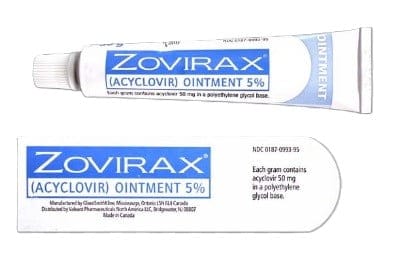
Book a telehealth visit to discuss Herpes Simplex
Find a doctor
Speciality
State

Video Visit
$69

Video Visit
$69

Video Visit
$69

Video Visit
$69

Video Visit
$69

Video Visit
$69

Speciality: Dermatology, Family Medicine, Men's Health, Urgent Care, Women's health
Speaks: English, Spanish, French, Arabic, Portuguese
Video Visit
$69

Video Visit
$69

Video Visit
$69

Video Visit
$69

Video Visit
$69

Video Visit
$69
Frequently Asked Questions
What is the difference between HSV-1 and HSV-2?
HSV-1 and HSV-2 are two types of herpes simplex virus. HSV-1 more often causes oral herpes, like cold sores. HSV-2 more often causes genital herpes. Either type can affect either location. Many people have mild symptoms, or no symptoms, and still carry the virus. A clinician can help interpret symptoms, timing, and exposure history. They can also explain what “asymptomatic shedding” means for transmission risk.
What will I see when I browse this category page?
This browse page groups resources connected to herpes simplex care. It may include prescription categories for antiviral medicines, plus educational reading about outbreaks, prevention basics, and everyday planning. Use it to compare names of commonly discussed medicines and review key terms like recurrent outbreaks and contagious periods. Links to related condition pages can help narrow the view, such as cold sores versus genital symptoms. The goal is easier navigation, not self-diagnosis.
What are common triggers for recurrent outbreaks?
Outbreak triggers vary by person, and some outbreaks have no clear trigger. Still, people often report patterns around stress, lack of sleep, intercurrent illness, friction, and sun exposure for oral cold sores. Hormonal changes can also play a role for some. Tracking timing and context can make patterns easier to discuss with a clinician. A clinician can also review whether prevention strategies or treatment plans match the frequency and impact of symptoms.
How do prescriptions work through Medispress?
Medispress connects patients to licensed U.S. clinicians for video visits in a secure, HIPAA-aligned app. The clinician reviews symptoms and history and decides what care is appropriate. If medication is clinically appropriate, the clinician may send a prescription to a partner pharmacy, depending on state regulations and pharmacy policies. A licensed pharmacy dispenses prescription medicine and performs routine verification steps. Not every visit results in a prescription.
When should herpes symptoms in pregnancy be discussed urgently?
Any new sores or new genital symptoms during pregnancy deserve prompt discussion with an obstetric clinician. Timing can matter near delivery, and clinicians may plan care to reduce newborn risk. People with a known history of HSV should also tell their prenatal care team early. Seek urgent medical care for severe symptoms such as eye pain, vision changes, high fever, or severe headache. These symptoms can signal problems that need in-person evaluation.