


Hepatitis B
Care Options for Hepatitis B
Hepatitis B is a liver infection caused by hepatitis B virus (HBV). This category page supports browsing for patients, caregivers, and care coordinators. It brings together practical information, related pages, and access pathways. The goal is to help people understand terms and options before a visit. It also helps compare what different resources cover and omit.
Topics often include hepatitis B symptoms, hepatitis B transmission, hepatitis B causes, and hepatitis B prevention. Some resources focus on the HBV vaccine, boosters, and travel planning. Others cover acute illness versus long-term infection and follow-up needs. Some listings may also describe how prescription review works when medicines are involved.
Why it matters: HBV can be silent, so clear information helps planning.
Care visits on Medispress are video-based with licensed U.S. clinicians.
Hepatitis B What You’ll Find
This collection mixes education and navigation. It may include overviews that explain HBV basics in plain language. It may also include references to prevention tools, exposure situations, and common care pathways. When medication listings appear, they usually focus on what a clinician may consider. The emphasis stays on safe, clinician-led decisions.
When reviewing items on this page, look for concrete details. That might include whether something is prescription-only, who typically uses it, and common handling notes. For example, antivirals are often discussed as long-term management options. Prevention topics can include vaccination planning and post-exposure prevention concepts.
Some sections also address special situations. Examples include pregnancy, perinatal prevention, occupational exposures, and travel risk. These topics tend to include extra coordination with prenatal or workplace care teams. They also often involve documentation requirements for schools or employers.
- Plain-language definitions for HBV terms and timelines
- Overviews of risk factors and common exposure routes
- Prevention topics, including vaccination and workplace precautions
- High-level descriptions of antiviral therapy options
- Notes to support conversations with a licensed clinician
How to Choose
When comparing Hepatitis B resources, start by naming the main need. Some people need prevention guidance for travel or work. Others need help understanding long-term infection and monitoring discussions. A smaller group may be sorting through pregnancy-related coordination. Clear labels help narrow the next steps.
Clarify the situation first
- Exposure context, such as household contact or occupational exposure
- Timeframe, since acute illness differs from long-term infection
- Vaccination history, including any past booster discussions
- Pregnancy status and delivery planning considerations
- Other liver conditions, alcohol use, or hepatitis co-infections
- Current medications, supplements, and adherence challenges
Prepare for a clinician conversation
- Which symptoms matter, and which may be unrelated
- What prevention steps fit work, school, or home settings
- What “antiviral therapy” means and when it is considered
- How follow-up is usually tracked over time
- What warning signs should be evaluated promptly
Quick tip: Keep a current medication list ready in the app.
Safety and Use Notes
Most HBV decisions depend on medical history and risk. Hepatitis B prevention often centers on vaccination and exposure planning. Some situations involve post-exposure prophylaxis, which clinicians tailor to exposure details. Treatment discussions may include antivirals like tenofovir or entecavir. These medicines are not one-size-fits-all and require clinician oversight.
Appointments run in a secure, HIPAA-compliant mobile app.
Safety topics vary by the option being discussed. Vaccine considerations can differ for people with immune conditions. Antiviral choices may depend on kidney health and other medicines. Pregnancy and breastfeeding planning can also change the risk discussion. For evidence-based background, see this neutral overview from CDC hepatitis B information.
- Share all medicines and supplements to reduce interaction risks
- Ask how liver inflammation and scarring risks are discussed
- Review pregnancy, fertility, and newborn prevention planning early
- Discuss side effects that may affect daily routines and adherence
- Confirm what follow-up documentation is needed for work or travel
Some complications can be serious, especially with advanced liver disease. Topics like cirrhosis and liver cancer are usually discussed as long-term risks. A clinician can explain how risk is assessed and revisited over time. For a global summary of HBV impacts, see this World Health Organization hepatitis B fact sheet.
Access and Prescription Requirements
Prescription-only items require a valid prescription from a licensed clinician. Some options may be discussed for education, even when not listed as products. When prescriptions are relevant, identity and prescription verification are standard safety steps. Dispensing is handled by licensed pharmacies where required. State rules can also affect which services are available.
Many people use cash-pay options, often without insurance, for simpler access. Administrative needs still apply, including accurate demographics and medication history. Visit notes may be shared with other clinicians when requested. Documentation needs may come up for employers, schools, or travel plans.
- Browse this category page and compare topics and listings
- Schedule a video visit if clinical review is needed
- Share health history and current medications during intake
- Clinicians decide what is appropriate for the situation
- Pharmacy steps follow prescription and licensing requirements
When clinically appropriate, prescriptions may be coordinated through partner pharmacies under state rules.
Related Resources
For a more focused browse experience, related condition pages can help narrow scope. The Chronic Hepatitis B page may be useful for long-term management topics. People comparing virus types may also review Hepatitis C for differences in prevention and care discussions.
Some visitors also look for pet health information by mistake. If that is the case, these pages may fit better: Infectious Canine Hepatitis and Canine Adenovirus Hepatitis. Each page has its own context and should not be mixed.
This content is for informational purposes only and is not a substitute for professional medical advice.

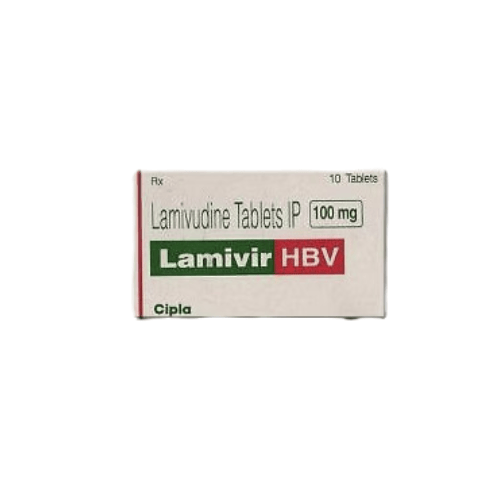
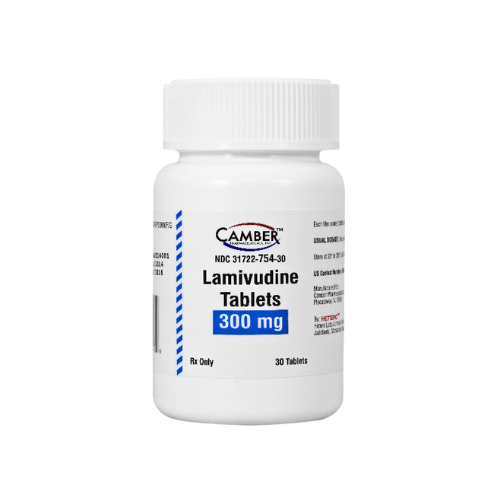
Find suitable medication for Hepatitis B

Book a telehealth visit to discuss Hepatitis B
Find a doctor
Speciality
State

Video Visit
$69

Video Visit
$69

Video Visit
$69

Video Visit
$69

Video Visit
$69

Video Visit
$69

Speciality: Dermatology, Family Medicine, Men's Health, Urgent Care, Women's health
Speaks: English, Spanish, French, Arabic, Portuguese
Video Visit
$69

Video Visit
$69

Video Visit
$69

Video Visit
$69

Video Visit
$69

Video Visit
$69
Frequently Asked Questions
What will be listed on the Hepatitis B category page?
This category page brings together HBV-related education and browsing links. Items may include definitions, prevention concepts, and summaries of care pathways. Some entries may reference prescription-only options, when appropriate for clinician review. Listings can also highlight special contexts, like pregnancy, workplace exposure, or travel planning. The goal is to make it easier to compare topics and decide what to read next.
Do hepatitis B medicines require a prescription?
Many medicines discussed for HBV care are prescription-only in the U.S. A licensed clinician must evaluate whether any medication is appropriate. Pharmacies typically require prescription verification before dispensing. Availability can also depend on state regulations and pharmacy policies. This page may include educational references to therapies, even when a specific product is not shown. Administrative steps help keep the process safe and accurate.
How is hepatitis B transmitted?
HBV can spread through contact with infected blood or certain body fluids. Common routes include sexual contact, sharing needles, and perinatal transmission during pregnancy or delivery. Transmission can also occur through occupational exposures in healthcare settings. Casual contact, like hugging or sharing utensils, is not a typical route. Prevention discussions often include vaccination, standard precautions, and exposure planning with a clinician when needed.
What is the difference between acute and chronic hepatitis B?
Acute HBV refers to a new infection, often within the first months. Some people have symptoms, while others have none. Chronic HBV means the infection persists long term and may require ongoing follow-up. Long-term infection can increase the risk of liver inflammation, scarring, and other complications. A clinician can explain how these terms are used and what follow-up usually involves for a specific history.
How is hepatitis B handled in pregnancy and after delivery?
Pregnancy adds extra planning for HBV because newborn prevention is time-sensitive. Clinicians may coordinate care between prenatal providers and pediatric teams. The approach can depend on maternal history and other risk factors. Discussions often include prevention steps for the baby and follow-up planning after delivery. This page may highlight perinatal prevention concepts at a high level, but the care plan should come from a licensed clinician.