


Heartburn
Care Options for Heartburn
This category page helps patients and caregivers compare options for Heartburn. It brings together common triggers, symptom patterns, and care pathways. It also explains when reflux-like discomfort may need faster evaluation.
Browse over-the-counter (OTC) classes, prescription-required options, and practical prevention ideas. Use this collection to understand terms like acid reflux and GERD (chronic reflux disease). The content supports planning and clearer questions for a clinician.
Medispress connects patients with licensed U.S. clinicians by video.
Heartburn: What You’ll Find
Symptoms often feel like burning behind the breastbone or a sour taste. Some people notice it after meals, bending, or lying down. Others notice it at night, with sleep disruption and coughing.
This page focuses on browsing and orientation, not self-diagnosis. It helps compare common approaches, like OTC symptom relievers and longer-acting acid reducers. It also covers day-to-day factors, like meal timing, alcohol, and portion size. For lifestyle ideas that overlap with reflux, see Simple Acid Reflux Tips.
Expect plain-language explanations alongside clinical terms. You will also see notes that help interpret common labels and requirements. That includes when a prescription may be needed, and how refills usually work.
- Common symptom patterns and likely trigger categories
- OTC categories like antacids and acid reducers
- Prescription-only options that may be listed on this page
- Food and routine factors that can worsen reflux discomfort
- Red-flag symptoms that warrant urgent evaluation
- Links to related reading within Medispress
How to Choose
Choosing among Heartburn options starts with clear, comparable details. Focus on when symptoms happen and what seems to set them off. Then compare medicine categories by how they work and how long they act.
Start with timing and triggers
- Timing: after meals, during exercise, or mainly at bedtime
- Typical triggers: spicy foods, tomato, citrus, coffee, alcohol, peppermint
- Portion size and late meals, especially within a few hours of sleep
- Body position changes, like bending or lying flat
- Related symptoms: regurgitation, cough, hoarseness, nausea
- Frequency: occasional episodes versus recurrent or daily symptoms
Quick tip:Keep a simple log of meals, timing, and symptoms for one week.
Understand common medicine categories
- Antacids: short-acting neutralizers that may ease occasional discomfort
- Alginates: barrier-forming products that can reduce reflux backflow
- H2-receptor blocker (H2 blocker): reduces acid production for several hours
- Proton pump inhibitor (PPI): lowers acid production with longer-lasting effects
- Combination approaches that may appear in product descriptions
- Non-drug supports, like wedge pillows and meal timing adjustments
Check for medication interactions and special populations. That includes pregnancy, older adults, and people with kidney disease. If symptoms persist, consider discussing patterns with a clinician.
Safety and Use Notes
Most Heartburn episodes are uncomfortable but not dangerous. Still, some symptoms overlap with more serious conditions. It helps to know which signs call for urgent evaluation.
Chest discomfort needs extra caution when it is new or severe. Seek urgent care for pressure-like pain, shortness of breath, sweating, fainting, or pain spreading to the arm or jaw. For symptom context, review Chest Pain Tips And Remedies.
Some acid-reducing medicines can interact with other prescriptions. Others are not ideal for long-term, unsupervised use. Ongoing symptoms can also suggest complications, like esophagitis (esophagus irritation). For neutral background on reflux and GERD, see NIDDK guidance on acid reflux and GERD.
Appointments use a secure, HIPAA-compliant app for video visits.
Why it matters:Persistent symptoms can signal GERD and may need a tailored plan.
- Consider extra caution in pregnancy or while breastfeeding
- Do not ignore trouble swallowing or vomiting blood
- Unexplained weight loss should be discussed promptly
- Children may present differently than adults
- Frequent nighttime symptoms can disrupt breathing and sleep quality
Access and Prescription Requirements
Some Heartburn options are OTC and available without a prescription. Other medicines require an evaluation and a prescription from a licensed clinician. Product listings and educational notes on this page can help clarify which is which.
If a prescription is needed, dispensing is handled by licensed pharmacies. Pharmacies typically verify the prescription and patient details before filling. Some people prefer cash-pay access, often without insurance, for simpler checkout. Availability can vary based on state rules and pharmacy policies.
When appropriate, clinicians may coordinate prescriptions through partner pharmacies, subject to state rules.
- OTC items: look for clear labels, ingredients, and intended use
- Prescription items: expect identity checks and standard pharmacy verification
- Refills: timing and eligibility depend on the prescription and regulations
- Shipping and pickup: options depend on the dispensing pharmacy
Related Resources
Reflux symptoms often overlap with other common concerns. Reading across topics can help with better descriptions and history. For a broad overview of what virtual care may cover, see What Telehealth Can Treat.
This collection pairs well with notes on diet patterns and sleep routines. It can also help frame questions about GERD versus occasional reflux. Use the links above to browse deeper, then return to compare options in one place for Heartburn.
This content is for informational purposes only and is not a substitute for professional medical advice.

Find suitable medication for Heartburn
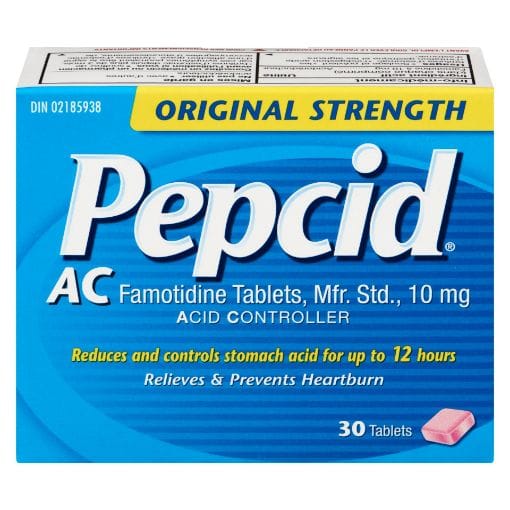
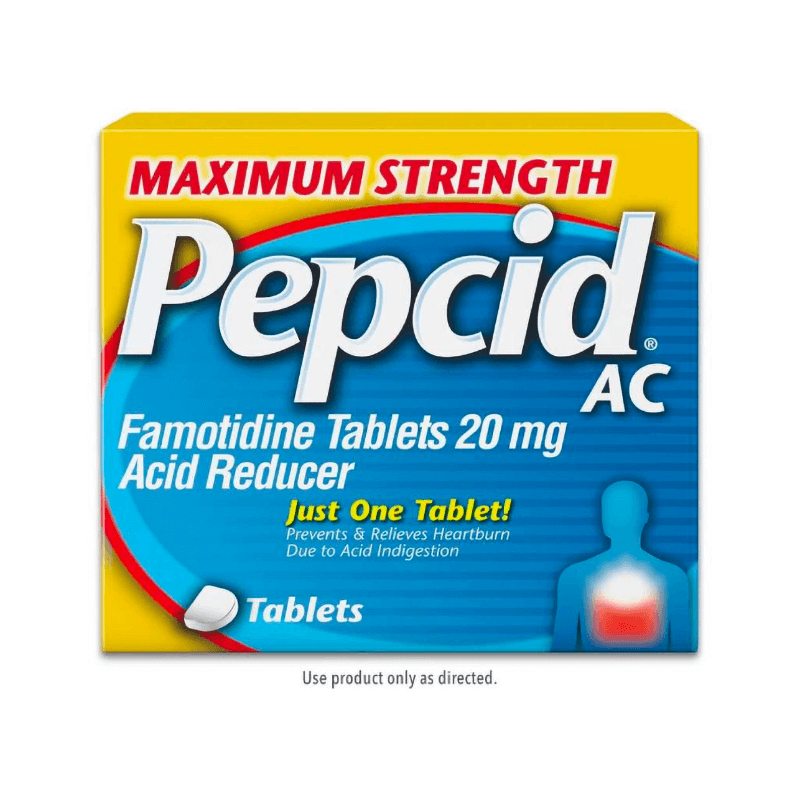
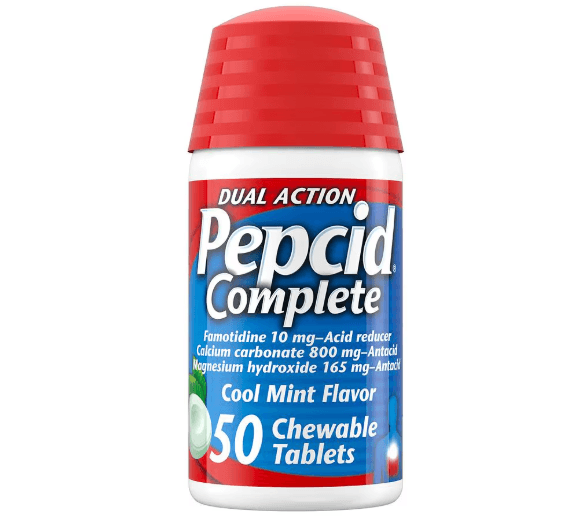
Book a telehealth visit to discuss Heartburn
Find a doctor
Speciality
State

Video Visit
$69

Video Visit
$69

Video Visit
$69

Video Visit
$69

Video Visit
$69

Video Visit
$69

Speciality: Dermatology, Family Medicine, Men's Health, Urgent Care, Women's health
Speaks: English, Spanish, French, Arabic, Portuguese
Video Visit
$69

Video Visit
$69

Video Visit
$69

Video Visit
$69

Video Visit
$69

Video Visit
$69
Frequently Asked Questions
What is Heartburn?
Heartburn is a burning feeling in the chest or throat. It often relates to stomach contents moving upward into the esophagus. People may also notice a sour taste or regurgitation. Symptoms can appear after meals, when bending, or when lying down. Occasional episodes are common, but recurrent symptoms deserve a clearer review. A clinician can help sort reflux from other causes of chest discomfort.
How is Heartburn different from acid reflux or GERD?
Heartburn describes a symptom, not a diagnosis. Acid reflux describes the process of stomach contents moving upward. GERD (gastroesophageal reflux disease) is a condition with frequent reflux symptoms or complications. Some people have reflux without a burning sensation. Others mainly feel throat irritation or cough. If symptoms are frequent, nighttime, or worsening, it helps to discuss patterns and risk factors with a clinician.
What information is helpful to track before a visit?
A short symptom log can make visits more efficient. Note timing, such as after meals or during sleep. List common triggers, including spicy foods, tomato, citrus, coffee, and alcohol. Record associated symptoms like cough, hoarseness, nausea, or trouble swallowing. Include current medicines and supplements, since interactions can matter. Also note red flags, like weight loss, vomiting blood, or severe chest pressure.
When is Heartburn an emergency?
Emergency evaluation is important when chest pain could be cardiac. Warning signs include crushing pressure, shortness of breath, sweating, fainting, or pain spreading to the arm, back, or jaw. Severe new chest pain should not be assumed to be reflux. Vomiting blood, black stools, or trouble swallowing also needs prompt medical attention. When symptoms feel unusual or intense, urgent care is the safer choice.
How do prescriptions work for reflux-related medicines on Medispress?
Some medicines are OTC, while others require a prescription. Medispress offers video visits with licensed U.S. clinicians, and they make clinical decisions. When medication is appropriate, the clinician may coordinate prescription options through partner pharmacies, based on state rules. Dispensing is handled by licensed pharmacies that verify prescriptions. Many people use cash-pay checkout, often without insurance, depending on available pharmacy options.