


Growth Hormone Deficiency
Care Options for Growth Hormone Deficiency
Growth patterns can raise questions for patients, parents, and caregivers. Growth Hormone Deficiency can affect height, body composition, and energy. Some people notice slow growth in childhood or delayed puberty. Others learn about concerns later, as adults.
This category page supports practical browsing and plain-language learning. It also helps compare common terms seen in endocrinology visits. For overlapping fatigue or nutrition questions, browse related collections like Nutritional Deficiency, Iron Deficiency Anemia, and Vitamin B12 Deficiency.
Growth Hormone Deficiency: What You’ll Find
This collection brings together condition context and medication-adjacent information in one place. It highlights terms tied to pituitary function and growth failure workups. It also explains how clinicians may describe pediatric and adult presentations.
Expect clear definitions for common phrases like IGF-1 levels, growth velocity, and short stature evaluation. Some pages also cover causes, including congenital vs acquired GHD. Pituitary disorders and GHD often appear together in clinical notes.
Video visits happen in a secure, HIPAA-compliant Medispress app.
- Plain-language overviews of GHD symptoms in kids and adults
- Common evaluation vocabulary, including growth charts and percentiles
- High-level explanations of GH deficiency laboratory tests
- Treatment terminology, such as recombinant human growth hormone
- Administrative notes about prescriptions and verification steps
How to Choose
Growth Hormone Deficiency can look different across ages and health histories. Browsing works best when the goal stays specific and practical. Many visitors start by clarifying which questions are about diagnosis, monitoring, or access.
Why it matters: A single measurement matters less than growth trends over time.
For children and teens
Families often see terms connected to growth failure workups and referrals. Pages may mention pediatric endocrinology GHD and short stature evaluation. They may also describe delayed puberty and GHD in general language.
- Growth velocity assessment over months, not a single height value
- Growth charts and percentiles, including how they get documented
- Key history points, like birth size and chronic illness patterns
- Common screening labs that rule out other explanations
- When notes mention congenital vs acquired GHD
For growth chart background, see CDC Growth Charts.
For adults
Adult evaluations may focus on symptoms, function, and prior pituitary history. Some records reference adult GHD quality of life as a discussion topic. Notes may also mention prior pituitary surgery, radiation, or head trauma.
- Medical history details that raise GHD risk factors
- Medication lists, since some drugs affect lab interpretation
- Prior imaging results, especially MRI pituitary in GHD wording
- How clinicians document fatigue, strength, and body changes
- Questions that separate adult GHD from other endocrine causes
Safety and Use Notes
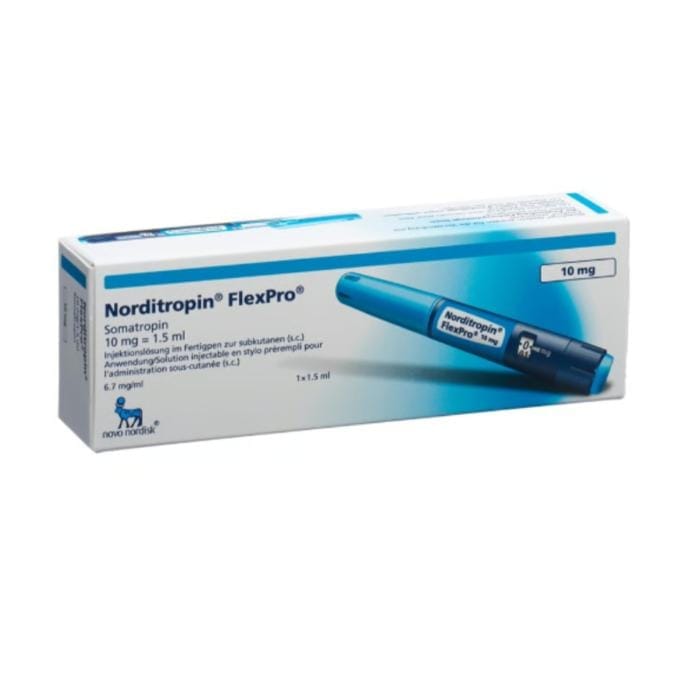
This section stays high-level and avoids dosing instructions. Growth hormone therapy overview content often references somatropin treatment information. Somatropin is a form of recombinant human growth hormone used by prescription.
Evaluation language can include growth hormone deficiency diagnosis and confirmatory testing terms. Clinicians may reference IGF-1 levels and a GH stimulation test. Not every patient follows the same pathway, and clinicians tailor testing choices.
Licensed U.S. clinicians review records and make all clinical decisions.
Common monitoring themes include tracking growth response and lab trends. Notes may mention monitoring IGF-1 during therapy to support safe ranges. Side effects of growth hormone therapy vary and require clinician review. Important safety points include not sharing prescription medicines and reporting new symptoms.
For clinical framework, see Endocrine Society Adult GHD Guideline.
Access and Prescription Requirements
Prescription status matters for many endocrine medicines in this collection. A licensed clinician must review the situation before any prescription gets issued. Pharmacies also verify prescription authenticity and patient details when required.
Growth Hormone Deficiency resources often mention labs, imaging, and prior records. Having those documents ready can reduce back-and-forth during review. Some patients use cash-pay options, often without insurance, depending on eligibility and state rules.
Quick tip: Keep recent labs and visit notes uploaded in your account.
When appropriate, prescriptions can be coordinated through partner pharmacies under state rules.
Related Resources
Many people also browse broader health topics that affect daily routines. For sleep and fatigue context, see Excessive Daytime Sleepiness Guide. For care access basics, read Why Telehealth Works. For life-stage planning, review Women’s Health Wellness Guide.
Growth Hormone Deficiency pages work best when paired with organized records. Clear dates, lab names, and prior imaging summaries support smoother reviews. This collection focuses on terminology, options, and administrative steps.
This content is for informational purposes only and is not a substitute for professional medical advice.

Find suitable medication for Growth Hormone Deficiency

Book a telehealth visit to discuss Growth Hormone Deficiency
Find a doctor
Speciality
State

Video Visit
$69

Video Visit
$69

Video Visit
$69

Video Visit
$69

Video Visit
$69

Video Visit
$69

Speciality: Dermatology, Family Medicine, Men's Health, Urgent Care, Women's health
Speaks: English, Spanish, French, Arabic, Portuguese
Video Visit
$69

Video Visit
$69

Video Visit
$69

Video Visit
$69

Video Visit
$69

Video Visit
$69
Frequently Asked Questions
What information is commonly used to evaluate possible GHD?
Clinicians often start with growth patterns, symptoms, and medical history. In children, records may include growth charts and growth velocity over time. Labs may include IGF-1 levels and other screening tests. Some evaluations use a GH stimulation test to assess hormone response. If pituitary disease is suspected, notes may mention an MRI of the pituitary. The exact workup depends on age, history, and clinician judgment.
How is Growth Hormone Deficiency different from idiopathic short stature?
Growth Hormone Deficiency refers to low growth hormone production or action. Idiopathic short stature describes short height without a clear medical cause. The labels can look similar on the surface, but the evaluation language differs. GHD discussions often include pituitary function, IGF-1, and stimulation testing. Idiopathic short stature discussions often focus on growth patterns and ruling out other conditions. A pediatric endocrinologist may help clarify documentation and next steps.
What is usually monitored during growth hormone therapy?
Monitoring plans vary by age and clinical situation. Clinicians often track growth response, symptoms, and lab trends over time. Notes may reference monitoring IGF-1 during therapy as one safety marker. Visits can also include checks for side effects and changes in overall health status. For children, documentation may include updated growth charts and pubertal staging terms. For adults, records may include functional goals and quality-of-life discussions.
Can adults be diagnosed with growth hormone deficiency?
Yes, adult growth hormone deficiency can occur. It is often discussed in people with known pituitary disorders, surgery, radiation, or head injury. Symptoms can be nonspecific, like fatigue or body composition changes. Because many conditions overlap, clinicians rely on history and appropriate testing. Records may mention IGF-1 levels and stimulation testing, depending on context. A clinician weighs risks, benefits, and alternative explanations before confirming a diagnosis.
How do prescriptions work for growth hormone-related medications on Medispress?
Medispress supports telehealth visits with licensed U.S. clinicians through a secure app. The clinician evaluates records and decides what is clinically appropriate. If a prescription is appropriate, it must meet state and federal requirements. Partner pharmacies may help coordinate dispensing when allowed by regulations. Pharmacies also perform standard prescription verification and safety checks. Availability can vary by location, medication type, and clinical documentation.