


Gout
Care Options for Gout
This category page brings together resources for people dealing with Gout. It focuses on practical details that support planning and follow-up. Use it to review common symptoms, triggers, and care pathways. It also explains how prescription access typically works for this condition.
This form of inflammatory arthritis happens when urate crystals build up in a joint. It is often linked with hyperuricemia (higher-than-normal uric acid in blood). Flares can start suddenly, with intense pain and swelling. Many people notice the big toe first, called podagra (big-toe attack). Long-standing disease may lead to tophi (firm urate deposits) under the skin.
Browse options at a steady pace and take notes for later conversations. Some people prefer cash-pay access, often without insurance, for simplicity. Others may use coverage when available, depending on the pharmacy. The goal here is clarity, not guesswork.
Gout: What You’ll Find
This collection is built for comparing information side by side. It may include prescription-related listings, education pages, and support topics. The emphasis stays on what each option is for and what to ask next. That can make flare planning and long-term prevention feel less overwhelming.
Medispress visits are video-based and led by licensed U.S. clinicians. Some listings may reference common medication categories used in flares or prevention. Examples can include anti-inflammatory options and urate-lowering therapy. When a product is shown, details typically include key use notes and basic safety reminders.
You may also see lifestyle topics that often come up in real visits. These can cover gout diet patterns, a low purine diet, and foods to avoid for gout. Triggers like dehydration or gout and alcohol can also be discussed. The aim is to support informed conversations, not self-treatment.
- Plain-language explanations of flare patterns and common triggers
- Overview notes on prescription medication categories and typical considerations
- Diet and lifestyle topics, including gout friendly foods and prevention basics
- Administrative guidance on prescriptions, pharmacy coordination, and records
How to Choose
Different resources answer different questions. It helps to start with the problem being solved today. One person may need flare context, while another needs prevention basics. For gout flare management, content often focuses on timing and symptom patterns.
Match the resource to the situation
- Whether the goal is short-term pain relief or long-term prevention planning
- Whether symptoms look like a sudden single-joint attack or a slower buildup
- History of kidney disease, kidney stones, or cardiovascular conditions
- Other medicines that could affect safety, like blood thinners
- Past reactions, allergies, or side effects with anti-inflammatory drugs
- Alcohol use patterns and likely gout triggers from routine meals
- Diet preferences that affect low purine diet feasibility over time
Questions to save for a clinician
- Which symptoms fit gout vs pseudogout, or another cause of pain
- Whether urate lowering therapy is being considered, and why
- How to interpret uric acid levels alongside symptoms and history
- How flare frequency changes the overall plan and follow-up cadence
Why it matters: A hot, swollen joint can also be infection or injury.
Safety and Use Notes
Medication information can be reassuring, but it has limits. Many drugs used for flares or prevention have interaction risks. Some options may be unsafe with certain kidney or liver conditions. Pregnancy and breastfeeding status can also change what is appropriate.
Appointments run in a secure, HIPAA-compliant Medispress app. That helps keep health details private when sharing histories and medication lists. It also supports clearer documentation of what was discussed.
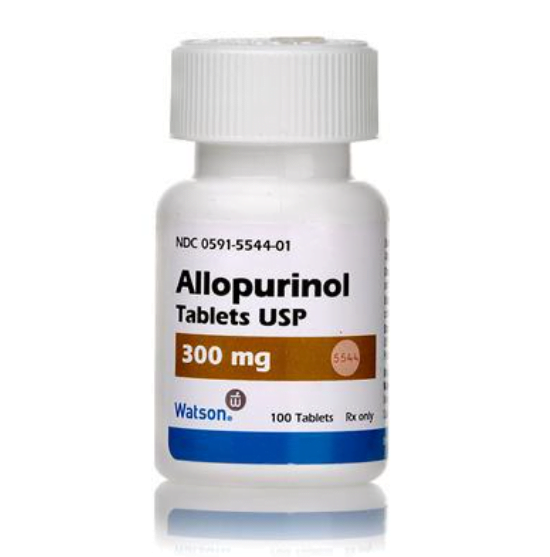
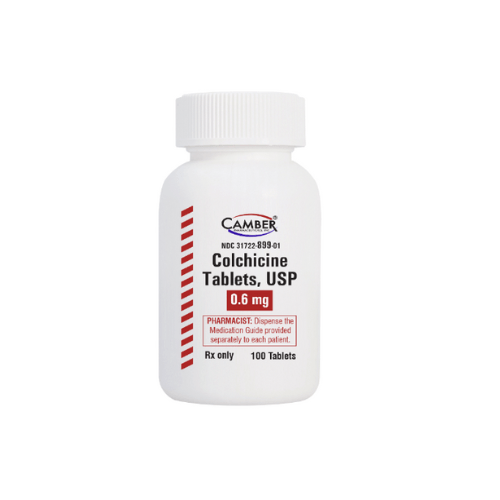
Common examples discussed in education materials include colchicine and allopurinol. These names can be familiar, yet they are not interchangeable. Some are used during acute inflammation, while others support chronic control. A clinician considers timing, comorbidities, and prior tolerance.
- Check for interactions with anticoagulants, certain antibiotics, and transplant medicines
- Review kidney function history when discussing urate-related medications
- Note GI side effects that can occur with several anti-inflammatory options
- Seek prompt evaluation for fever, spreading redness, or severe weakness
- Clarify whether symptoms suggest chronic gout or another arthritis pattern
Quick tip: Symptom and diet notes can support more focused clinician conversations.
Access and Prescription Requirements
Some treatments discussed for this condition require a prescription. If an Rx is required, a licensed clinician must review the situation first. Pharmacies typically verify prescriptions before dispensing. State regulations can also affect which services are available.
When appropriate, providers can coordinate prescriptions through partner pharmacies, following state rules. That coordination usually depends on clinical fit and local dispensing requirements. It may also depend on whether a given medication is stocked. These steps are administrative safeguards, not added hurdles.
People use different payment paths for pharmacy fulfillment. Cash-pay options are common, and sometimes chosen without insurance. Coverage rules and formularies can vary by plan and state. Keep documentation handy for whichever path is used.
- Bring a current medication list, including supplements and over-the-counter pain relievers
- Have allergy history and prior side effects written down
- Note flare timing, affected joints, and recent trigger patterns
- Keep past diagnosis summaries or visit notes available, when possible
- Confirm the preferred pharmacy location and contact details for coordination
Related Resources
Some risk factors overlap with broader metabolic health concerns. Weight changes, eating patterns, and diabetes can shape overall inflammation. For supportive reading, see Lose Weight Fast Daily Habits and Binge Eating Disorder Symptoms Causes Treatment. For medication context in diabetes care, review Benefits Of Ozempic For Weight Loss.
For an external overview of symptoms and causes, see MedlinePlus gout overview. For a clinician-reviewed summary, see Mayo Clinic gout basics. This page keeps the focus on Gout navigation and common questions to bring.
This content is for informational purposes only and is not a substitute for professional medical advice.

Find suitable medication for Gout

Book a telehealth visit to discuss Gout
Find a doctor
Speciality
State

Video Visit
$69

Video Visit
$69

Video Visit
$69

Video Visit
$69

Video Visit
$69

Video Visit
$69

Speciality: Dermatology, Family Medicine, Men's Health, Urgent Care, Women's health
Speaks: English, Spanish, French, Arabic, Portuguese
Video Visit
$69

Video Visit
$69

Video Visit
$69

Video Visit
$69

Video Visit
$69

Video Visit
$69
Frequently Asked Questions
What is included on this category page?
This browse page groups together condition-specific information and pharmacy-related navigation. It may include listings tied to common medication categories, along with educational context. It also highlights typical topics people ask about, like triggers, diet patterns, and long-term prevention concepts. Administrative notes explain how prescriptions are reviewed and sent, when required. Use it as a place to compare options and collect questions for a clinician.
Which medications are commonly discussed for gout?
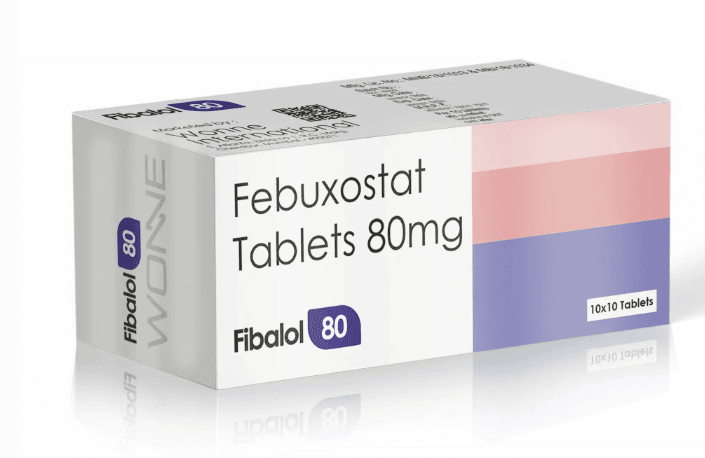
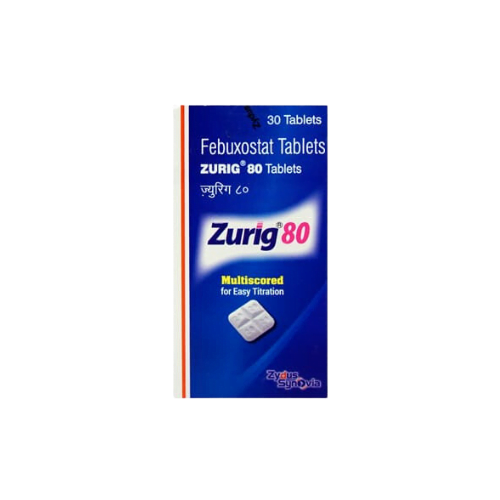
Education for this condition often mentions flare-focused anti-inflammatory options and longer-term urate-lowering therapy. Examples can include NSAIDs, colchicine, and corticosteroids for inflammation, and allopurinol or febuxostat for urate control. These options differ in purpose and safety considerations. Kidney disease, drug interactions, pregnancy status, and prior side effects can all matter. A licensed clinician decides what is appropriate for an individual situation.
How can diet and alcohol relate to gout flares?
Many resources discuss purines, alcohol, and hydration because they can affect urate balance. A low purine diet may be mentioned, along with foods to avoid for gout and gout friendly foods. Alcohol, especially in higher amounts, is a common topic in trigger discussions. Diet changes can feel confusing when mixed with other health goals. A clinician or dietitian can help interpret patterns and set realistic priorities.
When should sudden joint pain be treated as urgent?
Some symptoms need urgent evaluation because they can signal infection or another emergency. Concerning signs can include fever, rapidly spreading redness, severe weakness, or inability to bear weight. Recent injury, an open wound near the joint, or severe pain with chills also deserves prompt attention. Gout can look similar to other conditions, especially early on. When symptoms feel unusual or quickly worsen, urgent care is a reasonable option.
Do I need insurance to use Medispress telehealth or pharmacy coordination?
Insurance is not always required for access to telehealth visits or pharmacy coordination. Many people use cash-pay options, sometimes without insurance, depending on preference. Prescription requirements still apply when a medication needs an Rx. Pharmacy costs and coverage decisions depend on the pharmacy and the specific insurance plan. Keep plan details and pharmacy information available so the process stays smooth and accurate.