


Goiter
Care Options for Goiter
Goiter describes thyroid enlargement that can change the neck’s shape. It can appear as a smooth swelling or a lumpier area. Some people notice pressure, hoarseness, or swallowing discomfort. Others find it during a routine exam or imaging.
This category page supports browsing and learning for patients and caregivers. It focuses on common causes, evaluation steps, and care pathways. It also links to medication information pages often discussed in thyroid care.
Medispress visits happen by video in a secure, HIPAA-compliant app. This page does not replace medical care. It aims to make next steps clearer and less stressful.
Goiter: What You’ll Find
On this collection, the focus stays on practical, high-level information. The thyroid is a small gland in the lower neck. When it enlarges, it can do so evenly or unevenly. Clinicians often describe patterns like diffuse (even) enlargement and nodular (lumpy) enlargement.
People often want clarity on why enlargement happens. Common pathways include iodine deficiency, autoimmune thyroid disease, and growth of nodules. Some goiters are linked with overactive thyroid hormone levels. Others occur with underactive levels, including Hashimoto’s thyroiditis. A multinodular pattern can develop over time, sometimes with “toxic” hormone overproduction.
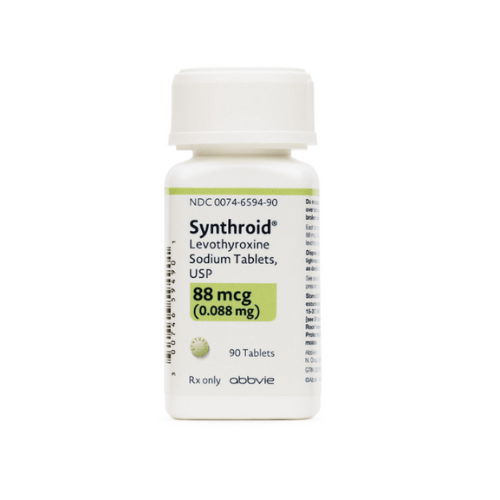
Medication pages can also help with background context. Browse thyroid hormone replacement information like Synthroid and Eltroxin. These pages typically summarize uses, safety topics, and common questions. They are not a substitute for individualized prescribing decisions.
- Plain-language explanations of thyroid enlargement patterns and terms
- Common goiter symptoms and how they get described clinically
- Typical goiter causes, including autoimmune and iodine-related factors
- Overview of goiter diagnosis steps, including labs and imaging concepts
- Care pathways, including monitoring, medication, or procedures
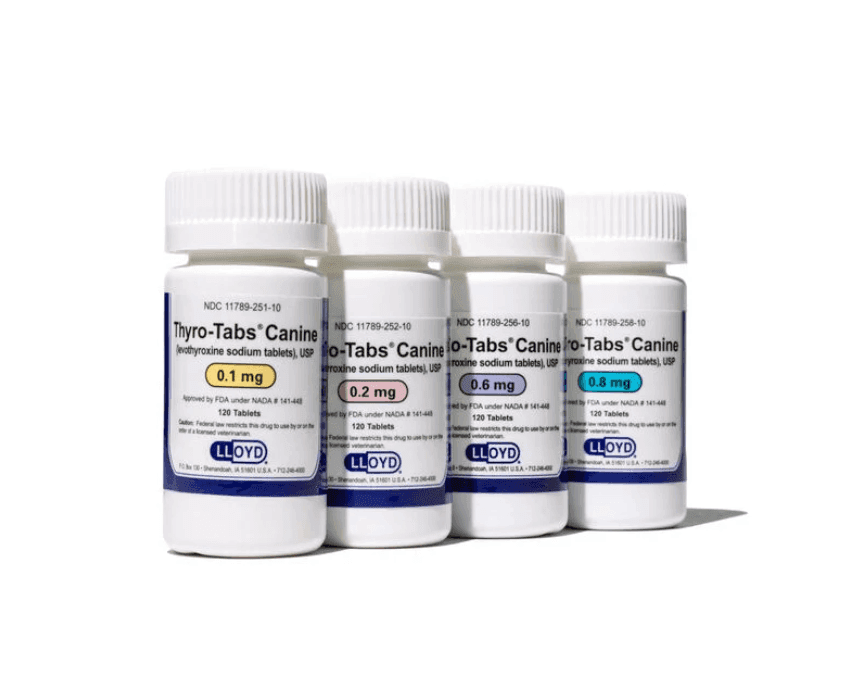
- Medication information pages used in thyroid management discussions
How to Choose
Comparing options can feel hard when swelling is visible. A Goiter workup usually starts with pattern recognition and risk review. This section helps interpret common terms seen in visit notes. It also helps plan what to ask during a visit.
Sorting common thyroid patterns
- Symptom pattern: pressure, cough, hoarseness, or no symptoms
- Neck change: even swelling versus one-sided or lumpy swelling
- Hormone status: suspected overactive, underactive, or normal function
- Risk factors: family history, iodine intake, radiation exposure, pregnancy
- Duration: stable size versus fast change over weeks
- Associated signs: tremor, heat intolerance, fatigue, weight change
- Prior history: thyroid nodules, thyroiditis, or prior lab abnormalities
Planning a productive visit
Quick tip: Bring a short timeline of symptoms and any prior thyroid results.
Many clinicians use bloodwork to estimate thyroid function and autoimmunity. Imaging like a thyroid ultrasound helps describe size and nodules. If a nodule looks concerning, a biopsy may be discussed. Questions about “thyroid nodule vs goiter” often come up here. A nodule is a distinct lump, while enlargement can involve the whole gland.
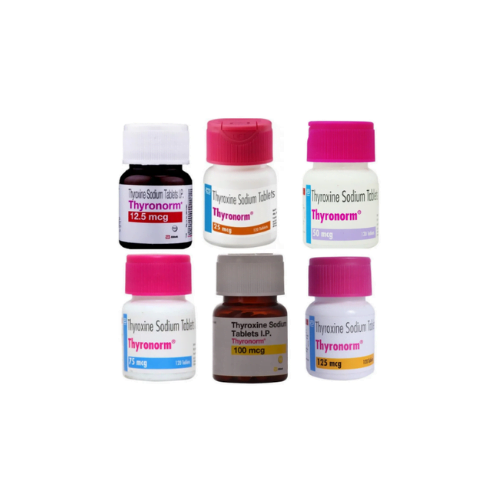
When reading medication information, focus on the basics. Look for what the medicine treats, key safety warnings, and monitoring needs. The Thyronorm page, for example, can help set expectations for how thyroid hormone medicines are described. It is still important to confirm brand-to-generic details with a pharmacist.
Safety and Use Notes
Most thyroid enlargement is not an emergency, but some symptoms need prompt evaluation. Goiter can rarely affect breathing or swallowing if it grows large. It can also signal hormone changes that need careful management. A clinician may recommend endocrinology referral for complex patterns.
Licensed U.S. clinicians review clinical history and decide which care path fits.
Why it matters: Breathing trouble with neck swelling needs urgent, in-person assessment.
- Seek urgent care for breathing difficulty, drooling, or inability to swallow liquids
- Get prompt evaluation for new, rapidly enlarging neck swelling
- Ask about hoarseness lasting more than a few weeks
- Report significant neck pain, fever, or signs of infection
- Discuss pregnancy-related thyroid changes early with a qualified clinician
Medication safety depends on the underlying thyroid state and other health conditions. Thyroid hormone replacement and antithyroid medications affect metabolism and heart rate. Interactions can occur with supplements, calcium, iron, and some acid reducers. Pregnancy and pediatric cases need extra caution and specialist input. For reputable overviews, see neutral clinical summaries from the American Thyroid Association and MedlinePlus.
Access and Prescription Requirements
Some care pathways involve prescription medication, while others focus on monitoring. Prescription status depends on the medicine and the clinical plan. Pharmacies must verify valid prescriptions before dispensing. This helps prevent errors and supports safe use.
When clinically appropriate, prescriptions may be coordinated through partner pharmacies under state regulations.
- Prescription-only medicines require a valid prescription from a licensed clinician
- Identity and prescription verification may be required before dispensing
- Refills can depend on follow-up needs and clinician judgment
- Medication substitution rules vary by state and pharmacy policy
- Cash-pay access is often available, including without insurance
Telehealth can support discussions, documentation, and care coordination. It cannot replace hands-on exams when physical findings matter. If swelling seems new or changing, in-person evaluation may be needed. For ongoing management, records from past labs and imaging often help continuity.
Related Resources
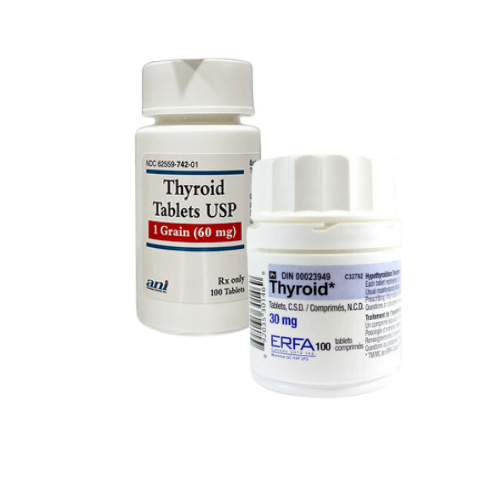
For deeper browsing, use the medication pages to compare how different thyroid medicines are presented. The Thyroid Tablets page can help clarify naming and common use contexts. It can also help frame questions about formulation, consistency, and monitoring. If notes mention a specific brand, compare against a second reference like Eltroxin for labeling language and safety topics.
If the care plan includes specialist input, it may help to ask when to see an endocrinologist. Endocrinology often supports complex hormone patterns, nodules needing risk review, and pregnancy-related thyroid changes. Keeping a simple record of symptoms and prior results supports more efficient care.
This content is for informational purposes only and is not a substitute for professional medical advice.

Find suitable medication for Goiter
Book a telehealth visit to discuss Goiter
Find a doctor
Speciality
State

Video Visit
$69

Video Visit
$69

Video Visit
$69

Video Visit
$69

Video Visit
$69

Video Visit
$69

Speciality: Dermatology, Family Medicine, Men's Health, Urgent Care, Women's health
Speaks: English, Spanish, French, Arabic, Portuguese
Video Visit
$69

Video Visit
$69

Video Visit
$69

Video Visit
$69

Video Visit
$69

Video Visit
$69
Frequently Asked Questions
What is the difference between a thyroid nodule and a goiter?
A thyroid nodule is a distinct lump within the thyroid gland. A goiter means the thyroid is enlarged overall, although it can also include nodules. Some people have a normal-sized thyroid with a single nodule. Others have enlargement that is smooth (diffuse) or lumpy (multinodular). Clinicians often use ultrasound descriptions to separate these patterns. The difference matters because evaluation and follow-up can vary by nodule features and hormone status.
What will I see on the medication pages linked from this category?
Medication pages usually provide background information, not personalized treatment plans. They often summarize what a drug is used for, common safety warnings, and typical interactions. They may also explain brand and generic naming, plus what clinicians monitor over time. These pages can help patients and caregivers prepare questions for a visit. Final prescribing decisions depend on clinical history, exam needs, and applicable state rules.
When is neck swelling considered urgent?
Urgent evaluation is appropriate when neck swelling comes with breathing trouble. The same is true for inability to swallow liquids, drooling, or severe voice changes. Fast growth over days to weeks can also need prompt assessment. Significant neck pain, fever, or signs of infection raise concern as well. Many causes are not emergencies, but it helps to treat airway symptoms as time-sensitive. In-person assessment may be required in these cases.
Can goiter occur during pregnancy or in children?
Yes, thyroid enlargement can occur during pregnancy and in children. Hormone needs can shift during pregnancy, and clinicians may monitor thyroid function more closely. In children, enlargement may relate to iodine intake, inflammation, or autoimmune thyroid disease. Evaluation often emphasizes growth, development, and family history. Medication choices and dosing decisions in these groups require extra caution. A clinician may recommend pediatric or endocrine input, depending on findings and symptoms.
Do prescriptions require verification even for cash-pay care?
Yes, prescription verification still applies when medication requires a prescription. Pharmacies typically confirm the prescriber, the prescription details, and dispensing eligibility. This helps reduce mix-ups and supports safe, compliant care. Cash-pay care (often without insurance) changes how payment is handled, not the safety checks. If a clinician determines a prescription is appropriate, coordination may occur through partner pharmacies. Requirements can vary by medication type and state regulations.