


Glucocorticoid-Induced Osteoporosis
Care Options for Glucocorticoid-Induced Osteoporosis
Long-term corticosteroids like prednisone can weaken bones over time. Glucocorticoid-Induced Osteoporosis describes bone loss linked to these medicines. This category page helps patients and caregivers browse treatment options. It also explains common terms used in steroid-induced osteoporosis care. Many people also call this glucocorticoid bone loss or osteopenia from steroids. The goal is easier comparison, not self-treatment decisions. Use this page to understand what clinicians may review and document.
Some listings focus on prescription medicines that support bone strength. Others focus on screening topics like bone mineral density testing and fracture risk assessment. Many care plans also include fall prevention strategies and lifestyle and exercise for bone health. Each person’s risk depends on age, history, and steroid exposure. Clinicians follow glucocorticoid osteoporosis guidelines and individual health details.
Glucocorticoid-Induced Osteoporosis: What You’ll Find
This collection brings together medication-focused pages and practical education. It helps compare common medication classes used in corticosteroid osteoporosis management. Examples may include bisphosphonate therapy (bone-strengthening medicine). These pages can help clarify why a medicine is prescribed and what monitoring may look like.
Medication pages often summarize key label points, typical use-cases, and major precautions. For example, browse the Alendronate page for a structured overview. The page format supports reading first, then deciding what to discuss. That includes fracture history, current steroid dose, and other conditions.
- Medication summaries and comparison-friendly details
- Plain-language explanations of clinical terms and risks
- Notes on screening recommendations and monitoring bone density
- Administrative basics for prescriptions and verification
- Links to trusted organizations for deeper guidance
Medispress visits happen by video with licensed U.S. clinicians.
How to Choose
Choosing among options often starts with risk and practicality. Clinicians may consider prednisone osteoporosis risk alongside bone density results. They may also weigh prior fractures, age, and other medications. This section highlights common decision points to discuss and compare.
Bring the right clinical context
- Current glucocorticoid type, dose, and expected duration
- Any history of spine, hip, or other nonvertebral fractures
- Past bone mineral density testing and trend over time
- FRAX (fracture risk tool) inputs, when clinicians use it
- Menopause status, thyroid disease, or other secondary osteoporosis evaluation items
Quick tip: Keep a single updated medication list ready for visits.
Compare medication fit and follow-up needs
- Route and schedule differences across similar medicines
- Instructions that affect daily routines, like timing with meals
- Potential stomach or swallowing concerns with oral therapies
- How clinicians plan monitoring, including DEXA (bone density scan) timing
- Whether bone turnover markers may be tracked in some cases
For Glucocorticoid-Induced Osteoporosis, it helps to compare follow-up plans. Pages may also note when vertebral fracture prevention becomes a priority. Some people need closer review during high-dose or prolonged steroids. Clinicians also consider pediatric glucocorticoid bone health and postmenopausal risk patterns.
If a medication name is unfamiliar, open its page first. The Risedronate listing is one example of a medication overview format. Use those details to form questions, not to make changes alone.
Safety and Use Notes
Medicines for steroid-related bone loss can help some people. They can also carry meaningful risks and limitations. Label directions and clinician guidance matter, especially with other illnesses. Some risks relate to the stomach, kidneys, or dental health. Pregnancy and breastfeeding also change what is appropriate.
Why it matters: Early risk review can reduce avoidable fracture complications.
- Share allergies, kidney disease, and swallowing problems during review
- Ask how to handle missed doses, based on the official label
- Discuss calcium and vitamin D intake as part of a full plan
- Report new thigh, hip, or jaw symptoms without delay
- Never stop steroids suddenly without clinician guidance
Telehealth tools can support education and follow-up between scans. Still, imaging and labs may happen at local facilities. Clinicians often use DEXA trends, history, and risk factors together. They may also follow ACR recommendations osteoporosis for certain groups. The app uses HIPAA-aligned safeguards for telehealth communications.
For evidence-based background, see this overview of guideline updates from American College of Rheumatology clinical practice guidelines. Use it as a reference when reading screening recommendations.
Access and Prescription Requirements
Many osteoporosis medicines require a prescription in the U.S. Prescription referral platforms typically verify eligibility and prescription details. Dispensing happens through licensed pharmacies when medications are appropriate. Requirements can vary by state and by medication type.
Some people use cash-pay options, often without insurance, when available. The right choice depends on clinical need and local rules. A video visit can document history, current steroids, and prior results. Clinicians make all clinical decisions, including whether treatment is appropriate.
- Have your steroid name and start date available
- Upload prior DEXA results or note where they were done
- List fractures, falls, and related imaging if available
- Include dental plans, surgery history, and major diagnoses
- Bring a full medication list, including supplements
When appropriate, clinicians can coordinate prescriptions through partner pharmacies under state regulations.
Related Resources
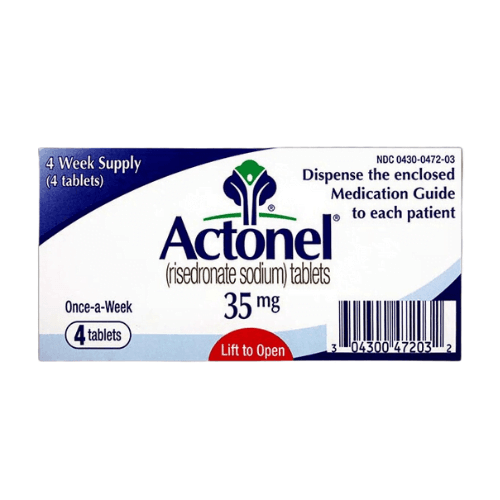
Use the links below to keep browsing within this collection. Each medication page explains terminology and common comparison points. If a clinician mentions a brand name, the Actonel page may help with name recognition and class context. For broader education, reputable organizations also summarize osteoporosis basics in plain language.
- For patient-friendly bone health education, review materials from Bone Health & Osteoporosis Foundation.
- To understand formal recommendations, compare notes with ACR guidance and clinician advice.
This content is for informational purposes only and is not a substitute for professional medical advice.

Find suitable medication for Glucocorticoid-Induced Osteoporosis
Book a telehealth visit to discuss Glucocorticoid-Induced Osteoporosis
Find a doctor
Speciality
State

Video Visit
$69

Video Visit
$69

Video Visit
$69

Video Visit
$69

Video Visit
$69

Video Visit
$69

Speciality: Dermatology, Family Medicine, Men's Health, Urgent Care, Women's health
Speaks: English, Spanish, French, Arabic, Portuguese
Video Visit
$69

Video Visit
$69

Video Visit
$69

Video Visit
$69

Video Visit
$69

Video Visit
$69
Frequently Asked Questions
What is glucocorticoid-induced osteoporosis?
Glucocorticoid-induced osteoporosis is bone loss linked to steroid medicines. These drugs include prednisone and other corticosteroids used for inflammation. Steroids can reduce bone formation and increase bone breakdown. Risk can rise with higher doses or longer use. Clinicians often review fracture history and bone density results together. They may also look for other causes of secondary osteoporosis. The goal is to reduce fracture risk while treating the underlying condition.
What can I compare on medication pages in this category?
Medication pages usually summarize what a drug is and why clinicians prescribe it. They may list the medication class, key warnings, and practical use notes. Many pages also explain clinical terms in plain language. This can help patients and caregivers prepare questions for a visit. Use the pages to compare formats, monitoring needs, and major precautions. Final decisions should come from a licensed clinician who reviews the full history.
How do clinicians assess fracture risk for people on steroids?
Clinicians often combine several inputs to estimate fracture risk. They may use bone mineral density testing results and clinical history. Some use FRAX, a fracture risk tool, adjusted for steroid exposure. They also consider age, prior fractures, smoking, and other conditions. This risk picture can shape screening and prevention plans. A score or scan result needs clinical context. A clinician can explain what the numbers mean for an individual case.
Do osteoporosis medicines for steroid use require a prescription?
Many medicines used for steroid-related bone loss require a prescription. Platforms that support prescription access typically verify identity and prescription details. Licensed pharmacies dispense medications when a prescription is approved. Requirements can differ by state and by the specific medication. A clinician may review medical history, current steroid use, and prior testing first. This helps confirm the medicine fits the situation. It also helps document safety considerations and follow-up needs.
Can telehealth visits support care for steroid-related bone loss?
Telehealth can support evaluation and follow-up for steroid-related bone concerns. A clinician can review symptoms, medication history, and prior scan results by video. They may request outside records or recommend local testing when needed. Some parts of care, like DEXA scans, still happen in person. Telehealth can also help track side effects and adherence concerns. Clinicians decide whether treatment or prescriptions are appropriate. State rules can affect which services are available.