


Glaucoma
Care Options and Resources for Glaucoma
Glaucoma is a group of eye conditions that can damage the optic nerve. It often relates to intraocular pressure (pressure inside the eye), but not always.
This category page brings together practical information and condition-related options in one place. It can help patients and caregivers understand terms, compare pathways, and plan next steps.
Visits are by video with licensed U.S. clinicians in our HIPAA-compliant app.
Some people notice no early changes, while others report blurred vision or eye pain. The goal here is clarity, not self-diagnosis.
Glaucoma What You’ll Find
This collection focuses on common care pathways and the words clinicians use. It also supports browsing for related needs, like eye-drop categories and procedure names.
Expect plain-language explanations for how monitoring works over time. Common examples include tonometry (eye-pressure measurement), a visual field test, and OCT (optical coherence tomography, an optic-nerve scan).
- Key terms tied to optic nerve damage and ocular hypertension (higher-than-normal eye pressure)
- Common types and how they are described in charts and referrals
- High-level glaucoma treatment options, including laser and surgery terms
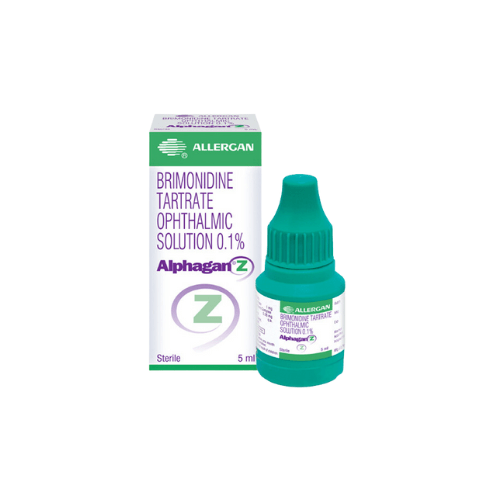
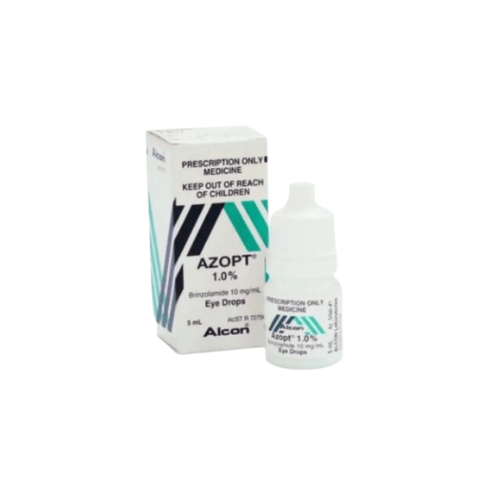
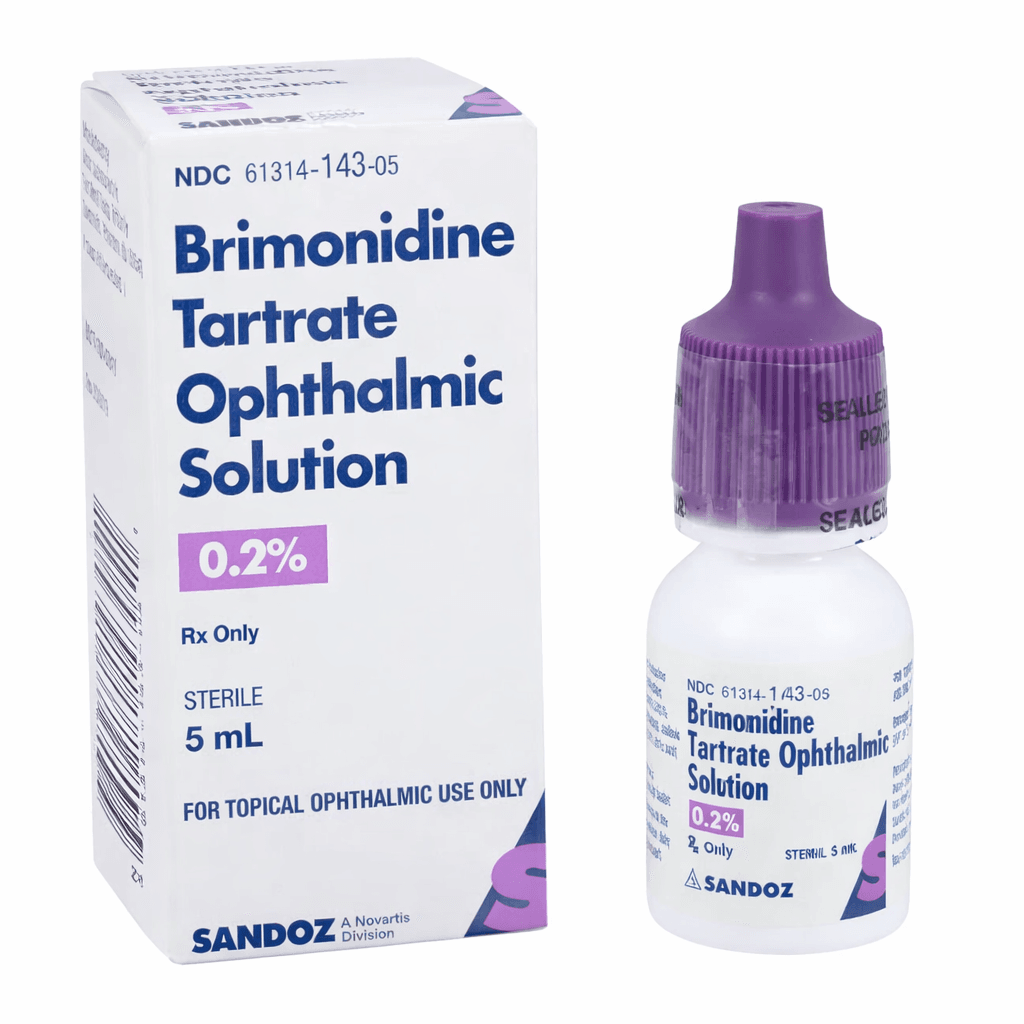
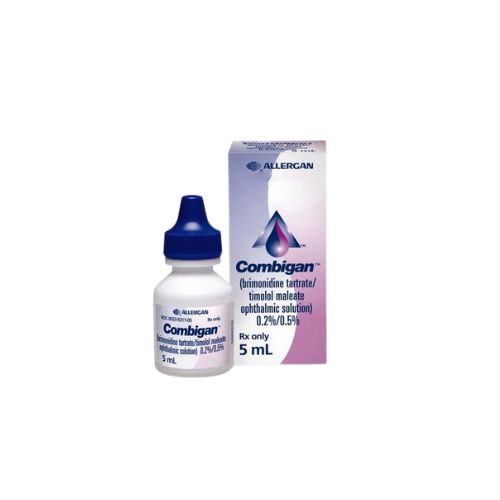
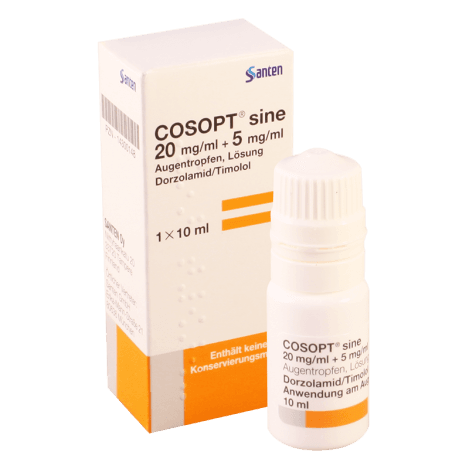
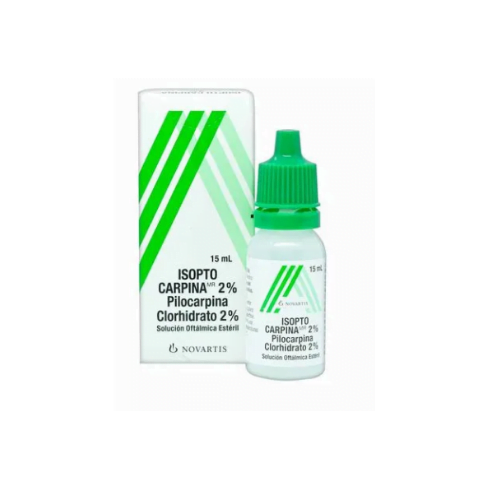
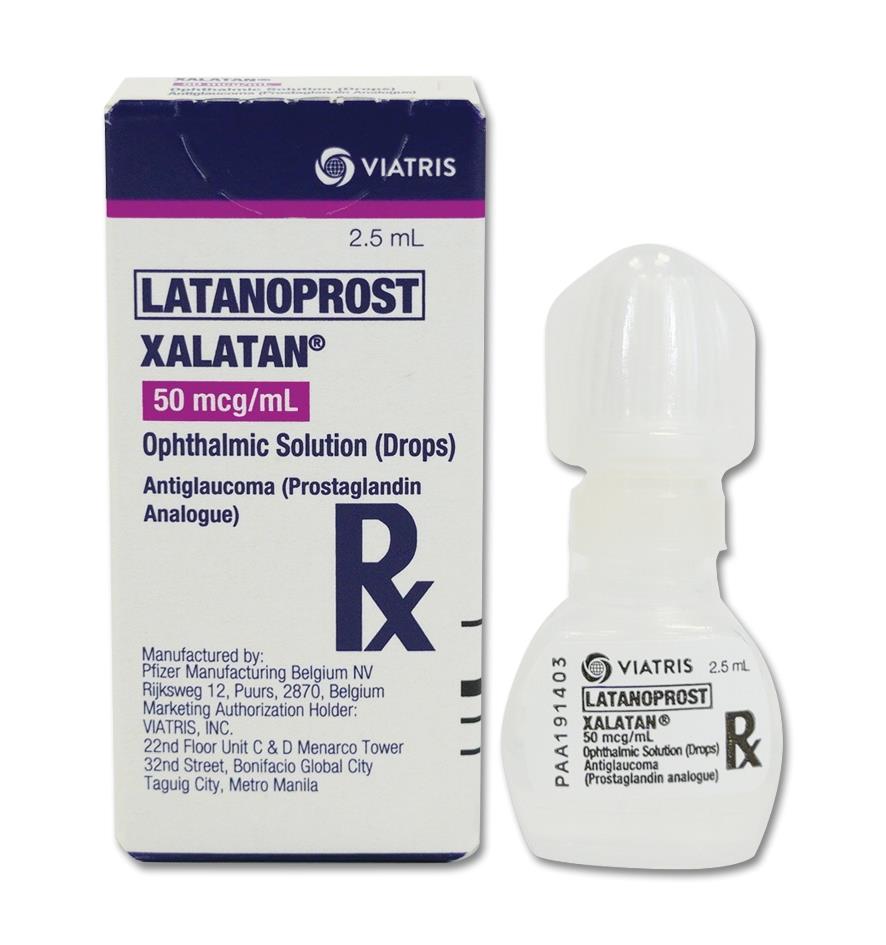
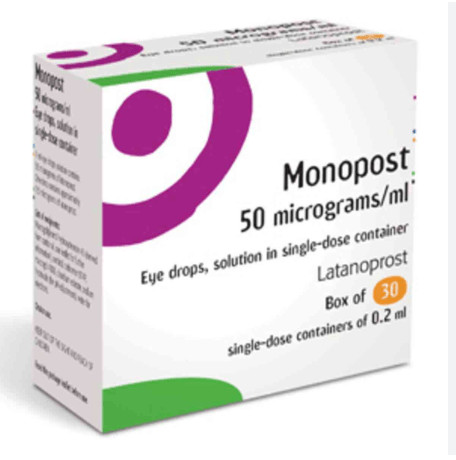
- Medication categories, including glaucoma eye drops and how labels are organized
- Care-team roles, such as ophthalmology and a glaucoma specialist
Why it matters: Slow vision changes can be easy to miss day to day.
How to Choose
Browsing is easier with a few anchors in mind. In Glaucoma care, clinicians often track pressure trends and nerve findings.
Make sense of clinical terms
- Condition type noted in records, such as open-angle, angle-closure, normal-tension, or congenital forms
- Stage language, which can describe risk and monitoring intensity
- Test terms tied to structure and function, including OCT and visual fields
- Risk factors, such as age, family history, and certain medical conditions
- Notes about optic disc appearance, cup-to-disc ratio, or nerve fiber layer
Questions that help a visit run smoothly
- What the current diagnosis label means, and what is still uncertain
- Which results matter most right now, and which are baseline reference points
- How medication lists are checked for interactions and side effects
- Whether symptoms suggest a different eye issue that needs evaluation
- What follow-up documentation should be shared with an eye clinic
Some symptoms overlap with other common eye problems. For broader context, see What Causes Blurred Vision and How To Treat Eye Pain.
Safety and Use Notes
Many Glaucoma medications are delivered as eye drops, but options can vary. A clinician can review allergies, other medications, and relevant health history.
Eye drops can cause stinging, redness, or dry-eye symptoms in some people. Some ingredients may also affect breathing or heart rate, especially in sensitive patients.
Clinicians review details and make all medical decisions during the visit.
- Ask how to read the label, including timing and storage directions
- Share contact lens use and any preservative sensitivities
- Report side effects that affect daily function, sleep, or breathing
- Keep bottles clean and avoid touching the tip to surfaces
- Know common procedure terms like laser trabeculoplasty (laser to improve drainage) and trabeculectomy (filtering surgery)
Vision goals and monitoring vary by person and diagnosis details. When questions come up, official references can help frame discussions, like the National Eye Institute glaucoma overview.
Access and Prescription Requirements
For Glaucoma, many medications require a prescription and pharmacy verification. Availability can depend on state rules and clinical appropriateness.
Some options are available as cash-pay, often without insurance. Prescription status and refills still follow the same safety checks.
If appropriate, prescriptions may be coordinated through partner pharmacies under state rules.
- A current medication list, including non-eye prescriptions and supplements
- Known allergies and prior reactions to eye drops
- Recent eye exam dates and any measured pressure results, if available
- Any prior procedures, including laser or surgery history
- Preferred pharmacy details, when a prescription is clinically appropriate
Quick tip: Keep key dates and medication names saved in one note.
Related Resources
Many people want to understand what an eye specialist means by “type” and “risk.” The Open-Angle Glaucoma page can help with that browsing context.
For general vision basics and daily habits, How To Improve Eyesight Naturally offers a broader perspective. For clinical orientation, the American Academy of Ophthalmology glaucoma page explains common terms and care roles.
This content is for informational purposes only and is not a substitute for professional medical advice.

Find suitable medication for Glaucoma




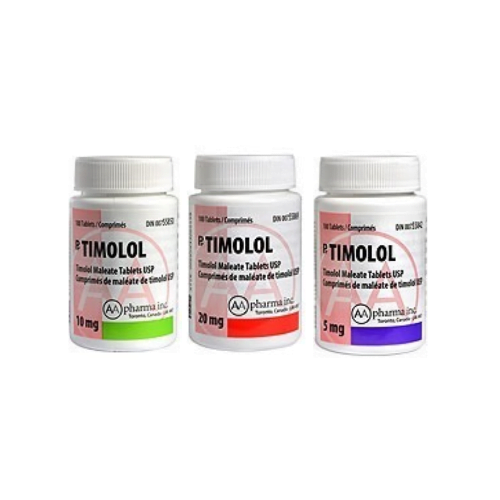
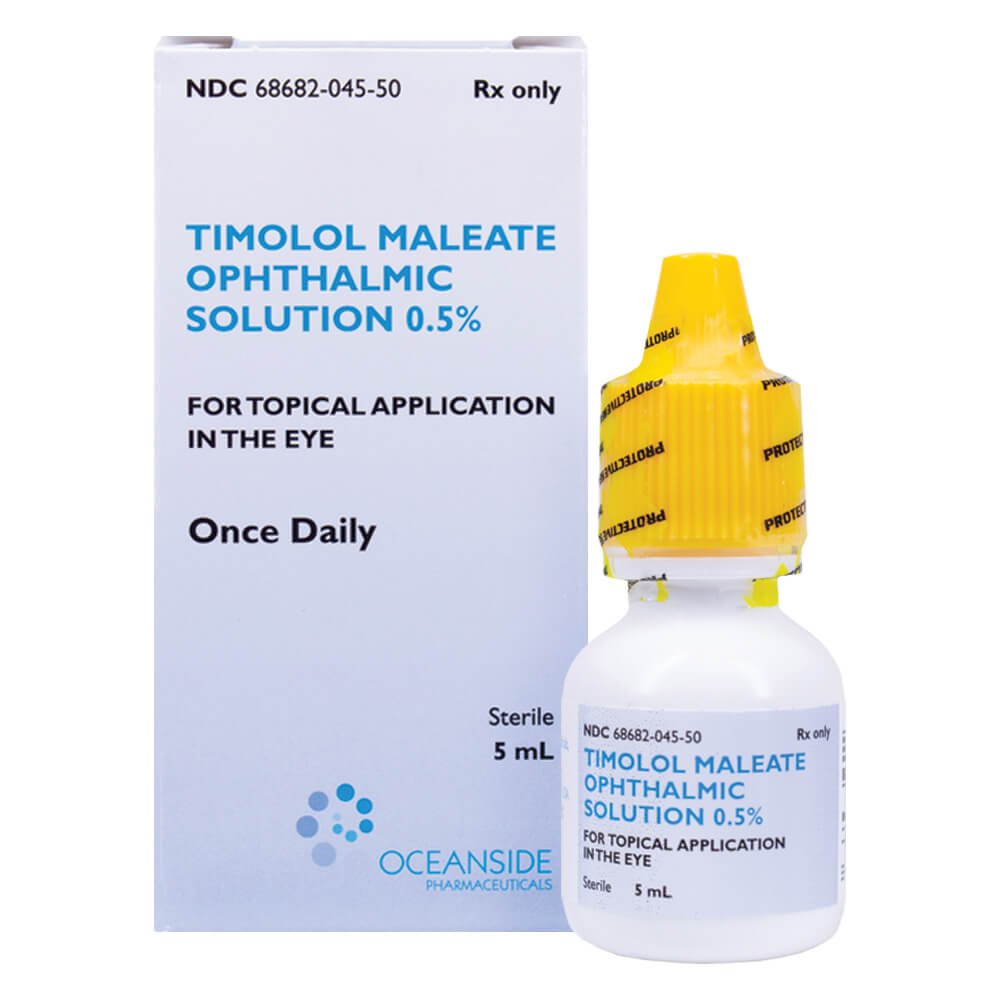
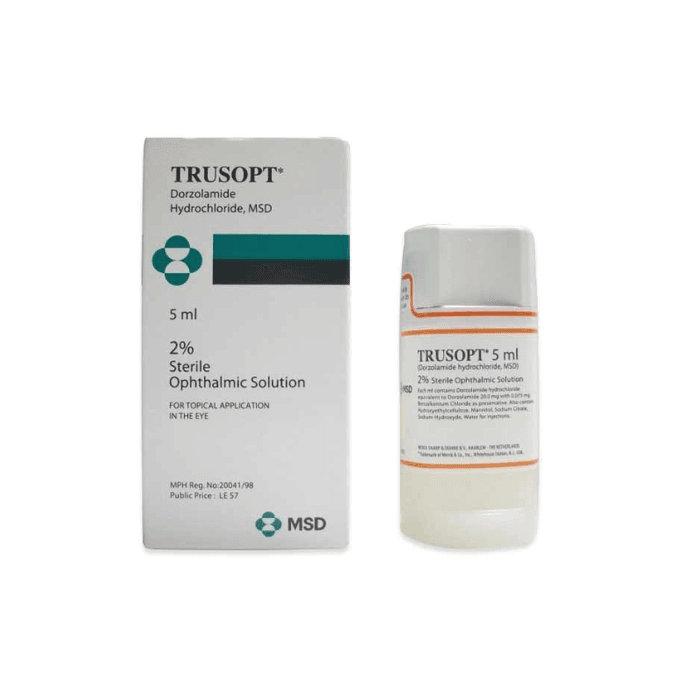
Book a telehealth visit to discuss Glaucoma
Find a doctor
Speciality
State

Video Visit
$69

Video Visit
$69

Video Visit
$69

Video Visit
$69

Video Visit
$69

Video Visit
$69

Speciality: Dermatology, Family Medicine, Men's Health, Urgent Care, Women's health
Speaks: English, Spanish, French, Arabic, Portuguese
Video Visit
$69

Video Visit
$69

Video Visit
$69

Video Visit
$69

Video Visit
$69

Video Visit
$69
Frequently Asked Questions
What can be found in the Glaucoma collection on Medispress?
This collection is meant for browsing and education around a single condition. It summarizes common terms, monitoring concepts, and care pathways that often appear in records. It may also point to related pages that explain overlapping symptoms, like blurred vision. When telehealth is available, visits happen by secure video with licensed U.S. clinicians. Clinicians decide what is medically appropriate, including whether prescriptions can be considered.
What tests are commonly used for glaucoma diagnosis and monitoring?
Clinicians often combine several checks to understand eye pressure and nerve health. Tonometry measures pressure inside the eye. A visual field test maps side vision, which can change gradually. OCT (optical coherence tomography) is a scan that measures optic nerve structure. An eye exam may also include looking at the drainage angle and the optic disc. Results are interpreted together, not as isolated numbers.
Do glaucoma treatments always involve eye drops?
Many treatment plans use prescription eye drops, but not every plan looks the same. Some patients may discuss laser options, such as trabeculoplasty, or surgery options like trabeculectomy. The right approach depends on the diagnosis type, test findings, and other health factors. A clinician can review medication history and side effects, then explain what options are typically considered in similar situations.
Can glaucoma be present without noticeable symptoms?
Yes. Many people have no clear symptoms early on, especially with open-angle type disease. Vision changes can be slow and easy to overlook. Other forms can cause more sudden symptoms, including pain or rapid vision change. Risk can be higher with family history, older age, certain medical conditions, or previous eye injury. Regular eye exams help clinicians identify changes before daily life is affected.
When do eye symptoms need urgent evaluation?
Some symptoms should be treated as urgent, even if the cause is unclear. Sudden vision loss, severe eye pain, intense headache, nausea, or new halos around lights can signal a serious problem. Rapid swelling, trauma, or a chemical splash also needs prompt care. Urgent evaluation is important because delays can increase risk of lasting damage. Emergency teams can assess pressure, inflammation, and other causes quickly.