


Giardiasis
Care Options for Giardiasis
Giardiasis is a waterborne parasite illness that can cause sudden, watery diarrhea. It is often linked to contaminated water, food, or close-contact spread. This category page brings together practical care information for patients and caregivers. It also outlines how prescription pathways may work when a clinician confirms need.
People may also hear it called giardia infection, beaver fever, or Giardia lamblia (a microscopic protozoan parasite). Symptoms can overlap with other stomach bugs and foodborne illness. That is why clear history and safe follow-up matter.
This collection focuses on what to watch for, how spread happens, and what support options exist. It is meant to help with browsing and planning. It does not replace individualized medical care.
Giardiasis: What You’ll Find
This browse page covers the basics of a giardia infection in humans. It explains common exposure patterns, like camping, travel, and daycare settings. It also summarizes typical symptom patterns, including greasy stools, gas, cramps, and fatigue.
Some people have mild or even asymptomatic giardiasis, yet still spread the parasite. Others get longer-lasting protozoan diarrhea that disrupts school or work. Clear descriptions help clinicians sort giardia from other causes of travelers diarrhea.
Visits on Medispress are completed by video with licensed U.S. clinicians.
Why it matters: Dehydration and ongoing spread are easier to prevent early.
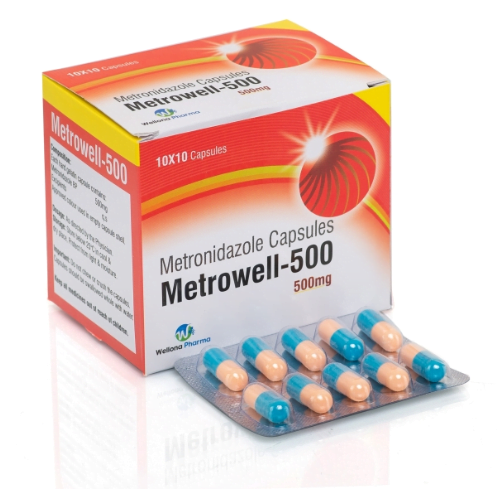
When treatment is clinically appropriate, a clinician may consider antiparasitic options. Examples include metronidazole for giardiasis, tinidazole for giardiasis, or nitazoxanide giardiasis options. This page helps explain those names at a high level, without providing dosing instructions.
- Plain-language overview of causes and transmission routes
- Common symptom patterns and how long illness may last
- Prevention steps for households, travel, and childcare settings
- Medication names that may be used for confirmed infections
- Administrative notes on telehealth evaluation and pharmacy coordination
How to Choose
Not every diarrhea illness is the same, even when symptoms look similar. For Giardiasis, context often matters as much as symptoms. Use this section to compare what information to gather before seeking care.
Exposure details that can change the workup
- Recent camping, hiking, or untreated water exposure
- Travel history, including cruise or resort water systems
- Daycare exposure or close-contact household illness
- Food handling issues or shared meals with others who are sick
- Contact with pets, farm animals, or diaper changes
Health factors to flag early
- Age group, especially giardiasis in children and older adults
- Pregnancy or breastfeeding status
- Immune system conditions or medicines that affect immunity
- Signs of dehydration, like dizziness or very low urine output
- Blood in stool, severe pain, or persistent high fever
It can also help to note the giardiasis incubation period is variable. A timeline of exposures and symptom onset supports safer decisions. If the pattern suggests a contaminated water illness, prevention steps for others become more important.
Safety and Use Notes
Diarrhea can cause fluid and electrolyte loss, especially in kids. It can also signal a different condition that needs in-person evaluation. This section highlights safety points to review while browsing options.
Some people with Giardiasis improve, then relapse after early improvement. That can happen with reinfection, incomplete clearance, or another diagnosis. A clinician can help decide whether follow-up is needed.
Appointments run in a secure, HIPAA-compliant app designed for medical privacy.
Medicines used for parasites can have side effects and interactions. For example, certain antibiotics may not mix well with alcohol. Some options also have extra cautions in pregnancy or for young children.
- Avoid sharing leftover antibiotics or using old prescriptions
- Tell the clinician about allergies and current medications
- Ask how to reduce household spread during active diarrhea
- Discuss return-to-school or return-to-work considerations
- Confirm what symptoms should trigger urgent evaluation
Quick tip: Wash hands after bathrooms, diapers, and food prep.
Prevention is also part of safety. Boiling water for giardia can reduce risk when safe water is uncertain. Water filtration for giardia may help during backcountry travel, if properly rated. These steps reduce repeat exposure and protect others in the home.
Access and Prescription Requirements
If symptoms suggest a parasite, care may involve both support and targeted treatment. For Giardiasis, prescriptions are not automatic, and clinical review matters. Some cases need in-person exams or labs based on symptoms and risk.
Clinicians make independent medical decisions and may coordinate prescriptions through partner pharmacies when appropriate.
Pharmacies follow state and federal rules for dispensing and recordkeeping. Availability can also vary by location and pharmacy inventory. Some people use cash-pay options, often without insurance, depending on their situation.
- Be ready to share symptom start dates and key exposure details
- List current medications, supplements, and any drug allergies
- Note recent antibiotics or prior episodes of similar illness
- Share hydration concerns, especially for children and older adults
- Confirm a safe callback method for follow-up questions
This page is also a place to learn terms clinicians may use, like giardiasis transmission and giardia lifecycle. Understanding how is giardiasis spread helps with prevention at home. It can also reduce anxiety when more than one person becomes ill.
Related Resources
Reliable public-health guidance can help with prevention planning for Giardiasis. For a concise overview of causes and prevention, see the CDC Giardia overview. For plain-language background and care context, review MedlinePlus giardiasis information.
While browsing, it may help to keep a short notes list. Include exposure sources, household contacts, and any travel details. That context supports clearer discussions with a clinician.
- How water and food exposures can affect risk
- Steps that reduce household transmission during illness
- Common medication names and what they are used for
- What to document if symptoms return after improvement
This content is for informational purposes only and is not a substitute for professional medical advice.

Find suitable medication for Giardiasis

Book a telehealth visit to discuss Giardiasis
Find a doctor
Speciality
State

Video Visit
$69

Video Visit
$69

Video Visit
$69

Video Visit
$69

Video Visit
$69

Video Visit
$69

Speciality: Dermatology, Family Medicine, Men's Health, Urgent Care, Women's health
Speaks: English, Spanish, French, Arabic, Portuguese
Video Visit
$69

Video Visit
$69

Video Visit
$69

Video Visit
$69

Video Visit
$69

Video Visit
$69
Frequently Asked Questions
What is giardiasis and how is it spread?
Giardiasis is an intestinal illness caused by Giardia parasites. It often spreads through swallowing contaminated water, including untreated streams or poorly treated water systems. It can also spread through food handling or close contact, especially in childcare settings. People may be contagious even with mild symptoms. Good handwashing and safer water practices reduce risk. A clinician can help assess whether symptoms fit this pattern or another cause.
What symptoms are commonly linked to giardia infection?
Many people report watery diarrhea, stomach cramps, gas, nausea, and fatigue. Stools can sometimes look greasy or foul-smelling. Symptoms may come and go, which can feel confusing. Some people have few symptoms but still carry the parasite. These symptoms also occur with viruses, food poisoning, and other infections. A clinician can sort likely causes based on exposures, timing, and overall health risks.
How long can giardiasis last?
Duration varies by person and situation. Some cases improve within days, while others last longer and cause ongoing stomach upset. Symptoms can also ease and then return, especially after repeat exposure or incomplete recovery. Dehydration risk depends on stool frequency, fluid intake, and age. If symptoms are persistent, severe, or worsening, clinical evaluation may be needed to confirm the cause and discuss next steps.
When might urgent evaluation be needed for severe diarrhea?
Certain signs can suggest dehydration or a more serious condition. Examples include fainting, confusion, very little urine, severe weakness, or inability to keep fluids down. Blood in stool, severe abdominal pain, or persistent high fever can also signal higher-risk illness. Infants, older adults, pregnant people, and those with immune system conditions may need earlier assessment. Local urgent care or emergency services can be appropriate for severe symptoms.
How do prescriptions work for suspected parasite infections on Medispress?
A prescription requires a clinical assessment by a licensed clinician. The clinician reviews symptoms, timing, and exposures to decide what care is appropriate. If medication is clinically appropriate, the clinician may coordinate prescription options through partner pharmacies, following state rules. Not every case is treated the same way, and some situations require in-person care. Keeping a clear timeline and medication list helps make the visit more efficient.