


Gestational Diabetes
Care Options for Gestational Diabetes
Pregnancy brings many new labs, visits, and nutrition questions. Gestational Diabetes is one condition that can affect blood sugar during pregnancy. This category page supports patients and caregivers who want clear, practical information. It also helps with browsing care and prescription-related options in one place.
Use this page to learn common terms, compare resource types, and plan next steps. Information here is educational and not a personal care plan. For clinical decisions, a pregnancy care team remains the best source.
Gestational Diabetes: What You’ll Find
This Gestational Diabetes collection brings together helpful navigation for common needs. Some people start here after a screening result. Others come looking for a meal plan, monitoring basics, or postpartum follow-up reminders. The goal is simple: make it easier to sort what matters, faster.
Many visitors look up gestational diabetes symptoms and risk factors first. Others want a plain-language overview of gestational diabetes diagnosis and screening terms. That may include a glucose tolerance test pregnancy workup, an oral glucose challenge test, or an oral glucose tolerance test (OGTT) pregnancy panel. It can also include related terms, like A1C in pregnancy, and how those results are interpreted.
Nutrition support is another common reason to browse. Topics often include gestational diabetes diet basics, low glycemic foods pregnancy, and carb counting pregnancy. Meal planning may include structured ideas, like this 7-Day Meal Plan Guide, plus flexible templates. Some people also compare gestational diabetes recipes for snacks and balanced meals.
- Symptom and risk-factor overviews, plus plain-language definitions
- Screening and lab terms, including OGTT and glucose challenge language
- Food planning concepts, including meal timing and carbohydrate awareness
- Monitoring concepts, like logs, meters, and CGM conversations
- Postpartum glucose testing and follow-up reminders to discuss with clinicians
Visits on Medispress are delivered by video with licensed U.S. clinicians.
How to Choose
Different resources fit different moments in pregnancy. Some content helps with understanding labels and lab terms. Other content helps with day-to-day organization, like meals and tracking. When browsing, it helps to match the resource to the question.
Match the resource to the decision
Some pages focus on education and planning. Others focus on care access and documentation needs. That difference matters when time is limited.
- For screening questions, look for clear definitions and normal ranges context
- For food planning, look for realistic portions and repeatable meal patterns
- For tracking, look for examples of logs and what clinicians usually review
- For postpartum planning, look for follow-up timing topics to discuss
- For risk discussion, look for balanced explanations of uncertainties
Questions to bring to a clinician visit
These prompts can support a more focused visit. They are not a substitute for individualized medical guidance.
- Which gestational diabetes guidelines does the clinic follow, and why?
- What blood sugar targets pregnancy are used for fasting and after meals?
- How is fasting blood sugar pregnancy interpreted across different weeks?
- When is insulin in pregnancy considered, and what are alternatives?
- Is continuous glucose monitoring pregnancy appropriate for this situation?
- How do preeclampsia and gestational diabetes risks change monitoring needs?
Why it matters: Clear questions can reduce confusion during busy prenatal visits.
For prevention-focused browsing, compare lifestyle risk factors and context. This guide on Prevent During Pregnancy can help frame common themes. It also helps explain what “prevention” can realistically mean in practice.
Safety and Use Notes
Gestational Diabetes management often includes nutrition changes and monitoring. Some people also use medications as part of gestational diabetes treatment. Only a clinician can decide what is appropriate during pregnancy. That includes decisions about insulin, oral medications, or monitoring technology.
Understanding possible complications can also guide planning. Clinicians may discuss gestational diabetes complications and risks to baby gestational diabetes in plain terms. These topics can feel stressful, so it helps to focus on what is actionable. That usually includes keeping appointments, sharing logs, and asking about next-step thresholds.
- Many people have few symptoms, even with elevated glucose
- High blood sugar (hyperglycemia) can still cause concerning symptoms
- Some medications and supplements are not recommended in pregnancy
- Monitoring devices can have limitations, including sensor lag and errors
- Postpartum follow-up matters, even when pregnancy glucose normalizes
For symptom context, see Hyperglycemia Warning Signs.
For evidence-based overviews, start with neutral clinical references. A good place is ACOG’s gestational diabetes FAQ for common definitions. Another is CDC guidance on gestational diabetes for broad risks and follow-up topics.
Clinical decisions on Medispress are made by the treating clinician.
Access and Prescription Requirements
Some people browse this category to understand access steps. Others are comparing support options for monitoring or follow-up. When prescriptions are involved, requirements can vary by product type and state rules. This page is meant to clarify the administrative side.
In general, prescription-only medications require a valid prescription. Pharmacies typically verify the prescription and patient details before dispensing. Some patients use cash-pay options, often without insurance, when that fits their situation. Documentation from prenatal care can still matter, even with cash-pay workflows.
- Have a current medication list and allergy history available
- Keep recent lab names handy, including OGTT or glucose challenge labels
- Bring device details when discussing meters or CGM systems
- Ask how refills and follow-up are handled during pregnancy transitions
- Plan for postpartum glucose testing and postpartum gestational diabetes follow up
Quick tip: Keep one folder for labs, logs, and visit notes.
When clinically appropriate, prescriptions may be coordinated through partner pharmacies under state regulations.
Related Resources
Some readers also want context around insulin resistance and prediabetes. These pieces can help connect the dots between terms, without blending conditions. See Reverse Prediabetes Strategies and Prediabetes 7-Day Meal Plan for broader nutrition patterns.
Postpartum planning can feel like a second full-time job. For support ideas during recovery, read Telehealth Fourth Trimester. For a wider view of virtual care trends, browse Future Of Military Telehealth. Gestational Diabetes follow-up often overlaps with sleep, feeding, and visit scheduling.
This content is for informational purposes only and is not a substitute for professional medical advice.

Find suitable medication for Gestational Diabetes




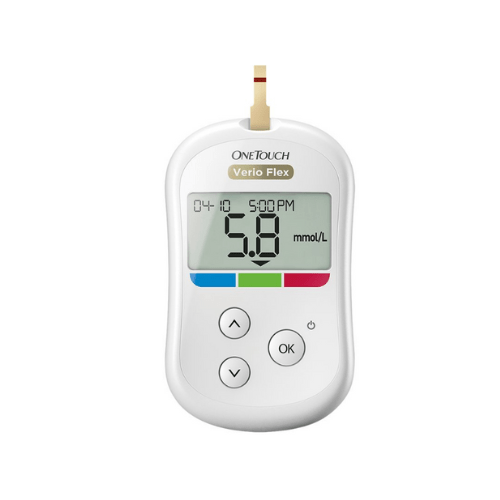
Book a telehealth visit to discuss Gestational Diabetes
Find a doctor
Speciality
State

Video Visit
$69

Video Visit
$69

Video Visit
$69

Video Visit
$69

Video Visit
$69

Video Visit
$69

Speciality: Dermatology, Family Medicine, Men's Health, Urgent Care, Women's health
Speaks: English, Spanish, French, Arabic, Portuguese
Video Visit
$69

Video Visit
$69

Video Visit
$69

Video Visit
$69

Video Visit
$69

Video Visit
$69
Frequently Asked Questions
What does this category page cover?
This browse page collects practical information related to pregnancy-related blood sugar concerns. It may include definitions, screening terms, nutrition planning concepts, and monitoring basics. It can also point to postpartum follow-up topics that often get missed. If prescriptions are relevant, the page helps explain typical administrative steps. On Medispress, site features focus on browsing, scheduling, and coordination options where allowed.
What is gestational diabetes, and how is it diagnosed?
Gestational diabetes is diabetes first recognized during pregnancy. Many people learn about it through routine gestational diabetes screening. Clinics may use an oral glucose challenge test first, then follow with an oral glucose tolerance test (OGTT) if needed. Some clinicians also review other labs, such as A1C in pregnancy, depending on history and timing. Diagnosis and thresholds can differ by guideline and practice setting.
What symptoms can occur with high blood sugar during pregnancy?
Many people have no clear symptoms, especially early on. When symptoms occur, they can include increased thirst, frequent urination, fatigue, blurred vision, or nausea. These symptoms can overlap with normal pregnancy changes, which makes interpretation difficult. Worsening symptoms, vomiting, dehydration signs, or confusion can signal more urgent problems. Symptom evaluation is best handled by a pregnancy care team or urgent services when needed.
How are diet and meal plans usually discussed for this condition?
Food guidance often focuses on steady carbohydrate intake across the day. Clinicians may discuss carb counting, meal timing, and pairing carbs with protein or fiber. Many plans emphasize low glycemic foods during pregnancy, plus consistent breakfast choices. Meal plans are usually adjusted based on glucose logs and pregnancy stage. A registered dietitian or diabetes educator may also be involved when available.
Can telehealth be used alongside prenatal care?
Telehealth can support education, follow-up conversations, and care coordination. It does not replace needed in-person prenatal visits, labs, or imaging. On Medispress, video appointments happen in a secure, HIPAA-aligned app with licensed U.S. clinicians. Clinicians decide what care is appropriate during pregnancy. When clinically appropriate, prescription options may be coordinated through partner pharmacies, depending on state rules.
What follow-up is commonly discussed after delivery?
Postpartum glucose testing is commonly discussed after pregnancy ends. The goal is to confirm whether glucose has returned to expected ranges. Clinicians may also review longer-term risk for type 2 diabetes and discuss prevention topics. Follow-up plans can include lab timing, nutrition habits, and activity expectations during recovery. Breastfeeding and gestational diabetes conversations may come up as well, since feeding affects daily routines and energy needs.