


Genital Warts
Care Options for Genital Warts
Browse this Genital Warts category page to compare care resources and options. These growths often relate to certain types of human papillomavirus (HPV). People may notice flat or raised bumps, itching, or skin changes. Because several conditions can look similar, clinical confirmation matters a lot.
Medispress telehealth visits connect patients with U.S.-licensed clinicians in the United States.
This category page focuses on practical basics and safe next-step planning. It also explains how prescriptions and fulfillment can work online. It does not replace a diagnosis or a treatment plan. A clinician can review symptoms, medical history, and pregnancy concerns.
Genital Warts: What You’ll Find
Start by scanning the definitions and common patterns described on this page. Then compare how different care approaches usually get described in listings. When product entries appear, they often note the route, format, and Rx status.
Clinicians often group options into topical approaches and in-office procedures. Topical options may include patient-applied prescription creams, gels, or ointments at home. Procedural options can include cryotherapy (freezing), cautery, or surgical removal. This page also covers recurrence, transmission basics, and prevention topics briefly.
People often search for pictures, but images cannot confirm a diagnosis. Use visual examples as context, not as proof alone.
- Common signs and symptom patterns to discuss during a visit
- Typical causes and risk factors, including HPV exposure
- What a diagnosis visit often includes and what to expect
- High-level overview of topical and removal approaches
- Recurrence, complications, and prevention basics to know
- Administrative notes about prescriptions and pharmacy steps
How to Choose
For Genital Warts, the best next step depends on the situation. Some people want confirmation first, while others want to review options. This page supports both goals by organizing information for easier comparison.
Quick tip: Keep a simple timeline of changes for the visit.
Match resources to the situation
Use the checklist below to narrow what information matters most. It helps to separate symptom questions from access questions. That approach can make clinician conversations more efficient.
- Location and number of lesions, including external or internal areas
- New findings versus a history of recurrence
- Symptoms like pain, bleeding, burning, or skin cracking
- Pregnancy status, postpartum changes, or plans to become pregnant
- Immune system concerns, including immunosuppressing medications
- Preference for a topical option versus in-office removal
- Need for privacy, discretion, and clear follow-up documentation
Prepare questions for a clinician
Consider writing down questions before scheduling a visit. This can reduce stress during sensitive conversations. It also supports safer decision-making with complete information.
- What else can look similar, and what features help distinguish it?
- What options fit lesion location, skin sensitivity, and comfort concerns?
- What side effects or skin reactions deserve follow-up?
- How do clinicians think about recurrence and monitoring over time?
- How does pregnancy change which options are considered?
Safety and Use Notes
Genital Warts can resemble skin tags, molluscum, irritation, or other infections. A careful exam helps avoid the wrong treatment on sensitive skin. Avoid using over-the-counter wart acids on genital tissue. Those products target thicker skin and can cause injury.
Appointments use a secure, HIPAA-compliant app for private communication.
Warts linked to HPV can spread through intimate skin-to-skin contact. Barrier methods may lower risk but do not eliminate it fully. Partners may have HPV without visible lesions. For a reliable medical overview, see CDC guidance on anogenital warts.
Why it matters: Misapplied treatments can worsen irritation and delay evaluation.
Some common misconceptions can complicate care planning and expectations. It helps to separate myths from what clinicians can confirm. The points below keep the discussion practical and non-alarming.
- “Flat” versus “raised” describes appearance, not severity
- Warts can recur, even after successful removal of visible lesions
- HPV can persist without symptoms and still spread to partners
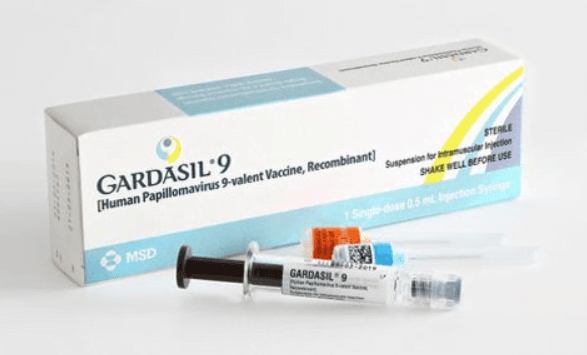
- Vaccination can prevent many HPV types, but it does not treat existing lesions
- Pregnancy can change how lesions behave and how clinicians manage them
Access and Prescription Requirements
Access for Genital Warts care often starts with an evaluation visit. A clinician reviews symptoms and confirms whether lesions match this condition. Some care paths involve prescriptions, while others involve in-office removal. The right path depends on clinical findings and patient factors.
When appropriate, clinicians can coordinate prescriptions through partner pharmacies as needed.
Prescription products require a valid clinician order and pharmacy verification. Availability can vary based on state regulations and pharmacy policies. Some people use cash-pay options without insurance for convenience. This page explains these administrative steps at a high level.
- Telehealth visits typically collect health history and symptom details first
- Rx items require identity checks and prescription verification by the pharmacy
- Some options require an in-person exam or a procedure appointment
- Documentation may be available for personal records when relevant
- Follow-up needs depend on symptom changes and clinician guidance
Related Resources
If Genital Warts is newly suspected, it can help to compare look-alike conditions. Some infections share overlapping signs, especially early in a flare. For a related condition browse page, see Genital Herpes. For broader health education on another topic, browse Heart Disease Symptoms.
Prevention conversations often include HPV vaccination and routine care planning. For neutral background details, see CDC information on HPV vaccination. These resources can support better questions during a clinical visit.
This content is for informational purposes only and is not a substitute for professional medical advice.

Find suitable medication for Genital Warts
Book a telehealth visit to discuss Genital Warts
Find a doctor
Speciality
State

Video Visit
$69

Video Visit
$69

Video Visit
$69

Video Visit
$69

Video Visit
$69

Video Visit
$69

Speciality: Dermatology, Family Medicine, Men's Health, Urgent Care, Women's health
Speaks: English, Spanish, French, Arabic, Portuguese
Video Visit
$69

Video Visit
$69

Video Visit
$69

Video Visit
$69

Video Visit
$69

Video Visit
$69
Frequently Asked Questions
What’s included on this Genital Warts category page?
This page brings together condition-specific browsing and education in one place. It covers common ways lesions may appear, plus what clinicians often consider during an exam. It also summarizes broad treatment categories, like topical prescriptions and in-office removal methods. You will also find practical notes about prescriptions, pharmacy verification, and general access steps. The goal is to support informed discussions, not to provide personal medical decisions.
How do clinicians usually diagnose genital warts?
Clinicians often diagnose genital warts by reviewing symptoms and doing a focused visual exam. They may ask about timing, sexual health history, and prior HPV vaccination. Because several conditions can mimic warts, the clinician looks for features like surface texture, clustering, and location. Sometimes a clinician may recommend in-person evaluation for areas that are hard to assess remotely. Diagnosis decisions depend on the full clinical picture.
What treatment options might be discussed for genital warts?
A clinician may discuss topical prescription treatments, clinician-applied therapies, or removal procedures. Removal approaches can include cryotherapy (freezing), cautery, or minor surgical techniques. Topical options may be applied by the patient or by a clinician, depending on the product. Choices often depend on lesion location, skin sensitivity, pregnancy status, and recurrence history. A clinician also reviews side effects and follow-up needs before selecting an option.
Is genital warts contagious?
Genital warts are linked to HPV, which can spread through intimate skin-to-skin contact. Transmission can occur even when a partner has no visible lesions. Barrier methods can reduce risk, but they do not eliminate it completely. Many people carry HPV at some point, often without symptoms. A clinician can explain what these facts mean for partners, disclosure, and prevention planning in a specific situation.
When is prompt medical care important for genital-area lesions?
Prompt evaluation is reasonable when lesions change quickly or cause significant symptoms. Examples include notable pain, bleeding, discharge, or difficulty urinating. Pregnancy can also change how clinicians assess and manage genital-area growths. People with immune system conditions or immunosuppressing medications may need closer review. When the diagnosis is uncertain, timely assessment helps avoid harmful self-treatment and missed conditions that need different care.