


Genital Herpes
Care Options for Genital Herpes
This category page brings together information and options for Genital Herpes. It is written for patients and caregivers who want clarity. The goal is to support calm, informed next steps. Content here stays practical and avoids guesswork.
Genital herpes is caused by herpes simplex virus, most often hsv-2. It can also be hsv-1 genital, depending on exposure. Symptoms can include sores, itching, burning, and tender skin. Some people have mild signs or none at all. Outbreaks can come and go over time.
Many terms can feel confusing at first. Prodrome (early warning symptoms) can happen before sores appear. The incubation period (time from exposure to symptoms) can vary. Photos online can also mislead, since many issues look similar. A clinician can help sort symptoms and risks.
Medispress connects patients with licensed U.S. clinicians for video visits.
Genital Herpes What You’ll Find
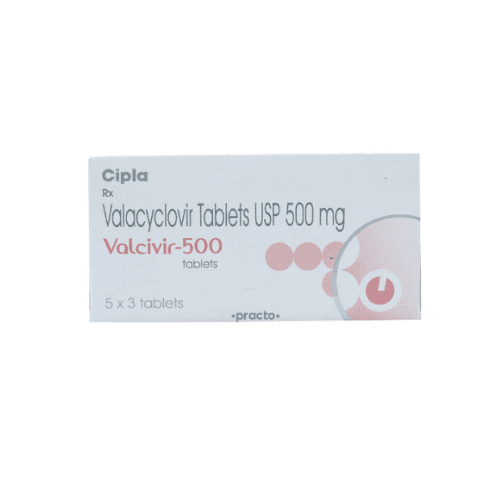
This browse page focuses on care options and common questions. It covers how outbreaks are described, and how clinicians think about risk. It also explains how antiviral therapy for genital herpes is discussed in care. Examples include valacyclovir for genital herpes, acyclovir for genital herpes, and famciclovir for genital herpes.
Some people are looking for help after a first genital herpes outbreak. Others are managing recurrent genital herpes and want planning support. This page also covers genital herpes transmission and practical prevention basics. It includes ways to think about communication and stigma. The tone stays respectful and non-judgmental.
- Plain-language overview of herpes simplex virus types and terms
- What genital herpes symptoms can look and feel like
- Common triggers and patterns for genital herpes outbreaks
- High-level overview of genital herpes treatment approaches
- Prevention, partner communication, and daily-life support topics
Some people compare types to make the language clearer. This table shows common associations, not rules. Individual patterns vary, and clinicians confirm context.
| Term | What it usually means |
|---|---|
| hsv-2 | Often linked with genital outbreaks and recurrence |
| hsv-1 genital | Genital infection caused by hsv-1, with variable recurrence |
| Genital herpes stages | General progression during an outbreak, from early signs to healing |
How to Choose
Different needs call for different kinds of information. This section helps compare resources and care pathways. It also helps prepare questions for a clinician visit. Nothing here replaces an individual evaluation.
Match resources to the situation
- Is this a first episode, or a pattern of recurrent outbreaks?
- Are symptoms mainly sores, pain, itching, or urinary discomfort?
- Are there known exposures that change genital herpes transmission risk?
- Is pregnancy a factor, or is pregnancy planning underway?
- Are there other conditions that affect medication choices, like kidney disease?
- Are there medication allergies or major drug interaction concerns?
Bring useful details to a visit
- Approximate start date, and whether prodrome happened beforehand
- Any fever, swollen glands, or intense body aches during symptoms
- How long symptoms lasted, and what helped with comfort
- How often outbreaks seem to happen, if this is recurrent
- Any triggers noticed, like stress, illness, or friction
Quick tip: Keep a short timeline note to share during a visit.
It can also help to review how to talk to partner about genital herpes. Many people want scripts and boundary language. Support resources can reduce shame and isolation. Living with genital herpes often gets easier with time and information.
Safety and Use Notes
Genital Herpes can look like several other skin and mucosal conditions. That is why images alone are not reliable for decisions. New or worsening genital sores deserve timely clinical review. This is especially important when pain is severe or symptoms spread.
Prescription antivirals are commonly used for outbreak management and suppression. The best option depends on health history and clinician judgment. People should not share leftover medicine with others. People should also avoid mixing new prescriptions with unknown supplements.
- Ask about side effects, interactions, and allergy history
- Share kidney or liver conditions that may affect medication selection
- Discuss timing goals, including episodic versus suppressive use
- Review strategies for genital herpes prevention and reducing transmission risk
Why it matters: Pregnancy and genital herpes can affect delivery planning and neonatal herpes risk.
For reliable background reading, see this public health overview from CDC on herpes. For pregnancy-focused context, review guidance from ACOG on genital herpes.
Visits take place in a secure, HIPAA-compliant app.
Access and Prescription Requirements
Some items in this condition collection may be prescription-only. When a prescription is required, a licensed clinician must authorize it. Pharmacies also verify prescriptions before dispensing. Policies can vary by medication and local regulation.
Medispress supports video visits for clinical evaluation when appropriate. After a visit, a clinician may coordinate prescription options through partner pharmacies. Availability depends on state rules and pharmacy policies. Care decisions always stay with the clinician.
- Have an up-to-date medication list ready for review
- Expect identity and prescription verification steps where required
- Plan for follow-up if symptoms change or questions remain
- Cash-pay options are available, often without insurance
Clinicians make clinical decisions; pharmacies dispense only when appropriate.
Related Resources
Some conditions share similar symptoms and concerns. For a nearby comparison topic, browse the Genital Warts condition collection. It can help when sorting vocabulary and expectations. Each condition has different causes and treatments, so details matter.
General health topics can also support good planning for appointments. For broader symptom awareness, read Heart Disease Warning Signs. It is not related to herpes, but it models clear symptom tracking. That kind of tracking can help any clinical conversation stay focused.
This content is for informational purposes only and is not a substitute for professional medical advice.

Find suitable medication for Genital Herpes



Book a telehealth visit to discuss Genital Herpes
Find a doctor
Speciality
State

Video Visit
$69

Video Visit
$69

Video Visit
$69

Video Visit
$69

Video Visit
$69

Video Visit
$69

Speciality: Dermatology, Family Medicine, Men's Health, Urgent Care, Women's health
Speaks: English, Spanish, French, Arabic, Portuguese
Video Visit
$69

Video Visit
$69

Video Visit
$69

Video Visit
$69

Video Visit
$69

Video Visit
$69
Frequently Asked Questions
What can be compared on this Genital Herpes page?
This page helps compare common care paths and information topics. It covers outbreak patterns, symptom terms, and prevention basics. It also reviews how antiviral medicines are commonly discussed in care. People can scan for topics like first episodes, recurrence, and partner communication. The page is meant for browsing and education. A clinician still confirms what applies in a specific situation.
How does a telehealth visit work on Medispress?
Medispress offers video appointments with licensed U.S. clinicians. Visits take place through a secure, HIPAA-aligned mobile experience. The clinician reviews history, current symptoms, and safety factors. Clinical decisions stay with that clinician. When appropriate, the clinician may coordinate prescription options through partner pharmacies. Pharmacy and state rules can affect what is available.
Do prescriptions require verification before dispensing?
Yes, prescription medicines require a valid prescription. Pharmacies also verify prescriptions before they dispense medications. This helps protect patient safety and supports proper documentation. Some medicines may have added checks, depending on regulations. Requirements can also vary across states and pharmacy partners. If a prescription is not clinically appropriate, it will not be issued.
Can care be accessed without insurance?
Cash-pay care is often available, including options without insurance. Availability depends on the service and state requirements. Some people use cash-pay for privacy or convenience reasons. Others use it when insurance coverage is limited. Prescription costs and policies vary by pharmacy and medication. A clinician can explain what can be considered after a review.
When should urgent care be considered for genital symptoms?
Urgent evaluation is appropriate when symptoms are severe or rapidly worsening. Examples include intense pain, inability to urinate, high fever, or spreading sores. Symptoms during pregnancy should be reviewed promptly by an obstetric clinician. New symptoms in a newborn also need urgent medical attention. When in doubt, emergency or urgent care can help rule out serious causes.