


Generalized Anxiety Disorder
Care Options for Generalized Anxiety Disorder
Generalized Anxiety Disorder can feel like worry that rarely powers down. This category page brings together practical information for patients and caregivers. It covers common generalized anxiety symptoms, common terms, and support options. It also highlights what an anxiety visit may include and what to track.
Some people want an overview of generalized anxiety causes and triggers. Others want help preparing for therapy for generalized anxiety or medication discussions. Browsing can also clarify how GAD diagnosis works in real life. For telehealth planning, see Virtual Appointment Checklist.
Medispress visits are completed by licensed U.S. clinicians.
Generalized Anxiety Disorder What You’ll Find
This browse page mixes condition-focused guidance with navigation to related Medispress content. It is built to support comparison, not self-diagnosis. Expect clear definitions, plain-language explanations, and notes that help with next steps.
Common themes include persistent worry, restlessness, tension, and sleep and anxiety concerns. You may also see references to tools like the GAD-7 screening questionnaire. Screening is not the same as diagnosis, but it can guide conversations. For background on remote care, read Telehealth For Anxiety.
Why it matters: Naming patterns can reduce confusion and improve visit planning.
What is typically included on this page:
- Plain-language summaries of common symptoms and daily impacts
- Notes on anxiety assessment tools and what results can suggest
- Overviews of generalized anxiety treatment approaches and care teams
- Context on therapy types, including CBT (cognitive behavioral therapy)
- Administrative details that affect appointments, refills, and follow-up
How to Choose
When browsing Generalized Anxiety Disorder resources, start with the question being solved. Some pages focus on symptoms and screening language. Others focus on care logistics or how to choose a clinician. A good fit usually feels specific, balanced, and easy to verify.
Match the resource to your goal
If the main concern is uncertainty, begin with symptom patterns and timelines. If the main issue is function, look for work, school, and sleep examples. If the goal is care planning, prioritize checklists and visit prep content. It can also help to compare generalized anxiety vs panic disorder language. Panic often peaks quickly, while GAD is more persistent.
Quick tip: Keep a short worry log for seven days.
Use a simple comparison checklist
Use this list to compare content and any related care options:
- Does it explain GAD symptoms without using alarming language?
- Does it separate screening from a formal GAD diagnosis process?
- Does it mention therapy for generalized anxiety and self-care skills?
- Does it describe CBT for GAD goals in clear, practical terms?
- Does it acknowledge comorbid depression and anxiety as a common overlap?
- Does it note differences like GAD vs OCD (obsessive-compulsive disorder)?
- Does it encourage questions for a clinician instead of giving instructions?
- Does it list credible sources or recognized organizations?
If choosing a provider feels hard, reading a decision guide can help. See Choosing The Right Care for practical selection factors.
Safety and Use Notes
Information online can be useful, but anxiety care is still individualized. Clinicians consider symptoms, medical history, and safety risks. They also look for conditions that can mimic anxiety, like thyroid issues. For teens, they also consider school stress and family context. For adults, they may review substance use and sleep patterns.
Some people ask about medications for GAD, including SSRIs for anxiety. Medication choices can involve side effects, interactions, and monitoring needs. Starting, stopping, or switching medicines should be clinician-led. Mixing alcohol or sedatives with some prescriptions can be unsafe. Always use the official label and clinician guidance for specifics.
Video visits use a secure, HIPAA-compliant app.
High-level topics that often come up in safety discussions:
- Sleep disruption, caffeine use, and how both can amplify symptoms
- How physical symptoms like nausea or palpitations can affect worry loops
- When anxiety overlaps with depression, trauma, or panic symptoms
- How relaxation techniques for anxiety may fit alongside formal treatment
- What mindfulness for anxiety means in practice, without overpromising results
If symptoms look more like social fears than broad worry, comparisons help. See Social Anxiety Or Nerves for distinguishing features and terminology.
Access and Prescription Requirements
Access can depend on the type of support being considered. Therapy and skills training may be available without prescriptions. Prescription medications require an evaluation by a licensed clinician. Pharmacies also verify prescriptions and follow dispensing rules. Requirements can vary by medication class and by state.
People often look for cash-pay pathways, sometimes without insurance. Administrative steps may include confirming identity and collecting a health history. Expect questions about symptoms, sleep, and prior treatments. For some medications, clinicians may avoid remote prescribing or set extra safeguards. That decision is clinical and case-specific.
When appropriate, clinicians can coordinate prescriptions through partner pharmacies.
Before starting a visit, it helps to have these items ready:
- A current medication list, including supplements and over-the-counter products
- Any past mental health diagnoses or prior therapy history
- Notes on symptom frequency, triggers, and day-to-day impact
- Questions about options like psychotherapy, CBT, or medication classes
- Preferred pharmacy details, if a prescription is clinically appropriate
Related Resources
For a broader view of Generalized Anxiety Disorder, it helps to use trusted references. For a clinical overview, see the NIMH anxiety disorders overview. For therapy concepts, see the APA CBT patient page. These sources can support more informed questions.
Medispress also has other condition collections for browsing and comparison. If exploring other health topics, see Tonic Clonic Seizures. That page covers a different condition and different care pathways.
This content is for informational purposes only and is not a substitute for professional medical advice.

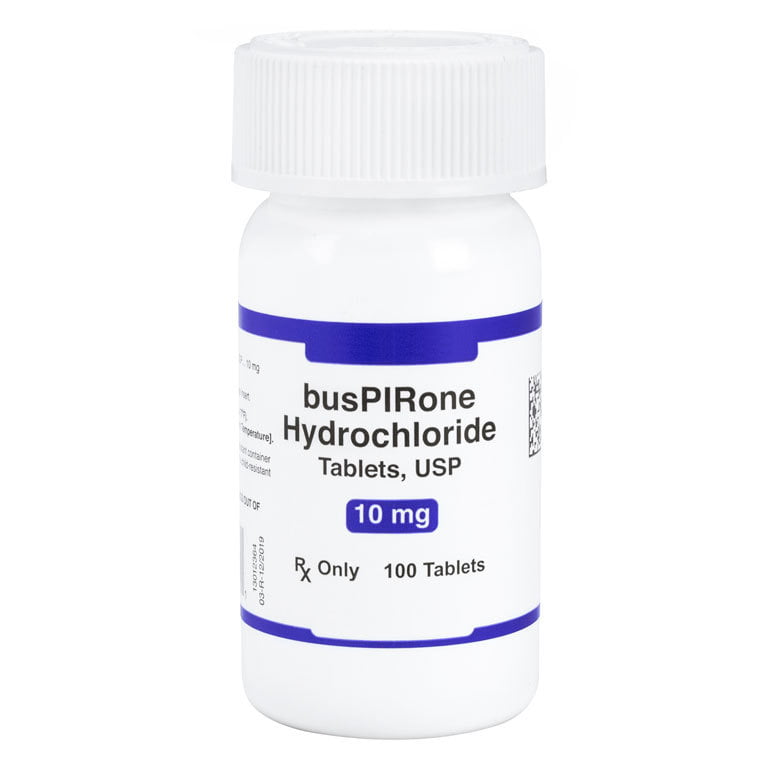
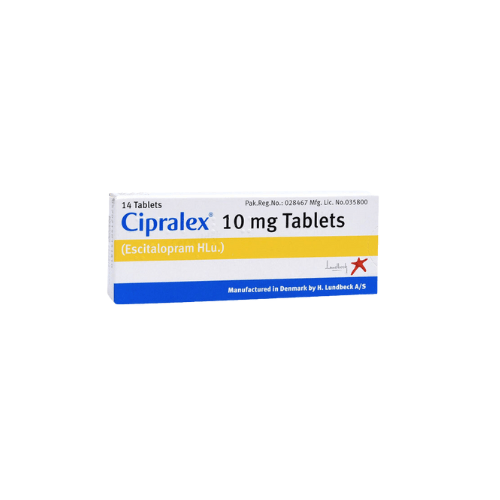
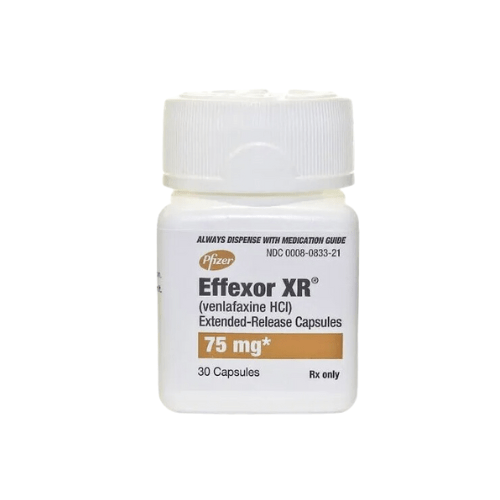
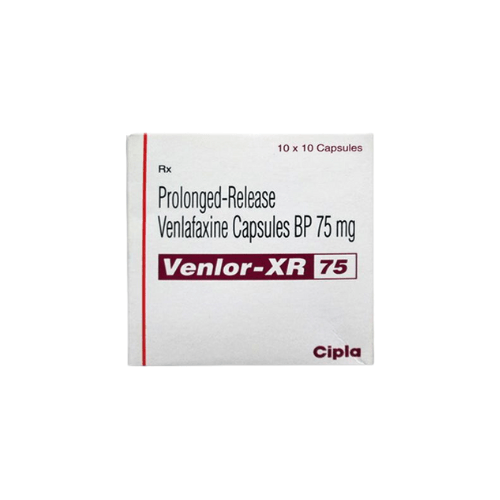
Find suitable medication for Generalized Anxiety Disorder






Book a telehealth visit to discuss Generalized Anxiety Disorder
Find a doctor
Speciality
State

Video Visit
$69

Video Visit
$69

Video Visit
$69

Video Visit
$69

Video Visit
$69

Video Visit
$69

Speciality: Dermatology, Family Medicine, Men's Health, Urgent Care, Women's health
Speaks: English, Spanish, French, Arabic, Portuguese
Video Visit
$69

Video Visit
$69

Video Visit
$69

Video Visit
$69

Video Visit
$69

Video Visit
$69
Frequently Asked Questions
What can I browse on this Generalized Anxiety Disorder page?
This page is a browsing collection for a specific condition topic. It includes plain-language explanations, common terms, and links to related Medispress guides. It may reference screening tools like the GAD-7 and common care paths. It also covers practical topics like appointment prep and prescription requirements. Use it to compare resources and organize questions for a clinician.
How do GAD symptoms differ from everyday stress?
Everyday stress often links to a clear situation and then eases. GAD symptoms tend to be persistent, hard to control, and spread across many topics. People may notice restlessness, muscle tension, irritability, or sleep disruption. Symptoms can also show up as stomach upset or trouble concentrating. Only a clinician can make a diagnosis after evaluating history and context.
What is the GAD-7 screening tool, and how is it used?
The GAD-7 is a short questionnaire used to screen for anxiety severity. It asks about symptoms over the prior two weeks. Scores can help track changes and guide conversation during a visit. A screening result is not a diagnosis on its own. Clinicians interpret results alongside history, physical symptoms, and possible overlapping conditions.
What kinds of treatment approaches are commonly discussed for GAD?
Care plans often include psychotherapy, skills practice, and lifestyle supports. CBT (cognitive behavioral therapy) is commonly discussed for worry patterns and avoidance behaviors. Some people also discuss medications, such as SSRIs or other options, with a clinician. Treatment choices depend on symptoms, past response, side effects, and safety factors. Clinicians decide what is appropriate for each person.
Can telehealth be used for anxiety-related visits?
Telehealth is often used for evaluation, follow-ups, and care coordination. A clinician can review symptoms, screening results, and medical history by video. They can also discuss therapy options and decide if medication discussions are appropriate. Some prescriptions have extra rules or may not be offered remotely. Availability can vary by state regulations and clinical judgment.
When should someone seek urgent help for anxiety symptoms?
Urgent help is appropriate when there is immediate danger or severe impairment. Examples include thoughts of self-harm, inability to stay safe, or intense confusion. Chest pain, fainting, or trouble breathing also need prompt medical evaluation. In the U.S., people can call or text 988 for crisis support. Emergency services are appropriate if safety is at risk.