


Gaucher Disease
Care Options and Resources for Gaucher Disease
This category page focuses on Gaucher Disease for patients and caregivers. It pulls together treatment classes, testing terms, and practical care planning details. Many people start here after a new diagnosis, or while confirming a type. Others browse to better understand labs, imaging, and follow-up routines.
Gaucher is a rare genetic condition linked to a GBA gene mutation. It can cause glucocerebrosidase deficiency (an enzyme shortfall) in certain cells. Symptoms and severity vary by type and by age. Gaucher type 1 often affects blood, spleen, liver, and bones. Gaucher type 2 and Gaucher type 3 can involve the nervous system.
Medispress telehealth visits are completed by video with licensed U.S. clinicians.
Gaucher Disease: What You’ll Find
This collection helps compare common terms tied to Gaucher care. It can clarify how clinicians talk about disease types, organ involvement, and monitoring. It also explains how therapy categories differ at a high level. That includes enzyme replacement therapy and substrate reduction therapy, without making treatment choices for anyone.
The page also covers frequently used medical language in plain words. Examples include splenomegaly (enlarged spleen) and hepatomegaly (enlarged liver). Bone-related terms matter too, including bone crisis (sudden severe bone pain). Blood findings often include anemia and thrombocytopenia (low platelets). Many families also look up genetic counseling and carrier screening.
- Overview of Gaucher type 1, Gaucher type 2, and Gaucher type 3
- Common symptom patterns and how they get documented
- Diagnosis terms, including enzyme assays and genetic testing
- Monitoring language, like biomarkers and imaging follow-up
- High-level treatment categories and care team roles
- Support topics, including patient assistance and clinical trials vocabulary
How to Choose
When comparing resources for Gaucher Disease, start with the goal for today. Some people need a plain-language overview for family members. Others need a checklist for an upcoming specialist visit. Many caregivers focus on pediatric care planning and school supports.
Match the content to the care stage
- New diagnosis: focus on type, baseline tests, and next steps
- Ongoing care: focus on monitoring, symptoms, and quality-of-life tracking
- Medication review: focus on class differences and administration format
- Family planning: focus on genetic counseling and carrier screening options
Details that help comparisons feel clearer
- Type classification language, including neuronopathic versus non-neuronopathic forms
- Organ findings: spleen and liver size notes, plus blood count trends
- Bone history: prior bone crisis events, fractures, or chronic pain patterns
- Lab terms: Lyso-Gb1 (a blood biomarker) and chitotriosidase (an inflammation marker)
- Imaging: Gaucher imaging MRI wording and what “marrow involvement” can mean
- Life stage: pediatric Gaucher disease versus adult Gaucher disease needs
- Follow-up rhythm: how clinics document response and adjust monitoring plans
Why it matters: Clear records make specialist visits more focused and less stressful.
Safety and Use Notes
Gaucher care often involves long-term monitoring and prescription therapies. That makes safety context important, even when browsing general information. A clinician should interpret test results within the full clinical picture. This includes symptoms, exam findings, and past treatment response.
For Gaucher Disease treatment discussions, it helps to know common risk areas. Infusion therapies can involve infusion reactions in some patients. Oral therapies can still have side effects and interactions. Pregnancy and breastfeeding discussions can change monitoring and medication options. The care team may also track bone health, fatigue, and bleeding risk over time.
Visits and documentation are handled in a secure, HIPAA-compliant app.
- Keep an updated medication list, including supplements and over-the-counter products
- Share allergies and any prior infusion reactions, if relevant
- Note bleeding or bruising patterns linked to low platelets
- Track bone pain location, triggers, and impact on daily activities
- Bring key labs, especially blood counts and Gaucher biomarkers trends
- Ask how to interpret changes in spleen or liver measurements
Access and Prescription Requirements
Many therapies used in Gaucher care require a prescription. Licensed pharmacies typically verify prescriptions before dispensing. Some medications have extra handling steps due to storage or administration needs. These requirements can affect timing and which pharmacy can fill a prescription.
For Gaucher Disease support through Medispress, the flow usually starts with a telehealth evaluation. Clinicians decide what is clinically appropriate, based on history and available records. When appropriate, prescriptions may be coordinated through partner pharmacies, depending on state rules.
- Prescription status: confirm whether an item is Rx-only or non-prescription
- Record readiness: labs, imaging reports, and prior genetics results can help
- Care team alignment: clarify who manages monitoring and refills long term
- Access approach: some patients use cash-pay options, often without insurance
- Location rules: pharmacy dispensing can vary by state and medication type
- Follow-up needs: ask what check-ins are typical for ongoing management
Quick tip: Keep a single folder for labs, MRI reports, and visit summaries.
Related Resources
Reliable background reading can make clinical terms feel less intimidating. For a neutral overview, see this NIH resource: NIH GARD Gaucher disease overview. For genetics-focused explanations, this page can help: MedlinePlus Genetics Gaucher disease.
Other topics often worth exploring include genetic counseling, newborn screening policies, and clinical trial vocabulary. Patient support groups can also help with practical planning and caregiver connection. When notes or lab results feel unclear, a licensed clinician can explain what they mean.
This content is for informational purposes only and is not a substitute for professional medical advice.

Find suitable medication for Gaucher Disease
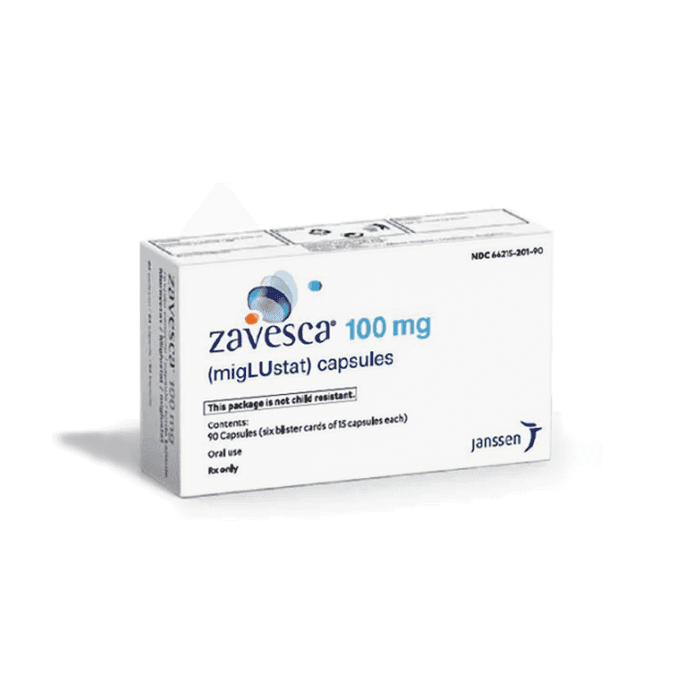
Book a telehealth visit to discuss Gaucher Disease
Find a doctor
Speciality
State

Video Visit
$69

Video Visit
$69

Video Visit
$69

Video Visit
$69

Video Visit
$69

Video Visit
$69

Speciality: Dermatology, Family Medicine, Men's Health, Urgent Care, Women's health
Speaks: English, Spanish, French, Arabic, Portuguese
Video Visit
$69

Video Visit
$69

Video Visit
$69

Video Visit
$69

Video Visit
$69

Video Visit
$69
Frequently Asked Questions
What is Gaucher disease, and what causes it?
Gaucher disease is a rare inherited condition tied to changes in the GBA gene. These changes can reduce glucocerebrosidase activity (an enzyme needed for lipid breakdown). As a result, certain fats can build up inside cells. This buildup may affect the spleen, liver, bone marrow, and bones. Some types can also affect the brain and nervous system. A clinician can explain how type and symptoms relate for each patient.
What symptoms are common in Gaucher disease?
Symptoms can differ by type, age, and disease severity. Many patients have fatigue related to anemia and may bruise easily with low platelets. Some have splenomegaly (enlarged spleen) or hepatomegaly (enlarged liver). Bone pain can occur, and some people experience bone crisis episodes. Growth delays may appear in pediatric Gaucher disease. Neurologic symptoms can occur in Gaucher type 2 and Gaucher type 3. Symptoms should be reviewed with a clinician who knows the full history.
How is Gaucher disease diagnosed and monitored?
Clinicians may use several tools together. Diagnosis often involves measuring enzyme activity and confirming a GBA gene mutation. Blood counts can track anemia and thrombocytopenia over time. Some clinics also follow Gaucher disease biomarkers, such as Lyso-Gb1, and may measure chitotriosidase levels when appropriate. Imaging like MRI can help assess bone marrow and organ involvement. Test choices and interpretation depend on symptoms, age, and the suspected Gaucher type.
What treatment approaches are used for Gaucher disease?
Treatment planning depends on Gaucher type, severity, and patient goals. Clinicians may discuss enzyme replacement therapy, which replaces the missing enzyme, or substrate reduction therapy, which lowers production of certain lipids. Supportive care may address anemia, bleeding risk, bone health, and pain. Some patients also discuss clinical trials when available and appropriate. A specialist team typically guides therapy choice, monitoring, and adjustments over time.
Can Medispress support telehealth care and prescriptions for rare conditions?
Medispress can support care coordination through video telehealth visits with licensed U.S. clinicians in a secure app. Clinicians make the medical decisions, including whether evaluation is appropriate and what records are needed. If a prescription is clinically appropriate, providers may coordinate prescription options through partner pharmacies, depending on state regulations and dispensing rules. Some patients use cash-pay options, often without insurance, when that fits their situation.