


Gastrointestinal Stromal Tumor
Care Options for Gastrointestinal Stromal Tumor
This collection supports patients and caregivers learning about Gastrointestinal Stromal Tumor and care logistics. It focuses on plain-language terms, common test names, and typical care pathways. It also helps with practical steps like organizing records and planning follow-up. For broader digestive topics, browse our Gastrointestinal Category.
Many people first hear GIST as an abbreviation for gastrointestinal stromal tumor. It is a rare soft tissue sarcoma (a cancer of connective tissues). It often starts in the stomach or small intestine. Symptoms can be vague, like belly pain, bleeding, or anemia (low red blood cells). This page keeps the discussion high level and non-prescriptive.
Medispress offers video visits with licensed U.S. clinicians.
Gastrointestinal Stromal Tumor What You’ll Find
This browse page brings together condition-aligned resources and navigation help. It supports understanding key terms that show up in notes. Examples include GIST staging and risk stratification, metastatic disease, and recurrence and surveillance. It also outlines how teams describe tumor location, like stomach GIST tumors or small intestine GIST.
Diagnosis details often drive next steps and paperwork. This includes imaging names like CT scan and MRI for GIST. It can also include endoscopic ultrasound GIST (an ultrasound done from inside the digestive tract). Pathology language may mention CD117 DOG1 immunohistochemistry (stains used to identify tumor markers). Some records also list KIT mutation GIST, PDGFRA mutation GIST, or SDH-deficient GIST.
If other GI concerns are being evaluated at the same time, browse related collections like Gastrointestinal Infection.
- Plain-language explanations of common GIST terms and acronyms
- How gastrointestinal stromal tumor diagnosis is commonly documented
- Overview of GIST treatment options, including surgery and targeted therapy
- Administrative tips for tracking scans, pathology, and medication lists
- Links to related digestive health education and telehealth navigation
How to Choose
Care plans can vary widely, even within the same diagnosis label. For Gastrointestinal Stromal Tumor, small details in records may change the conversation. That is why it helps to compare resources based on the specific questions being answered. Use this page to focus your browsing and reduce uncertainty.
Match resources to the decision point
- Confirm what is known: suspected vs confirmed, and where it started
- Look for the test type: imaging report, biopsy, or surgical pathology
- Note tumor location terms, like stomach or small intestine
- Check whether mutation testing is listed, such as KIT or PDGFRA
- Separate treatment phases: neoadjuvant and adjuvant therapy GIST may be documented differently
- Track discussion topics: GIST surgery, targeted therapy for GIST, or clinical trials
- Use one consistent medication list, including supplements and over-the-counter drugs
Quick tip: Keep a one-page timeline of scans, biopsies, and key findings.
Choose support content that fits daily life
Some visits focus on education and planning, not prescriptions. Telehealth can also support nutrition and wellbeing discussions. If weight change or appetite is a concern, compare general telehealth safety patterns first. See Weight Loss Injections Telehealth for a practical framework. For food planning support, review Virtual Nutrition Counseling.
Safety and Use Notes
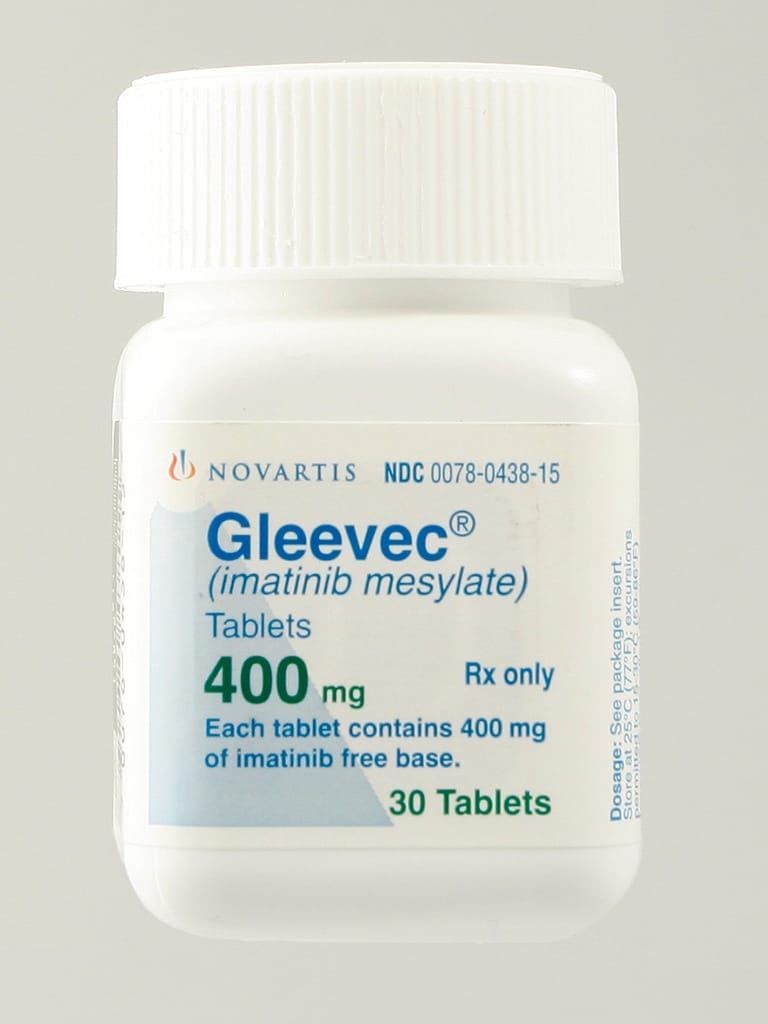
GIST care often involves a specialized team. Some treatments use targeted medicines called tyrosine kinase inhibitors (TKIs). Examples include imatinib for GIST, sunitinib for GIST, regorafenib for GIST, and avapritinib for GIST. A clinician reviews mutation results, stage, and other factors before choosing an approach.
Appointments take place in a secure, HIPAA-aligned app.
Safety planning matters in Gastrointestinal Stromal Tumor care, especially during targeted therapy. Many cancer medicines have important interaction and monitoring considerations. Records may mention lab checks or imaging follow-up. Side effects can also overlap with common GI symptoms. A clinician can help interpret which symptoms are expected, and which need urgent evaluation.
- Bring a complete medication list, including supplements and herbs
- Ask how to handle missed doses before starting any new medicine
- Clarify pregnancy and breastfeeding precautions if they apply
- Share liver, kidney, and heart history, if it is documented
- Report new bleeding, severe pain, or fainting right away
- Keep copies of pathology and imaging reports for consistency
Why it matters: Targeted medicines can interact with common supplements and OTC products.
For a neutral, detailed overview of diagnosis and treatment, see the National Cancer Institute GIST treatment PDQ. For official prescribing details on specific medicines, use Drugs@FDA application overviews when available.
Access and Prescription Requirements
Some GIST therapies require a prescription and pharmacy verification. Availability can depend on state rules and dispensing requirements. If a prescription is appropriate, clinicians may coordinate options through partner pharmacies. This helps keep documentation and dispensing aligned.
When appropriate, clinicians can route prescriptions through partner pharmacies, per state rules.
Preparing for a visit can reduce delays in decision-making. Many people keep a folder with pathology, imaging, and a current medication list. If care happens across systems, ask for full report PDFs when possible. Cash-pay options are sometimes available without insurance, depending on the service.
- Pathology report, including any CD117 or DOG1 results
- Mutation testing notes, if they were done
- Latest CT or MRI report, plus the prior report for comparison
- Medication list and allergy list from the same date
- Names of current clinicians and where records can be requested
Related Resources
Living with uncertainty can affect eating patterns, mood, and daily routines. This page keeps links nearby for practical support and better questions. For medication comparison reading in other areas, see Mounjaro Vs Ozempic and Ozempic Benefits Overview. For care navigation focused on one medicine, review Mounjaro For Weight Loss. For mind-body support, read Nutrition And Mental Health and Binge Eating Disorder Signs. If returning here after new results, Gastrointestinal Stromal Tumor terms may look less overwhelming.
This content is for informational purposes only and is not a substitute for professional medical advice.

Find suitable medication for Gastrointestinal Stromal Tumor

Book a telehealth visit to discuss Gastrointestinal Stromal Tumor
Find a doctor
Speciality
State

Video Visit
$69

Video Visit
$69

Video Visit
$69

Video Visit
$69

Video Visit
$69

Video Visit
$69

Speciality: Dermatology, Family Medicine, Men's Health, Urgent Care, Women's health
Speaks: English, Spanish, French, Arabic, Portuguese
Video Visit
$69

Video Visit
$69

Video Visit
$69

Video Visit
$69

Video Visit
$69

Video Visit
$69
Frequently Asked Questions
What does GIST mean, and how is it related to this condition?
GIST is short for gastrointestinal stromal tumor. It is a rare type of soft tissue sarcoma. It usually starts in the wall of the stomach or small intestine. Clinicians often use both terms in records and conversations. This category page uses plain language alongside common clinical words. That helps patients and caregivers recognize key terms in pathology, imaging, and visit notes.
What information should I gather before scheduling a telehealth visit?
Have key documents ready in one place. Useful items include the pathology report, imaging reports, and a current medication list. If mutation testing was done, keep that result with the pathology paperwork. A short timeline of dates helps, too. Telehealth works best when the clinician can review the same records everyone references. Upload requirements vary by visit type and state rules.
What do KIT and PDGFRA results mean in a pathology report?
KIT and PDGFRA are genes that can be altered in many GIST cases. Reports may describe a mutation or may say testing was not performed. These results can matter for treatment planning and for discussing targeted medicines. They also help explain why two people may have different medication options. A clinician or oncology team can explain how a specific result fits the overall risk picture.
When should someone seek urgent care instead of waiting for a visit?
Some symptoms should not wait for routine scheduling. Seek urgent or emergency help for heavy bleeding, black stools, fainting, severe chest pain, or trouble breathing. Severe abdominal pain, repeated vomiting, or signs of dehydration can also need prompt evaluation. If there is new confusion, sudden weakness, or uncontrolled fever, urgent assessment is appropriate. Telehealth can support follow-up planning, but it is not emergency care.
How is follow-up after treatment usually planned?
Follow-up plans depend on tumor location, stage, and pathology findings. Clinicians may use imaging like CT or MRI to look for recurrence. Notes may call this surveillance, which means watching carefully over time. The schedule and test type vary by individual risk and prior treatment. Keep copies of each scan report and the comparison language. That makes it easier to track changes across different facilities.