


Gastric Ulcer
Care Options for Gastric Ulcer
This Gastric Ulcer category page helps patients and caregivers browse care information. It also helps compare common medication pathways and practical next steps. Content covers stomach ulcer basics, typical triggers, and common warning signs. It also explains how clinicians sort peptic ulcer disease from similar issues. Use this page to orient before a visit or follow-up.
Some ulcers relate to H. pylori infection (a stomach bacteria). Others link to NSAID induced ulcer risk from pain relievers. Symptoms and severity can vary, so clear records matter. Many people also compare gastritis vs ulcer when symptoms overlap.
Gastric Ulcer What You’ll Find
This section brings together the key topics people look for first. It explains symptom patterns, likely causes, and usual evaluation steps. It also outlines the main medication categories used in gastric ulcer treatment. Details stay general, since clinicians tailor decisions to each person.
Many pages discuss gastric ulcer symptoms, including burning pain and nausea. Others focus on ulcer pain location, like upper belly discomfort after meals. Some explain gastric ulcer causes, such as NSAIDs or bacteria. When diagnosis questions come up, clinicians may consider H. pylori testing. Common options include a urea breath test or stool antigen test. Some cases require upper endoscopy (a camera exam of the upper gut).
Medispress offers video visits with licensed U.S. clinicians in-app.
Browsing can also help when symptoms relate to excess stomach acid. Some people explore overlapping conditions and compare terminology. The Gastric Acid Hypersecretion collection can help with that context.
- Plain-language explanations of stomach ulcers and peptic ulcer disease
- Common causes, including H. pylori infection and NSAID exposure
- Medication classes often used, like proton pump inhibitors
- High-level notes on H. pylori eradication therapy
- Diet and symptom-tracking basics, including foods to avoid with ulcers
- Red-flag symptoms, including bleeding ulcer signs
How to Choose
People browse ulcer resources for different reasons. Some want to understand symptom patterns and timing. Others need a simple way to compare treatment categories. A practical approach starts with cause and risk factors. It also helps to list current medicines and recent changes.
Match resources to the likely trigger
- Note any recent NSAID use, including ibuprofen and naproxen
- Record past ulcer history and any recurrent gastric ulcer concerns
- Track symptom timing around meals, alcohol, or smoking
- List prior H. pylori infection results, if available
- Check for medicines that can irritate the stomach lining
- Compare duodenal vs gastric ulcer terminology when reading materials
Quick tip: Keep a single timeline for symptoms, NSAIDs, and new prescriptions.
Prepare questions for a clinician visit
- Ask how gastric ulcer diagnosis is confirmed in similar cases
- Ask which warning signs need urgent evaluation versus routine follow-up
- Ask how long gastric ulcer healing time can vary in general
- Ask what follow-up is typical after starting a new ulcer medicine
- Ask about prevention steps to lower gastric ulcer complications risk
- Ask how clinicians think about gastric ulcer cancer risk when ulcers persist
Safety and Use Notes
Ulcers can sometimes bleed or worsen quickly. A clinician should evaluate severe symptoms right away. Common bleeding ulcer signs include vomiting blood or coffee-ground material. Black stools melena (black, tarry stools) can also signal bleeding. Some people first notice fatigue from anemia from ulcers.
Why it matters: Bleeding can be subtle until anemia symptoms become noticeable.
Appointments happen in a secure app built for HIPAA privacy.
Medication information also needs context. Proton pump inhibitors reduce acid and may support healing. Other medicines may protect the stomach lining or treat infection. H. pylori eradication therapy often involves multiple prescriptions, guided by a clinician. Antibiotics can interact with other medicines and supplements. Some people also ask about gastric ulcer diet changes. Food triggers vary, but symptom logs can help. Many guides mention foods to avoid with ulcers, like very spicy items. These lists are not the same for everyone.
- Seek urgent care for severe belly pain, fainting, or persistent vomiting
- Ask about NSAID alternatives if pain control is needed
- Share allergy history and recent antibiotic exposure during review
- Review anticoagulants and antiplatelet drugs, since bleeding risk changes
- Clarify gastritis vs ulcer differences when symptoms feel similar
- Use reputable references for basics, like the NIDDK peptic ulcers overview
Access and Prescription Requirements
Many ulcer medicines require a prescription. Some acid reducers also exist over-the-counter in lower strengths. Requirements depend on the specific drug and state rules. Pharmacies also verify prescriptions before dispensing where required. This protects patient safety and helps prevent errors.
Clinicians decide what care fits and may route prescriptions to partner pharmacies.
For access planning, it helps to separate three steps. First, a clinician visit reviews symptoms and risk factors. Second, the clinician decides whether medication is appropriate. Third, a pharmacy dispenses after standard verification. Some people pay cash, often without insurance. Administrative details can differ by medicine and pharmacy.
- Keep an updated medication list, including supplements and OTC pain relievers
- Have recent lab or imaging summaries ready, if they exist
- Confirm preferred pharmacy details before prescription routing
- Plan follow-up timing with the clinician if symptoms change
- Know that severe symptoms may still require in-person evaluation
Related Resources
Digestive symptoms can overlap with side effects from other medicines. That can complicate symptom tracking and conversations with clinicians. For people comparing diabetes injectables that may affect appetite or nausea, see Mounjaro Vs Ozempic Which Medication Is Right For You. It can help with more informed medication histories.
For ongoing education, look for materials on prevention habits and recurrence risk. Many resources cover gastric ulcer prevention, like limiting NSAID exposure when possible. Others explain when to see a doctor for ulcers based on warning signs. This page also flags common gastric ulcer complications, including bleeding and perforated ulcer risk. Keep notes updated, especially with new prescriptions.
This content is for informational purposes only and is not a substitute for professional medical advice.

Find suitable medication for Gastric Ulcer

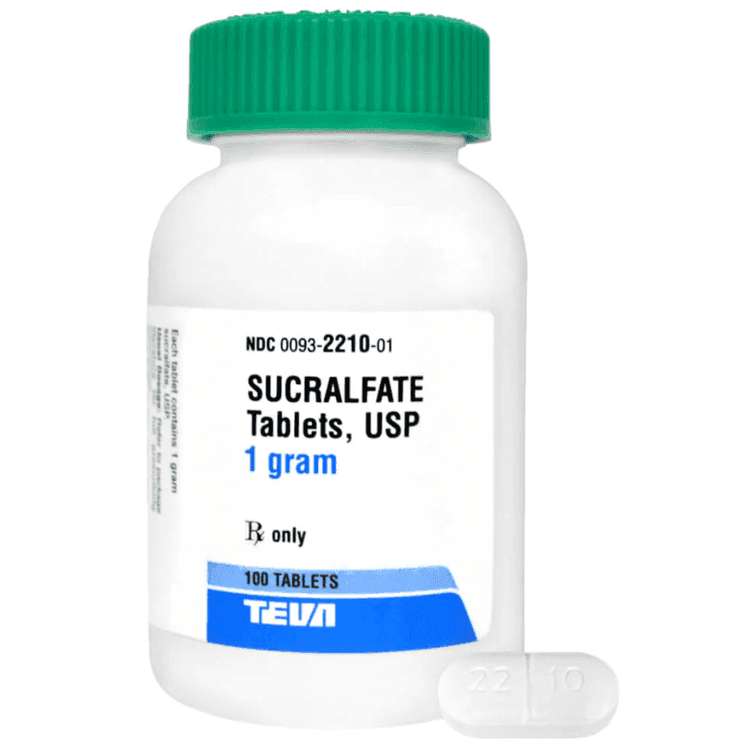
Book a telehealth visit to discuss Gastric Ulcer
Find a doctor
Speciality
State

Video Visit
$69

Video Visit
$69

Video Visit
$69

Video Visit
$69

Video Visit
$69

Video Visit
$69

Speciality: Dermatology, Family Medicine, Men's Health, Urgent Care, Women's health
Speaks: English, Spanish, French, Arabic, Portuguese
Video Visit
$69

Video Visit
$69

Video Visit
$69

Video Visit
$69

Video Visit
$69

Video Visit
$69
Frequently Asked Questions
What is the difference between a stomach ulcer and peptic ulcer disease?
A stomach ulcer is a sore in the stomach lining. People also call it a gastric ulcer. Peptic ulcer disease is a broader term. It includes ulcers in the stomach and in the first part of the small intestine. That intestinal type is a duodenal ulcer. Resources may use these terms differently, so definitions help. A clinician can explain which term matches the suspected location and cause in a given case.
What symptoms can suggest a bleeding ulcer?
Bleeding can look different from person to person. Some warning signs include vomiting blood or dark, coffee-ground material. Black, tarry stools (melena) can also indicate bleeding. Some people notice weakness, dizziness, or fatigue from anemia. These symptoms can have other causes too, but they deserve prompt medical evaluation. If severe pain, fainting, or ongoing vomiting occurs, urgent care is often appropriate.
How do H. pylori infection and NSAID use relate to ulcers?
H. pylori is a bacteria that can inflame the stomach lining. Over time, that inflammation can contribute to ulcer formation. NSAIDs are common pain relievers that can also irritate the stomach lining. Risk rises with higher doses, longer use, and certain health factors. Many educational resources compare these two causes because they change evaluation and treatment plans. Clinicians may review medication history and consider appropriate testing when symptoms suggest an ulcer.
What information helps during a telehealth visit for ulcer concerns?
A clear history helps a clinician assess symptom patterns and risk factors. A simple timeline can include when pain started and how it relates to meals. Add any NSAID use, alcohol intake, and smoking history if relevant. Include all current prescriptions, over-the-counter medicines, and supplements. If prior H. pylori results or endoscopy reports exist, have them available. For site actions, you can upload documents or list pharmacies during scheduling.
Do ulcer medicines require a prescription?
Some ulcer-related medicines are prescription-only, especially those used for infection treatment or stronger acid suppression. Other options may be available over the counter in certain strengths. Rules depend on the specific medicine and local regulations. When a prescription is required, pharmacies verify it before dispensing. A clinician decides whether a prescription is appropriate based on symptoms, history, and safety considerations. This category page can help compare medication classes and common administrative requirements.