


Fungal Skin Infection
Care Options for Fungal Skin Infection
Skin fungus is common, but rashes can look similar. This category page helps patients and caregivers browse options for Fungal Skin Infection, plus practical reading on what may be going on. Many problems fall under “tinea” (a fungus affecting skin, hair, or nails). Common examples include tinea pedis (athlete’s foot), tinea corporis (ringworm), and tinea cruris (jock itch).
Medispress appointments happen by video with licensed U.S. clinicians.
Use this collection to compare antifungal creams for skin, learn what “over the counter antifungal for skin” usually covers, and understand when prescription care may be needed. It is meant for planning and browsing, not self-diagnosis.
Fungal Skin Infection: What You’ll Find
This browse page brings together treatment categories and supporting education for common fungal rashes. It also covers yeast-driven issues like cutaneous candidiasis (yeast on skin) and tinea versicolor (patchy color change). Some people notice an itchy fungal rash in folds, feet, or the groin. Others see scaling, cracking, or color changes that come and go.
Several related collections can help narrow the topic. For broader context, explore Fungal Infection. If nails are involved, Fungal Nail Infection is a better match for browsing.
- Common condition types and where they tend to show up
- High-level options, including topical and prescription-only therapies
- Plain-language notes on spread, recurrence, and prevention basics
- Administrative details for telehealth visits and prescriptions
Quick tip: Keep notes on where the rash started and what changed.
How to Choose
Choosing among options starts with pattern recognition and context. Fungal skin infection symptoms often overlap with eczema, contact dermatitis, and bacterial irritation. A careful review can reduce wasted time and mismatched products. Many people also search for fungal rash pictures, but photos alone can mislead.
Match the body area and pattern
- Feet: peeling between toes can fit tinea pedis (athlete’s foot)
- Groin: a ringed, itchy edge can fit tinea cruris (jock itch)
- Body: a ring-like patch may suggest tinea corporis (ringworm)
- Scalp: hair loss or scaling can occur with tinea capitis (scalp ringworm)
- Skin folds: a moist rash can relate to yeast infection on skin
Consider common triggers and setting
- Heat and sweat, tight clothing, and shared equipment can increase risk
- Recent antibiotics can sometimes shift normal skin yeast balance
- Close-contact sports and household sharing can enable spread
- Age matters, including fungal skin infection in children and adults
- History matters, including recurrent fungal skin infections
Fungal Skin Infection browsing can also include “compare-and-rule-out” thinking. Fungal skin infection causes differ from eczema flare triggers. Bacterial vs fungal skin infection clues can include drainage, crusting, and tenderness. A clinician can sort these patterns during a visit.
Why it matters: Steroid creams can worsen some fungal rashes.
Safety and Use Notes
Start with label reading and basic safety checks. Many topical products are intended for limited skin areas only. Some are not meant for eyes, mouth, or broken skin. If symptoms are severe or fast-changing, higher-level evaluation may be needed.
Visits run through a secure, HIPAA-compliant app for private communication.
Fungal Skin Infection treatment depends on the site and organism type. Nails and scalp often need a different approach than surface skin. People looking for “best antifungal for skin” usually want the safest, simplest option. In practice, the best choice varies by location, age, and prior response.
- Check for skin sensitivity and past reactions to topical ingredients
- Avoid sharing towels, socks, shoes, or grooming tools
- Keep the area dry, especially between toes and skin folds
- Re-check diagnosis if a rash keeps returning or spreading
- Ask about medication interactions if systemic therapy is considered
Contagiousness depends on the type and setting. For a public health overview, see CDC ringworm guidance. For prevention basics, review AAD athlete's foot overview. Some conditions, like tinea versicolor, are not usually spread person-to-person.
Access and Prescription Requirements
Some options are nonprescription, while others require an evaluation. For limited rashes, an over-the-counter product may be reasonable to discuss. For scalp involvement, widespread symptoms, or nail fungus onychomycosis (nail fungus), prescriptions are more common. This section explains the administrative side of access.
When appropriate, clinicians can coordinate prescriptions through partner pharmacies, following state regulations.
For Fungal Skin Infection, prescriptions typically require identity and medication verification where required. A visit also helps document allergies, other medications, and past treatment response. Many people use cash-pay options, often without insurance, when coverage is limited. Some pharmacies also support cash-pay fills without insurance, depending on the medication.
- Have a current medication list ready, including topical products already tried
- Share a brief timeline, including travel, gym use, or household spread
- Note special situations like pregnancy, diabetes, or immune suppression
- Ask how follow-up works if symptoms do not improve as expected
- Confirm where prescriptions can be sent, based on state rules
If the main concern is not fungal, related collections may help with browsing. See Skin Infection and Skin And Soft Tissue Infection for a wider look at causes. For non-fungal comparisons, Bacterial Infection can help frame questions for a clinician.
Related Resources
Use these pages to keep browsing organized, especially when symptoms are unclear. Fungal rashes can overlap with dermatitis, irritation, and mixed infections. Fungal Skin Infection vs eczema questions are common, and pattern details matter. For broader navigation, Skin Infections groups similar collections in one place.
Planning a telehealth visit can also improve documentation and follow-through. The Virtual Doctor Appointment Checklist covers practical prep steps, like lighting and photos. For life-stage context that can affect skin health, see Womens Health Wellness Guide.
- Bring clear photos, taken in the same lighting when possible
- Write down what has been tried, including soaps and creams
- Track recurrence, including shared household exposures
This content is for informational purposes only and is not a substitute for professional medical advice.

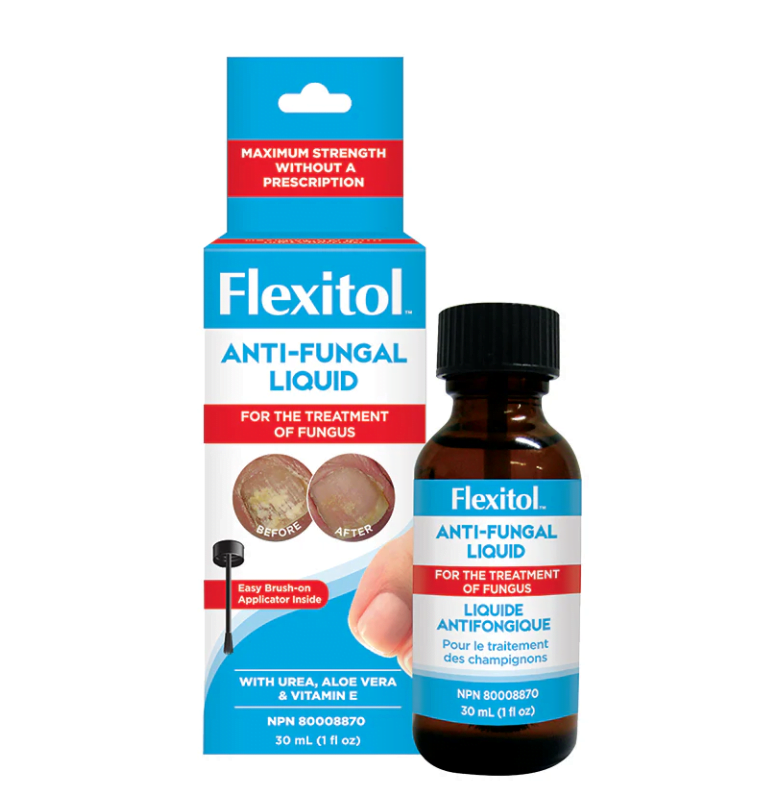
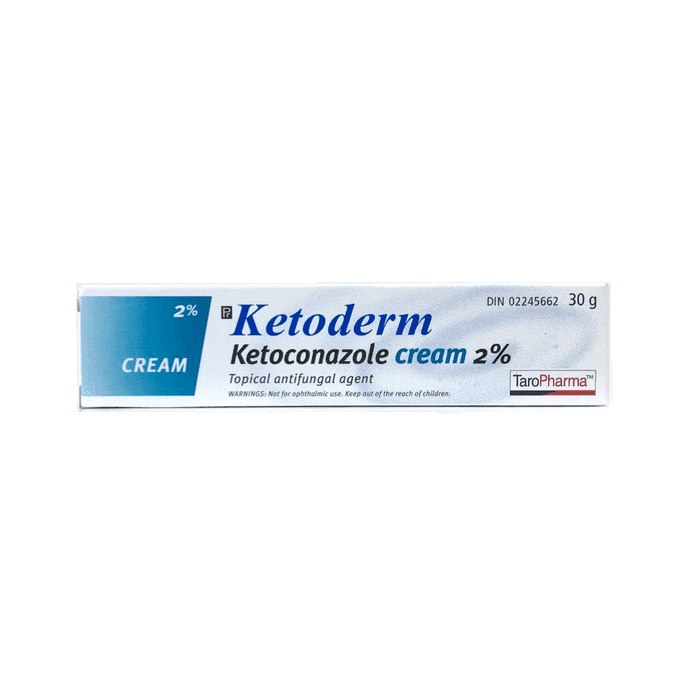
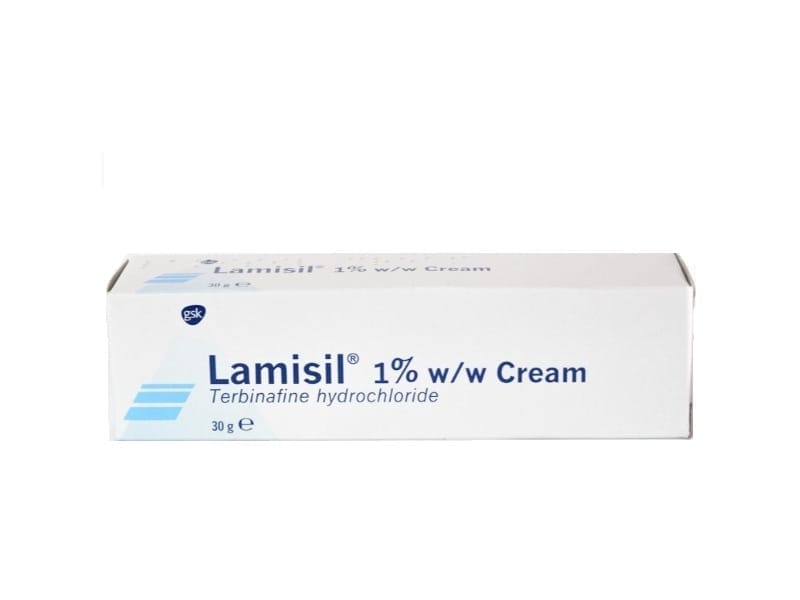
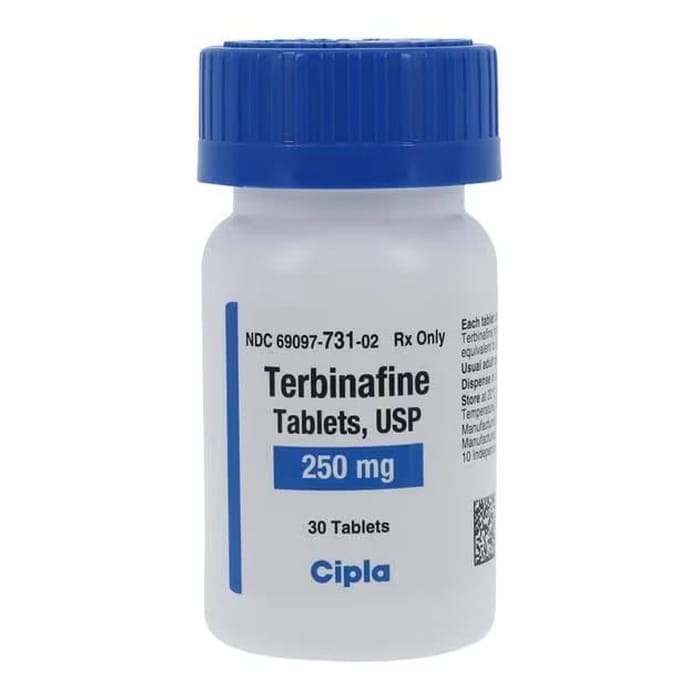
Find suitable medication for Fungal Skin Infection
Book a telehealth visit to discuss Fungal Skin Infection
Find a doctor
Speciality
State

Video Visit
$69

Video Visit
$69

Video Visit
$69

Video Visit
$69

Video Visit
$69

Video Visit
$69

Speciality: Dermatology, Family Medicine, Men's Health, Urgent Care, Women's health
Speaks: English, Spanish, French, Arabic, Portuguese
Video Visit
$69

Video Visit
$69

Video Visit
$69

Video Visit
$69

Video Visit
$69

Video Visit
$69
Frequently Asked Questions
What are common fungal skin infection symptoms?
Common signs include itching, scaling, redness, and a rash with a sharper edge. Some rashes form a ring shape or clear slightly in the center. On feet, cracking and peeling between toes is common. In skin folds, moisture and soreness can appear with yeast overgrowth. Nail involvement may show thickening or color change. Similar symptoms can happen with eczema or irritation, so clinical review helps confirm the cause.
Is a fungal skin infection contagious?
Some fungal rashes can spread through direct skin contact or shared items. Towels, socks, shoes, and sports gear can carry organisms between people. Locker rooms and sweaty clothing can also contribute. Other conditions, like tinea versicolor, are usually not considered contagious in the same way. Because spread depends on the organism and location, a clinician’s assessment is useful when multiple household members have similar rashes.
How is a fungal skin infection diagnosis made?
Diagnosis often starts with a review of symptoms and a visual skin exam. Location, shape, and scale patterns can point toward tinea or yeast. A clinician may also ask about recent exposures, sweating, new products, or household spread. When the appearance is unclear or symptoms keep returning, a small sample from skin, hair, or nail can be checked to confirm the organism. That confirmation can help avoid unnecessary or mismatched treatments.
How do I prepare for a virtual visit about a rash?
Good documentation makes a video visit more efficient. Take several photos in natural light, including one close-up and one wider view. Note when the rash started, where it spread, and what products were used. Include soaps, creams, and any prescription treatments from past episodes. During scheduling in the Medispress app, add the main concern and upload photos if available. This helps the clinician focus the visit.
What is the difference between fungal skin infection vs eczema?
Eczema often flares with dry skin, irritants, or allergies, and it may appear in repeated areas. Fungal rashes can have a more defined border and may worsen with heat and sweat. Both can itch and look red, so appearance alone is not always enough. Response to treatment can differ, and some steroid creams may worsen an untreated fungal rash. A clinician can review history and pattern details to separate these possibilities safely.