


Fungal Nail Infection
Care Options for Fungal Nail Infection
Nail changes can be frustrating, uncomfortable, and hard to interpret. This category page focuses on Fungal Nail Infection and related care options. Many people also hear the term onychomycosis (nail fungus). It often affects toenails, but fingernails can be involved too. Browse this collection to understand common signs, typical causes, and treatment pathways. Some options are over-the-counter, while others require a prescription. Cash-pay access is available, often without insurance, when appropriate.
This page supports practical browsing and planning. It also links to related condition collections and telehealth resources. Nail issues can mimic psoriasis, trauma, or dermatitis. A clinician can help sort out what fits the pattern.
Fungal Nail Infection: What You’ll Find
This browse page brings together items and reading that relate to nail fungus care. Listings may include prescription options, nonprescription products, and supportive foot-care supplies. Each listing typically highlights key details, like form, general use, and important precautions. It can also note whether a prescription is required.
Some shoppers start by comparing topical options versus oral medicines. Others focus on recurrence prevention, nail appearance changes, or thicker nails that catch on socks. This collection also connects to nearby condition categories, like Fungal Infection, when symptoms overlap.
- Condition-aligned products and medication options, where available
- Basic context on toenail fungus, fingernail fungus, and look-alikes
- Navigation to related infection collections for broader browsing
- Telehealth planning resources for scheduling and visit preparation
Medispress video visits connect patients with licensed U.S. clinicians.
How to Choose
Start with what is changing and what is staying stable. Nail fungus can show as thickened nails, crumbling edges, or yellow-brown discoloration. Some people also have athlete’s foot and nail fungus together. Others notice only one nail changes after repeated trauma.
When browsing Fungal Nail Infection options, focus on fit and safety notes. Pay attention to whether a product targets skin, nails, or both. Also note if it is labeled as prescription-only or nonprescription.
What to compare on this page
- Topical antifungal for nails versus oral antifungal medication categories
- Where the product is used, such as nail plate or surrounding skin
- Screening notes, including interactions, allergies, or pregnancy cautions
- Practical handling details, like drying time or application tools
- Whether thick toenails may need in-person trimming support
Questions to bring to a clinician
- Could this be a dermatology nail condition that looks similar?
- What risks matter most with current medications and health history?
- Are signs limited to one nail, or spreading to others?
- What prevention steps help reduce reinfection in shared spaces?
- When does in-person care make more sense than remote evaluation?
Quick tip: Rotate shoes and let them dry fully between wears.
Safety and Use Notes
Nail fungus treatment choices often depend on health history and nail involvement. Some people prefer topical care for limited changes. Others may discuss oral options when several nails are affected. A clinician considers medication interactions and overall risk before recommending anything.
Fungal nail symptoms can overlap with other problems. Nail trauma, psoriasis, and eczema can change nail shape and color. That is why a careful history and visual exam matters. Fungal nail causes also vary, including moisture exposure and shared surfaces. For a plain-language overview, see AAD Nail Fungus Overview.
Many people ask, is nail fungus contagious. Fungus can spread through shared showers, towels, and nail tools. The risk rises when skin stays damp for long periods. Prevention steps often focus on hygiene and keeping feet dry. For broader prevention basics, review CDC Fungal Diseases.
Appointments run in a secure, HIPAA-compliant Medispress app.
Access and Prescription Requirements
Some nail fungus medicines require a prescription. Others are sold over the counter and focus on milder surface issues. A prescription requirement usually means a clinician must evaluate risks first. Pharmacies also follow dispensing rules and prescription verification requirements.
Telehealth can help start the conversation and review options. It can also help decide when an in-person exam is more appropriate. Some services, like nail debridement or laser treatment for nail fungus, occur in a clinic. If scheduling a video visit, the Virtual Doctor Appointment Checklist can help with planning.
Some people choose cash-pay options, often without insurance, for convenience. Administrative steps can vary by medication type and state rules. This guide explains the general process: How To Get Prescriptions Online.
When appropriate, clinicians coordinate prescriptions through partner pharmacies, per state rules.
Related Resources
Symptoms sometimes overlap across infections and skin conditions. For broader browsing, explore Fungal Skin Infection and Skin Infection. If nail changes raise questions about bacteria versus fungus, the Bacterial Infection collection can add context.
For help choosing a visit format, see Virtual Doctor Visit Guide. If comparing telehealth services, this overview may help with terminology and expectations: Doctor On Demand Notes.
This content is for informational purposes only and is not a substitute for professional medical advice.

Find suitable medication for Fungal Nail Infection
Book a telehealth visit to discuss Fungal Nail Infection
Find a doctor
Speciality
State

Video Visit
$69

Video Visit
$69

Video Visit
$69

Video Visit
$69

Video Visit
$69

Video Visit
$69

Speciality: Dermatology, Family Medicine, Men's Health, Urgent Care, Women's health
Speaks: English, Spanish, French, Arabic, Portuguese
Video Visit
$69

Video Visit
$69

Video Visit
$69

Video Visit
$69

Video Visit
$69

Video Visit
$69
Frequently Asked Questions
What is a fungal nail infection and how is it diagnosed?
A fungal nail infection is a fungus-related change in a fingernail or toenail. Many clinicians call it onychomycosis (nail fungus). It can cause thick nails, brittle edges, or yellow-brown discoloration. Diagnosis usually starts with symptoms, nail appearance, and health history. A clinician may also consider look-alikes, like psoriasis or repeated nail trauma. The goal is to match the pattern before discussing treatment options.
Is nail fungus contagious to other people or other nails?
Nail fungus can spread, but it does not spread the same way for everyone. Fungi may pass through shared damp surfaces, towels, socks, or nail tools. Spread to other nails can also happen over time. Risk tends to increase when feet stay moist, shoes do not dry fully, or athlete’s foot affects the skin. A clinician can explain prevention steps that fit a household or shared-living situation.
What kinds of treatments are commonly used for nail fungus?
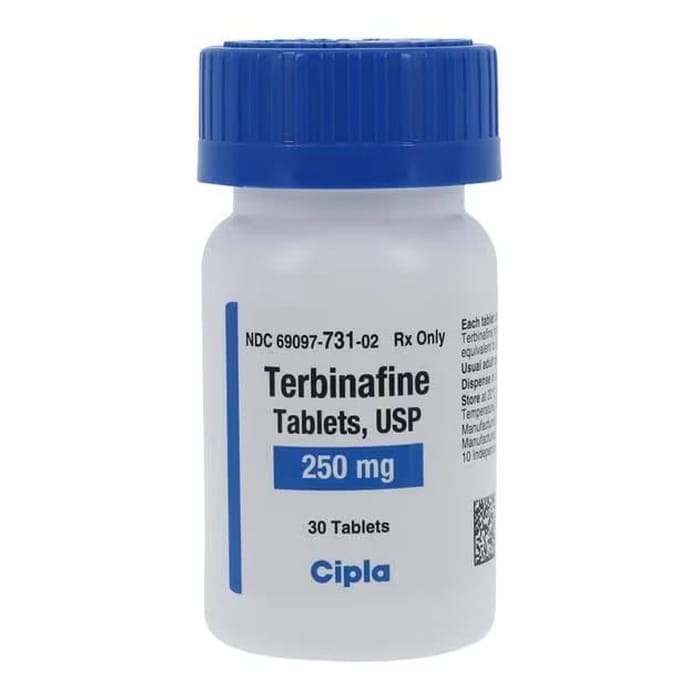
Treatment options often fall into topical and oral categories. Topical products focus on applying medicine to the nail and surrounding skin. Oral antifungal medications are prescription-only and require a clinician to review safety risks. Some people also use supportive care, like careful trimming or addressing athlete’s foot at the same time. A clinician can discuss which approach matches the severity, number of nails involved, and medical history.
When should someone seek in-person care for nail changes?
In-person care can be helpful when nails become painful, very thick, or difficult to trim safely. It can also matter when there is redness, swelling, drainage, or fever-like symptoms with foot changes. People with diabetes, poor circulation, or immune conditions often need more caution with foot and nail concerns. A podiatrist or dermatologist may also evaluate nail disorders that look similar to fungal infection.
What information helps during a telehealth visit for nail concerns?
A clear timeline helps, including when the change started and how it progressed. It also helps to note which nails are involved and whether skin between toes itches or scales. A medication list matters, since some antifungals can interact with other drugs. Prior conditions like diabetes, liver disease, or circulation problems may change the discussion. Medispress offers video visits in a secure app with licensed U.S. clinicians.