


Fungal Infection
Care Options for Fungal Infection
Fungal Infection can affect skin, nails, mouth, or the genital area.
Symptoms often include itching, scaling, redness, burning, or thickened nails.
Browse this category to compare common options and key safety notes.
This collection covers common types, like tinea pedis (athlete’s foot) and candidiasis (yeast overgrowth).
It also includes onychomycosis (nail fungus) and oral thrush (mouth yeast infection).
Information here helps separate fungal problems from other infections that look similar.
Visits can be done by video with licensed U.S. clinicians.
Fungal Infection What You’ll Find
Fungal conditions vary by location and by organism type.
Skin cases often come from dermatophytes, while yeast can affect moist areas.
On this page, listings can help compare forms, ingredients, and practical details.
Browse related collections for Fungal Skin Infection and Fungal Nail Infection when location matters.
Some options focus on athlete’s foot between toes, while others target scalp tinea capitis (scalp ringworm).
Other resources may reference tinea corporis (ringworm) or tinea cruris (jock itch).
Expect a mix of over the counter antifungal options and prescription-only medicines.
Product pages often note dosage forms, storage needs, and label warnings.
Many listings also clarify common use areas, like feet, groin, or nails.
- Common types of tinea and yeast overgrowth terms
- Typical symptoms and patterns, by body area
- Topical forms like creams, sprays, powders, and solutions
- Oral antifungal options, when a prescription is required
- Basic label precautions and interaction considerations
- Notes for kids, older adults, and immunocompromised people
- Guidance on when in-person evaluation may be needed
- Related collections for look-alike infection categories
How to Choose
Choosing a product set starts with the body area involved.
Fungal Infection looks different on feet, nails, scalp, or mucosa.
Using condition names can help match resources to the right pattern.
If signs suggest a non-fungal cause, browsing other collections can help.
Examples include Skin Infection and Bacterial Infection for look-alike rashes.
Genital symptoms can overlap, so Sexually Transmitted Infection resources may add context.
Quick tip: Take clear photos before visits, with consistent lighting.
Match the Pattern and Timeline
- Body area involved, such as feet, groin, scalp, or nails
- How fast symptoms started and whether they are spreading
- Skin changes, like scaling edges, cracks, or satellite spots
- Nail changes, like thickening, lifting, or yellow-brown color
- Recent exposures, including locker rooms, shared shoes, or pets
- New soaps, deodorants, shaving, or friction from clothing
- History of similar flares or recurrent episodes
- Any fever, rapidly worsening pain, or open sores
Review Product Details Before Comparing Options
- Topical versus oral form, based on the condition type
- Intended use area, since some products are skin-only
- Warnings about use on broken skin or near eyes
- Potential interactions for oral agents, based on label notes
- Pregnancy or breastfeeding cautions, if listed on labeling
- Age limits and pediatric notes, when provided
- Whether symptoms suggest mixed infection or irritation
- Questions to ask a clinician about next steps and monitoring
Safety and Use Notes
Some fungal conditions spread through skin contact or shared surfaces.
For background, see CDC overview of fungal diseases.
Others arise when normal yeast grows too much in moist areas.
Medispress uses a secure, HIPAA-compliant app for visits and messages.
A clinician considers symptoms and history before labeling a case Fungal Infection.
Diabetes, immune suppression, or frequent antibiotics can raise risk.
Persistent or recurrent problems may need evaluation for triggers.
Why it matters: Steroid creams can mask rashes and delay evaluation.
Preparation also helps when a visit happens by video.
Use Virtual Doctor Appointment Checklist for practical planning.
For plain-language definitions, review MedlinePlus on fungal diseases.
- Seek urgent care for severe pain, high fever, or fast-spreading redness
- Eye symptoms, facial swelling, or trouble breathing need prompt evaluation
- Oral white patches can have several causes, not only yeast
- Genital irritation can reflect allergy, bacteria, or other conditions
- Immunocompromised people may need earlier clinician review and follow-up
- Children and older adults can have different symptom patterns
- Some home remedies can irritate skin and worsen burning
- Sharing towels, socks, or nail tools can spread organisms
- Ring-like rashes are not always ringworm and need careful review
- Oral antifungals can interact with other medications, based on labeling
Access and Prescription Requirements
Access depends on whether an item is OTC or prescription-only.
Some antifungal medications require a prescription and pharmacy verification.
Fungal Infection listings may note which options need clinician review.
Telehealth visits typically include symptom history and photo review.
When appropriate, clinicians can coordinate prescriptions with partner pharmacies under state rules.
Some people use cash-pay options, often without insurance, for convenience.
Use Virtual Doctor Visit Guide to understand typical online visit steps.
Pharmacies may require confirmed prescriber details and identity checks.
- Prescription-only items require a licensed clinician’s authorization
- Product availability can differ based on state dispensing regulations
- Some conditions may need in-person exams for safe confirmation
- Photo quality affects review, especially for nails and scalp patches
- Prior treatment history helps avoid repeating ineffective approaches
- Allergy history matters when comparing topical ingredients
- Medication lists help screen for interactions and contraindications
- Follow-up needs vary, depending on response and recurrence patterns
Related Resources
For broader context, the Fungal Infection category pairs with nearby collections.
Urinary burning can have many causes, so browse Urinary Tract Infection for comparisons.
Vaginal irritation overlaps with other concerns discussed in Women’s Health Guide.
Keeping notes across episodes can help identify patterns over time.
Tracking triggers supports clearer conversations during clinical review.
- Compare skin, nail, and scalp patterns with consistent photos
- Review ingredient lists for irritants and common allergens
- Note household exposures, including gyms, pets, and shared bedding
- Use symptom timelines to separate flare-ups from steady irritation
- Keep a list of prior products and how the skin responded
- Look for red-flag symptoms that warrant urgent in-person care
This content is for informational purposes only and is not a substitute for professional medical advice.

Find suitable medication for Fungal Infection
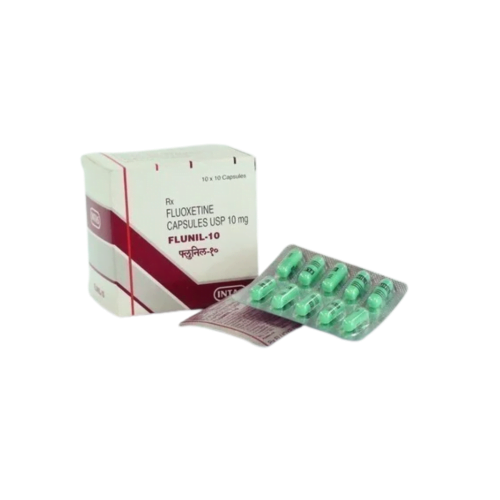

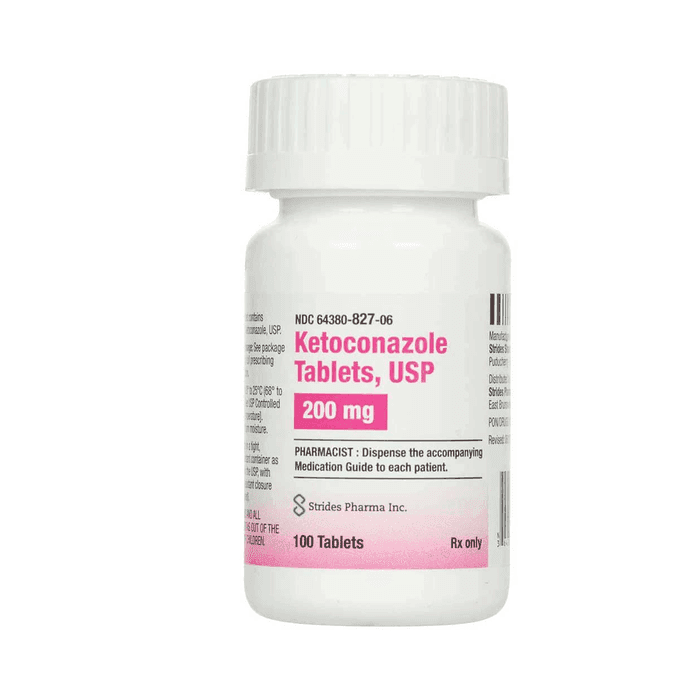
Book a telehealth visit to discuss Fungal Infection
Find a doctor
Speciality
State

Video Visit
$69

Video Visit
$69

Video Visit
$69

Video Visit
$69

Video Visit
$69

Video Visit
$69

Speciality: Dermatology, Family Medicine, Men's Health, Urgent Care, Women's health
Speaks: English, Spanish, French, Arabic, Portuguese
Video Visit
$69

Video Visit
$69

Video Visit
$69

Video Visit
$69

Video Visit
$69

Video Visit
$69
Frequently Asked Questions
What types of fungal infections are common?
Common types include athlete’s foot, jock itch, and ringworm on the body. These are often called tinea infections, caused by dermatophytes. Yeast overgrowth can affect skin folds or the vagina. Nail involvement is called onychomycosis and can thicken nails over time. Oral thrush can cause white patches and soreness. A clinician can help match symptoms with the most likely category.
What is the difference between OTC and prescription antifungals?
Over-the-counter products usually treat mild, surface-level skin symptoms. They often come as creams, powders, sprays, or solutions. Prescription options may be stronger, longer-course, or oral medicines. Some prescription products need extra screening for interactions or warnings. Labels also differ by approved use sites, like skin versus nails. A clinician can explain which route fits the suspected condition and risk profile.
Is a fungal infection contagious?
Some fungal conditions spread through direct skin contact or shared items. Examples include locker room floors, towels, socks, or nail tools. Other yeast-related conditions may not spread the same way. Contagiousness depends on the organism, body site, and exposures. Good hygiene can lower spread within households. If symptoms involve the scalp, nails, or widespread rash, clinical review helps clarify next steps and precautions.
What information helps during a telehealth visit for a suspected fungal issue?
Clear photos and a short timeline help clinicians evaluate patterns. Notes on location, itching, pain, odor, and drainage also matter. Listing recent antibiotics, diabetes history, and immune conditions helps risk assessment. It helps to share past products tried and the skin response. Include a full medication list for interaction screening. For nails, photos of several nails can show the overall pattern.
Why do fungal infections come back?
Recurrence can happen when moisture, friction, or exposure stays the same. Shared surfaces, footwear, or household contacts can reintroduce organisms. Some people have higher risk with diabetes or immune suppression. Antibiotic use can also shift normal bacteria and yeast balance. Irritant rashes can mimic fungus and lead to mismatched treatments. Clinician review can help sort recurrence from a different diagnosis and plan safer options.