


Focal Seizures
Care Options for Focal Seizures
This category page supports patients and caregivers who are researching Focal Seizures. It brings together practical explanations, related seizure-type collections, and access notes. Many people start by sorting symptoms, timing, and possible triggers. Others need help understanding new terms used in clinic notes. This page also helps compare focal-onset events with broader seizure patterns. It is built for browsing and planning next steps, not self-diagnosis.
Telehealth visits are offered for a flat fee through Medispress.
For a broader starting point, browse our Seizures collection. For common convulsive patterns, see Tonic-Clonic Seizures and Generalized Tonic-Clonic Seizures. For other brief jerking events, review Myoclonic Seizures.
Focal Seizures: What You’ll Find
Focal-onset seizures start in one area of the brain. They may affect awareness, movement, senses, or emotions. Notes may mention focal aware seizures (awareness stays intact). They may also mention focal impaired awareness seizures (awareness is reduced). Older terms include simple partial seizures and complex partial seizures.
This page highlights the language clinicians use for types of focal seizures. It also explains common descriptions like a focal seizure aura (early warning feeling). Location terms may appear too, like temporal lobe seizures or frontal lobe seizures. Some records also mention occipital lobe seizures or parietal lobe seizures.
- Plain-language definitions for common focal seizure terms
- Examples of symptoms people often report to clinicians
- Overview of testing terms like EEG and MRI
- Administrative notes for prescription access and refills
- Links to related seizure collections and reading
For a plain-language definition, see this Epilepsy Foundation overview of focal onset seizures.
How to Choose
When browsing information, it helps to separate symptoms from labels. For Focal Seizures, clinicians often focus on what happened first. They also look at how awareness changed during the event. Small details can clarify whether an episode was focal motor seizures or focal nonmotor seizures.
What to track before a visit
- What happened first, including auras or odd sensations
- Awareness during the event, and memory afterward
- Body movements, speech changes, or staring spells
- Timing, sleep loss, stress, illness, or missed meals
- Any injuries, falls, or breathing changes
- Medicines, supplements, alcohol use, and recent changes
Quick tip: Keep a simple log of episodes, timing, and possible triggers.
Questions that can clarify the plan
- How this compares with focal seizures vs generalized seizures
- Whether a referral to neurology is appropriate now
- What tests are usually considered, and why
- What medication names mean in the context of seizure control
- What follow-up information would be most useful next time
If alcohol use is part of the history, it can affect seizure risk. This guide may help with context: Alcohol Dependence Treatment Options.
Safety and Use Notes
Safety topics matter with Focal Seizures, even when events seem brief. Some focal seizures in adults can look like confusion or sudden pauses. Focal seizures in children may show as unusual behaviors or repeated movements. It is also possible for a focal event to spread and become convulsive.
Video visits use a secure, HIPAA-compliant app for privacy.
- Standard seizure first aid focuses on preventing injury and tracking time
- Driving and work restrictions may apply after seizures, by local rules
- Triggers vary, and may include sleep loss, illness, or alcohol withdrawal
- Temporal, frontal, occipital, or parietal terms describe where activity starts
- A change in pattern is often a reason to re-check the diagnosis
Why it matters: Some symptoms can mimic fainting or panic, and notes help reduce confusion.
Diagnosis language can be confusing. EEG for focal seizures means an electroencephalogram (brain-wave test). MRI for focal seizures means magnetic resonance imaging (brain scan). Results help clinicians consider causes and next steps. For a general overview of seizures and urgent warning signs, see this MedlinePlus seizures reference.
Access and Prescription Requirements
Many treatments involve prescription medicines that must be prescribed by a licensed clinician. Pharmacies also verify prescriptions before dispensing. This page may reference medications for focal seizures in general terms. Specific drug selection, dosing, and changes depend on clinical history.
Some people prefer cash-pay options, often without insurance, for simpler access. Others use insurance through their usual pharmacy workflow. Either way, prescriptions remain regulated and state-specific. Refills can also require updated documentation or follow-up, depending on the medicine.
- Bring an updated medication list and recent pharmacy information
- Share prior testing details, including EEG or MRI reports if available
- Ask what documentation is needed for refills and continuity of care
- Confirm whether a neurology evaluation is recommended for complex cases
- Check for interactions, especially with sedatives and alcohol
If appropriate, clinicians can route prescriptions to partner pharmacies under state rules.
For practical terms used in prescriptions and refills, read Prescription Rx Basics.
Related Resources
It can help to compare patterns across seizure types and descriptions. Focal events may be discussed alongside generalized convulsions, or brief myoclonic jerks. This can support clearer conversations with clinicians and caregivers. For deeper browsing, the collections below group related topics in one place.
- Seizures for broad terminology and navigation
- Tonic-Clonic Seizures for convulsive seizure patterns
- Generalized Tonic-Clonic Seizures for generalized onset context
- Myoclonic Seizures for brief shock-like movements
When comparing Focal Seizures with other categories, focus on onset, awareness, and recovery. Those three details often guide the next clinical questions.
This content is for informational purposes only and is not a substitute for professional medical advice.

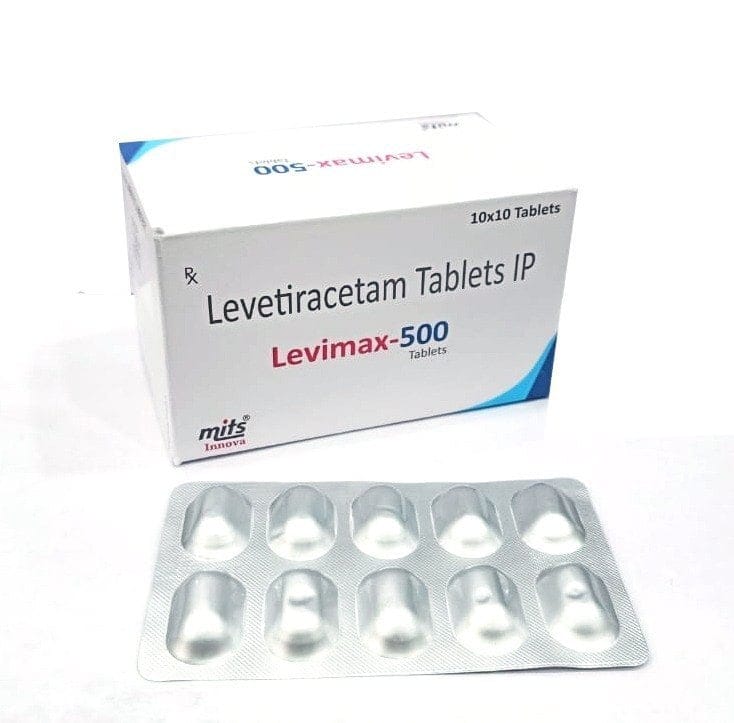
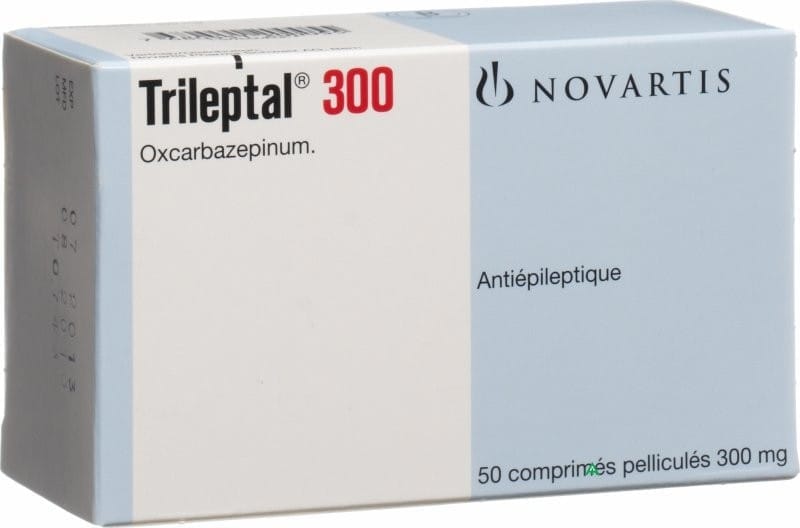
Find suitable medication for Focal Seizures



Book a telehealth visit to discuss Focal Seizures
Find a doctor
Speciality
State

Video Visit
$69

Video Visit
$69

Video Visit
$69

Video Visit
$69

Video Visit
$69

Video Visit
$69

Speciality: Dermatology, Family Medicine, Men's Health, Urgent Care, Women's health
Speaks: English, Spanish, French, Arabic, Portuguese
Video Visit
$69

Video Visit
$69

Video Visit
$69

Video Visit
$69

Video Visit
$69

Video Visit
$69
Frequently Asked Questions
What can be browsed on the Focal Seizures category page?
This browse page groups practical information and related collections in one place. It focuses on common terms used for focal-onset events, including awareness changes and aura descriptions. It also explains how clinicians may discuss seizure location, such as temporal or frontal lobe onset. You will also find navigation links to other seizure-type collections and a few deeper reading pages. It is meant to support informed conversations, not to confirm a diagnosis.
What is the difference between focal aware and focal impaired awareness seizures?
These terms describe how awareness is affected during a focal-onset seizure. In focal aware seizures, a person stays aware and can often recall the event. In focal impaired awareness seizures, awareness is reduced, and memory may be incomplete. Older terms you may still see are simple partial seizures and complex partial seizures. Clinicians use these labels alongside symptom details, timing, and test results to guide evaluation and treatment planning.
When is a seizure an emergency?
Emergency care may be needed when a seizure lasts longer than expected, repeats without recovery, or causes serious injury. Breathing problems, severe confusion that does not improve, or a first-time seizure are also common reasons for urgent evaluation. If a person is pregnant, has diabetes, or has other serious medical conditions, clinicians may advise lower thresholds for urgent care. Local emergency guidance should be followed for immediate safety concerns.
How are focal seizures usually diagnosed?
Clinicians often start with a detailed history from the person and any witnesses. They may ask about auras, awareness, movements, speech, and recovery afterward. Testing can include an EEG (brain-wave test) to look for seizure patterns. Imaging like an MRI (magnetic resonance imaging) may be used to evaluate possible structural causes. Diagnosis also considers similar conditions, since fainting, migraines, and sleep events can sometimes look similar.
How does prescription access work for seizure medicines on Medispress?
Prescription seizure medicines require a clinician’s evaluation and a valid prescription. Medispress supports telehealth video visits with licensed U.S. clinicians through a secure app. Clinicians decide what is appropriate based on history, safety factors, and records. When clinically appropriate, prescriptions may be coordinated through partner pharmacies, following state regulations. Some patients use cash-pay options, often without insurance, depending on their situation and pharmacy pathways.