


Flea Infestation
Care Options for Flea Infestation
This category page supports practical navigation for bite and pest concerns. Flea Infestation can affect people, pets, and shared living spaces. It often involves itching, visible insects, and repeated reinfestation. This collection focuses on common signs, household context, and care options. It also helps sort what may need pest control versus medical review.
Many cases start with a few bites, then spread through carpets and bedding. Eggs and larvae can hide in fabric and floor seams. The flea life cycle also drives “new” fleas after cleaning. Use this page to compare resources and understand common terms. It can make follow-up conversations more efficient.
Flea Infestation What You’ll Find
This browse page brings together condition-aligned resources and listings. It supports households managing pets, children, and shared spaces. Expect plain-language explanations of signs, plus what details matter for follow-up. Some resources focus on indoor exposure, while others cover outdoor and yard issues.
Common topics include signs of flea infestation, flea eggs in house, and fleas in carpet. Many people also look for flea fogger safety and post-treatment flea cleanup. Some listings may reference insect growth regulators for fleas, since these products target development stages. Others focus on prevention steps that reduce repeat outbreaks.
Why it matters: Eggs and larvae may persist, even after adult fleas disappear.
- Overviews of flea bites on humans and common skin reactions
- Household context like apartment flea infestation and fleas in bed
- Basic terminology, including cat flea vs dog flea distinctions
- Decision points like when to call an exterminator for fleas
- Administrative notes for care access and prescription requirements
Visits are by video with licensed U.S. clinicians in a secure app.
How to Choose
Start by matching resources to the setting and the timeline. A short-lived exposure can look different than a recurring problem. For a suspected Flea Infestation, it helps to separate pet exposure from indoor sources. It also helps to note whether bites continue after cleaning efforts.
Home and environment factors
- Flooring type, including rugs, carpets, and upholstered furniture
- Recent travel, guests, or secondhand furniture in the home
- Shared spaces, including multi-unit buildings and common hallways
- Outdoor exposure, including yard flea control and shaded areas
- Cleaning limits, including vacuuming for fleas and washing bedding for fleas
- Previous products used, including flea spray for home or foggers
People and pet health factors
- Who is affected, including children, older adults, and sensitive skin
- Whether pets show signs, such as scratching or flea dirt
- History of allergy-like reactions or asthma triggered by irritants
- Concerns about open sores or signs of skin infection
- Need for professional flea control when home steps are not enough
Quick tip: Keep a simple log of cleaning steps and dates.
Safety and Use Notes
When Flea Infestation is suspected, product safety becomes part of the plan. Many household pesticides can irritate skin, eyes, or lungs. Labels also vary by room type, ventilation, and surface. Natural flea remedies can still cause problems in sensitive households. “Natural” does not always mean safer for pets or children.
Some people try diatomaceous earth for fleas, sprays, or foggers. These can create dust exposure or residue on surfaces. It is also easy to mix methods in unsafe ways. If pesticides are used, following the label is essential. For a public health overview, see CDC information about fleas and related risks.
- Extra caution is needed around infants, toddlers, and crawling children
- Households with asthma may react to aerosols and powders
- Pets can ingest residues during grooming, especially cats
- Foggers can pose fire and inhalation risks without label compliance
- Unexplained swelling, blistering, or fever warrants medical evaluation
Clinicians decide what care is appropriate after reviewing symptoms and history.
For pesticide handling basics, review EPA safe pest control guidance before selecting products.
Access and Prescription Requirements
Some Flea Infestation concerns overlap with medical issues, like dermatitis (skin inflammation). Bites can also resemble other rashes, including scabies or contact reactions. A clinician may help sort likely causes and next steps. That can be useful when symptoms persist despite environmental cleanup. It can also help when multiple people develop similar lesions.
Medispress supports telehealth video visits with licensed U.S. clinicians. When clinically appropriate, providers may coordinate prescription options through partner pharmacies. State regulations can affect what is available and how it is dispensed. Some services may be cash-pay, often without insurance, depending on the listing.
- Scheduling details, including visit format and documentation needs
- Current medication list and any known allergies or sensitivities
- Household context, including pets and recent pest control methods used
- Timing patterns, such as bites after sleep or after time outdoors
- Any concerning symptoms, such as spreading redness or drainage
If a prescription is needed, providers may route it through partner pharmacies, per state rules.
Related Resources
Similar symptoms can come from different pests or exposures. For Flea Infestation comparisons, it may help to browse nearby condition collections. See the Fleas collection for broader context on household exposure. If outdoor bites are a concern, review Tick Infestation for overlapping skin findings. For other small arthropods, the Mite Infestation collection can help compare patterns and terminology.
This content is for informational purposes only and is not a substitute for professional medical advice.

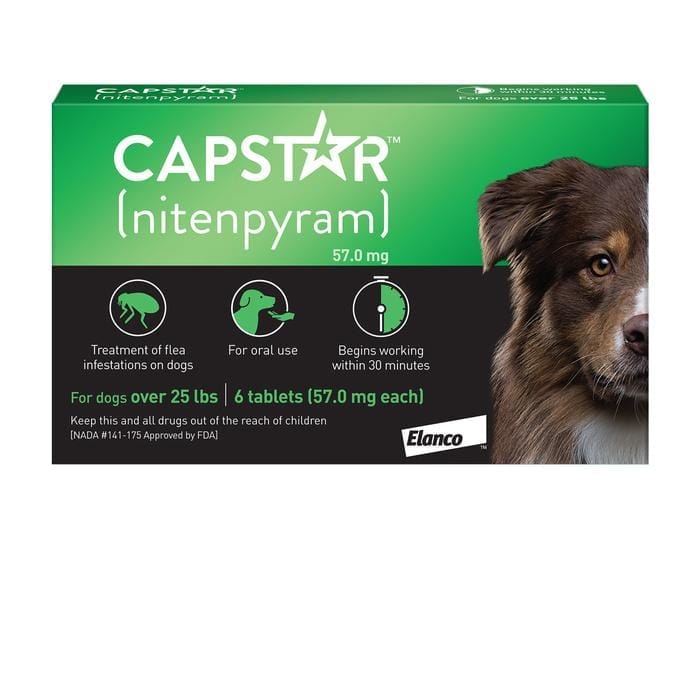
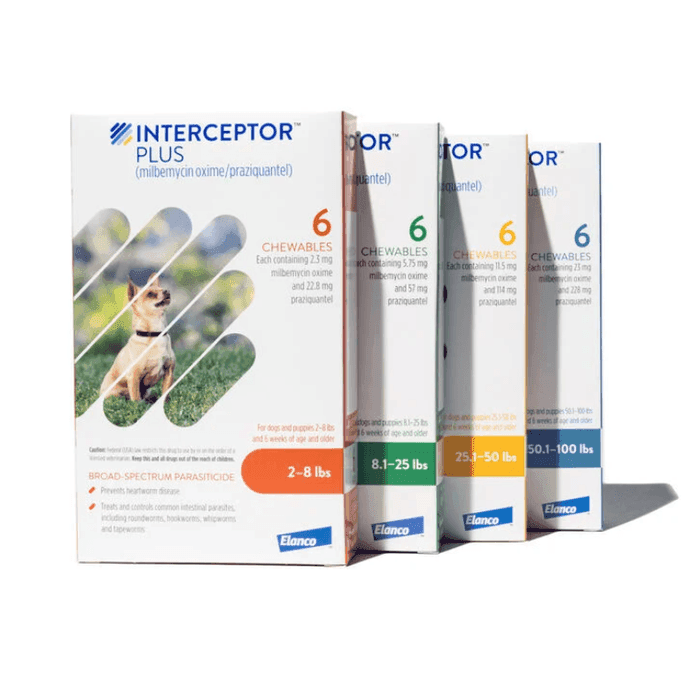
Find suitable medication for Flea Infestation



Book a telehealth visit to discuss Flea Infestation
Find a doctor
Speciality
State

Video Visit
$69

Video Visit
$69

Video Visit
$69

Video Visit
$69

Video Visit
$69

Video Visit
$69

Speciality: Dermatology, Family Medicine, Men's Health, Urgent Care, Women's health
Speaks: English, Spanish, French, Arabic, Portuguese
Video Visit
$69

Video Visit
$69

Video Visit
$69

Video Visit
$69

Video Visit
$69

Video Visit
$69
Frequently Asked Questions
What are the signs of a flea infestation?
Common signs include clusters of itchy bites, often around ankles or waistlines. Pets may scratch more, or show hair loss and irritated skin. Small dark specks (“flea dirt”) can appear in fur or bedding. Fleas may be noticed jumping on socks or crawling on pet bedding. Indoors, activity often concentrates near carpets, couches, and pet resting areas. A confirmed infestation usually requires finding fleas, flea dirt, or both.
How can I tell flea bites from other rashes?
Flea bites often appear as small, itchy bumps in groups or lines. They can resemble bed bug bites, contact dermatitis, or other insect bites. Some people develop larger welts due to allergy-like reactions. Scratching can also cause secondary irritation or infection signs. A clinician can help interpret patterns, timing, and photos when available. Urgent symptoms, like trouble breathing or facial swelling, need emergency evaluation.
When should professional flea control be considered?
Professional help can be reasonable when home cleanup fails repeatedly. It can also help in apartments with shared walls or hallways. Recurring bites after vacuuming and laundering may suggest hidden sources. Heavy carpeted areas and clutter can make self-treatment harder. Pest professionals can inspect for hotspots and advise on integrated approaches. They can also help limit unsafe mixing of sprays, powders, and foggers.
What should I gather before scheduling a telehealth visit?
Having basic details ready can make the visit more efficient. Note when symptoms started and where bites tend to appear. List any pets in the home and recent flea prevention steps used. Record any pest control products already applied, including sprays or foggers. Prepare a medication list and known allergies. During scheduling, include the state where the visit will occur, since rules vary.
Are flea products safe around children and pets?
Safety depends on the product type, concentration, and label instructions. Sprays, powders, and foggers can irritate lungs and skin. Cats may be especially sensitive to certain insecticides used for dogs. “Natural” products can still cause irritation or toxicity if ingested. For any pesticide, follow the label and keep products secured. If symptoms like vomiting, wheezing, or lethargy occur after exposure, seek prompt care.