


Feline Panleukopenia
Care Options and Resources for Feline Panleukopenia
Feline Panleukopenia is a severe viral illness in cats, especially kittens. This category page collects practical references for caregivers and shelter teams. It focuses on what the condition is, how it spreads, and key terms.
Many sources call it feline parvovirus or feline distemper, caused by FPV in cats. Medispress video visits connect patients with licensed U.S. clinicians securely. Those visits support human health needs during stressful caregiving situations. For pet diagnosis and panleukopenia treatment decisions, a veterinarian is essential.
Feline Panleukopenia What You’ll Find
This browse page centers on education, definitions, and related condition collections. It may also include items that support caregiving tasks and cleanup planning. Each listing should make requirements clear, including when prescriptions apply.
Look for clear explanations of panleukopenia symptoms and what they can mean. Common examples include vomiting, diarrhea, fever, and appetite loss. It also explains leukopenia in cats (low white blood cells) in plain language. Notes on dehydration in kittens are included for context, not self-care.
Many people arrive after a shelter exposure or a new cat intake. This page outlines the incubation period panleukopenia and common transmission of panleukopenia routes. It also covers why the virus can stay in the environment. For nearby comparisons, browse Feline Calicivirus Infection or Feline Herpesvirus Infection.
Why it matters: Kittens can dehydrate quickly, so timing discussions often matters a lot.
- Symptom language and common caregiver questions
- Diagnosis vocabulary, including common rapid and lab tests
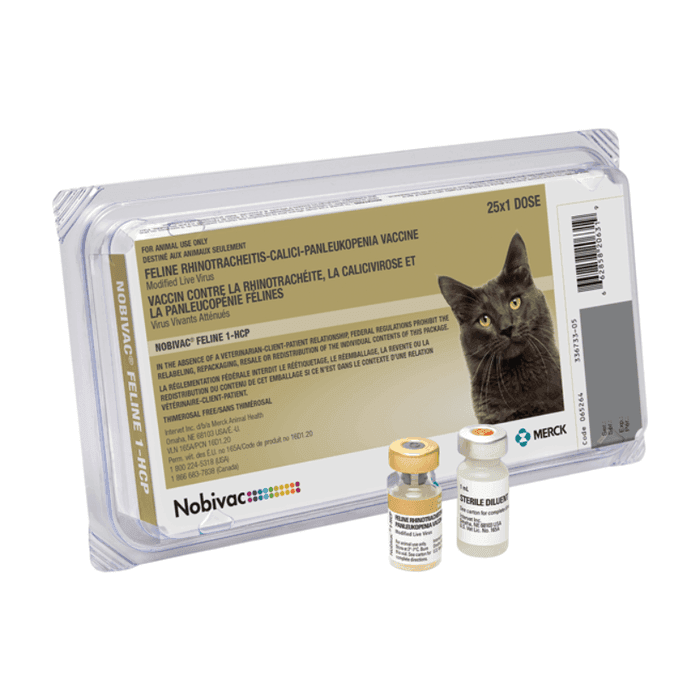
- Prevention panleukopenia basics, including vaccination concepts
- Cleanup and isolation terms used by clinics and shelters
- Links to related Medispress pages for broader context
How to Choose
Use this page to sort information by situation and urgency level. Feline Panleukopenia can resemble other stomach or infection problems early. That is why many sections focus on questions to ask, not conclusions. Start with age, exposure setting, and vaccination history.
Match the situation
Different settings change what details matter most. Homes often focus on one cat and recent exposures. Shelters focus on outbreak management shelters and intake risk screening. Catteries focus on cattery biosecurity and repeat cleaning workflows.
- Age group, including panleukopenia in kittens versus adult cats
- Exposure type, including recent adoption, boarding, or community cats panleukopenia risk
- Vaccination record status and last known panleukopenia vaccine date
- Terms tied to vaccination schedule cats, which varies by life stage
- Whether signs suggest high dehydration risk, especially in young cats
- Isolation language, including quarantine guidelines cats used by clinics
- Testing terms like ELISA test for FPV (rapid antigen test) or PCR test panleukopenia
- Supportive care for panleukopenia phrasing, without listing specific regimens
Prepare for clinical conversations
Some visitors want help understanding panleukopenia diagnosis wording seen on discharge papers. Others want context around prognosis panleukopenia, recovery time panleukopenia, or survival rate panleukopenia. Outcomes can vary with age, hydration status, and time to care. A veterinary team can interpret those factors for an individual cat.
Caregivers managing worry may also want support for themselves. Medispress has mental health reading like Anxiety Doctor Near Me, which focuses on choosing care options. That content addresses human symptoms and services, not animal treatment.
Safety and Use Notes
This section supports safe handling and communication, not home treatment. Feline Panleukopenia is considered highly contagious to other cats in close-contact settings. It is not known to infect people, but hygiene still matters. Clinics may recommend strict isolation because the virus can persist on surfaces.
Medispress uses a HIPAA-compliant app for secure telehealth appointments. That privacy model applies to human care and health records. It does not replace veterinary medical records or clinic instructions.
Prevention panleukopenia discussions usually include vaccination and exposure control. The panleukopenia vaccine is typically part of core feline vaccines. A veterinarian can confirm timing for a specific household or shelter plan. For veterinary background, review the Cornell Feline Health Center overview.
- Ask a clinic how long isolation should last for exposed cats
- Clarify which disinfectants work for disinfection for parvovirus cats
- Follow label directions for bleach dilution panleukopenia discussions and safe handling
- Separate litter tools and food bowls to reduce cross-contamination
- Confirm whether dogs in the home need separate canine guidance
Quick tip: Keep vaccine dates and adoption paperwork together for faster check-ins.
Some resources also summarize how the virus affects the gut and immune system. These summaries often mention bone marrow effects and leukopenia, which can complicate illness. For deeper reference, see the Merck Veterinary Manual page. It explains common terms used in clinic notes.
Access and Prescription Requirements
Treatment decisions for cats require a veterinarian, and many therapies are prescription-only. This category page is meant to support understanding, browsing, and planning. Feline Panleukopenia discussions here focus on administrative steps and terminology.
When products are shown on Medispress, each page should state whether an Rx is required. Prescription items generally need verification before dispensing through licensed pharmacies. Cash-pay options may be available, often without insurance, depending on the item. Records and requirements can vary by medication type and jurisdiction.
When clinically appropriate, providers may coordinate prescriptions through partner pharmacies, depending on state rules. Clinicians make their own decisions based on patient needs and regulations. That workflow applies to human prescriptions, not veterinary prescribing.
- Look for clear Rx labeling and any intake requirements on product pages
- Keep documentation organized if a pharmacy requests verification
- Check eligibility notes for controlled or restricted medications
- Use secure messaging for administrative questions about orders and accounts
Related Resources
Caregiving can strain sleep, focus, and mood, especially during isolation periods. For human support topics, browse Telehealth For Anxiety and Overcome Depression With Routines. Those pages explain care pathways for people using telehealth. They do not cover veterinary care or animal medication.
For broader context and community support themes, review World Mental Health Day. For more complex mood topics, see Treat Bipolar Disorder Safely. Veterans may prefer Veterans First Virtual Healthcare for access background.
For cat-health browsing, return to this Feline Panleukopenia collection and compare related viral categories. Keeping terms consistent can help when reading shelter notes or discharge summaries. If something seems unclear, a veterinary team can translate the language into next steps.
This content is for informational purposes only and is not a substitute for professional medical advice.

Find suitable medication for Feline Panleukopenia
Book a telehealth visit to discuss Feline Panleukopenia
Find a doctor
Speciality
State

Video Visit
$69

Video Visit
$69

Video Visit
$69

Video Visit
$69

Video Visit
$69

Video Visit
$69

Speciality: Dermatology, Family Medicine, Men's Health, Urgent Care, Women's health
Speaks: English, Spanish, French, Arabic, Portuguese
Video Visit
$69

Video Visit
$69

Video Visit
$69

Video Visit
$69

Video Visit
$69

Video Visit
$69
Frequently Asked Questions
What is feline panleukopenia also called?
Feline panleukopenia is often called feline parvovirus or feline distemper. Many clinics also shorten it to FPV in cats. The virus can cause severe intestinal illness and immune suppression. Care materials may mention leukopenia, which means low white blood cells. Naming varies by source, so pages may use more than one term. This category page uses common labels so caregivers can match them to records.
What topics are covered on this Feline Panleukopenia page?
This category page focuses on definitions, planning language, and related browsing. It covers common symptom terms, transmission basics, and prevention concepts like vaccines. It also explains clinic terms used in panleukopenia diagnosis discussions. Some sections reference cleaning and isolation vocabulary used by shelters. When listings are present, they may note whether an item requires a prescription. For treatment decisions for a cat, a veterinarian remains the right point of care.
How is panleukopenia different in kittens?
Many resources flag panleukopenia in kittens because illness can progress quickly. Younger cats can be more vulnerable to dehydration and immune impacts. That is why pages often highlight hydration risk language and monitoring concerns. This category page does not provide home treatment instructions or dosing. It aims to explain terms caregivers may hear at a clinic or shelter. A veterinarian can confirm what the signs mean for a specific kitten.
Is feline panleukopenia contagious to people or other pets?
Feline panleukopenia is considered contagious to other cats, especially in shared spaces. It is not known to infect people. Dogs can get canine parvovirus, which is a different virus. Mixed-pet homes may still need careful hygiene because viruses can move on objects. Many guides stress cleaning, isolation, and vaccine planning for cats. A veterinary team can clarify risks for a specific household or shelter environment.
Can Medispress provide prescriptions related to feline panleukopenia?
Veterinary medications for cats require a veterinarian’s evaluation and prescription. Medispress telehealth connects people with licensed U.S. clinicians for human healthcare needs. When appropriate, those clinicians may coordinate human prescriptions through partner pharmacies, subject to state rules. This category page is educational for caregivers and includes browsing support. It can help explain terms seen in veterinary records. It should not be used as a substitute for veterinary care or treatment planning.