


Feline Herpesvirus Infection
Care Options for Feline Herpesvirus Infection
Caring for a cat with sneezing, eye discharge, or squinting can feel urgent. This category page focuses on Feline Herpesvirus Infection and the terms that often come up during veterinary visits. It also covers how this virus relates to cat upper respiratory infection signs. Many people hear the name feline viral rhinotracheitis, which is the same condition. Use this page to browse related condition collections and learn the language used in records.
Medispress visits are video-based with U.S.-licensed clinicians. This page stays practical and administrative. It helps organize what to look for and what to document. It also explains how prescription rules can affect access to certain treatments.
Feline Herpesvirus Infection What You’ll Find
This collection brings together guidance topics that commonly support care planning. It uses both medical and plain-language terms for respiratory and eye concerns. It also highlights how flare patterns can differ from a one-time cold. Many cats carry feline herpesvirus FHV-1 long term, even after symptoms ease.
Expect clear explanations of common problem areas, like feline conjunctivitis (inflammation of the eye’s surface). You may also see references to feline keratitis (corneal inflammation) and corneal ulcers. These can show up as squinting, redness, or light sensitivity. Some cats mainly show cat sneezing and nasal discharge, especially in crowded settings.
Why it matters: Eye pain can look subtle, but still needs prompt veterinary assessment.
- Key terms, including FHV-1, rhinotracheitis, and chronic rhinitis
- Symptom patterns to note, from nasal discharge to ocular discharge
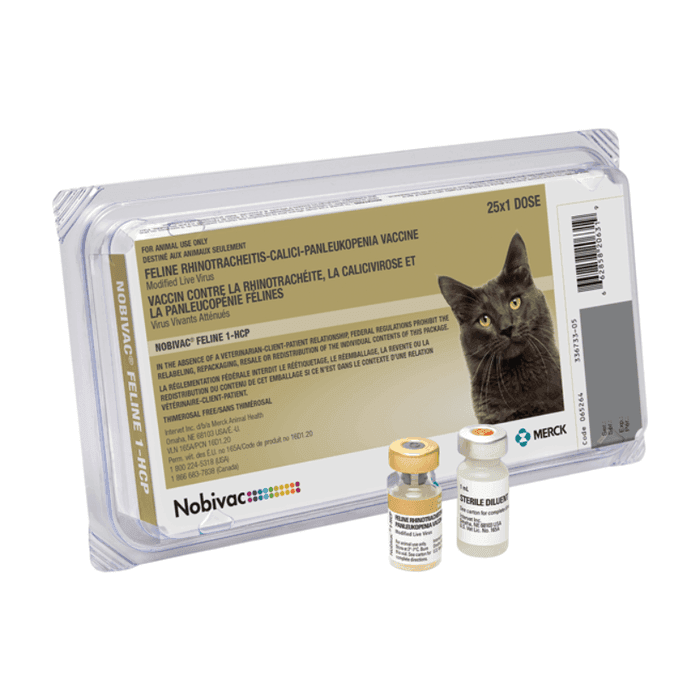
- Basic prevention concepts, including FVRCP vaccine discussions with a veterinarian
- Household control basics for multi-cat homes and new arrivals
- Questions to bring to a veterinarian about treatment categories and follow-up
How to Choose
Different pages in this collection may suit different situations. Some focus on first-time cat colds. Others focus on managing feline herpes flare ups over time. Use the sections below to narrow what to read first. Keep notes as information changes across days.
Match the resource to the main symptom set
- Eye-focused concerns: squinting, redness, cloudiness, or thick discharge
- Nose-focused concerns: congestion, mouth breathing, or noisy breathing sounds
- General signs: low appetite, dehydration risk, or lethargy
- Age and setting: feline herpes in kittens, shelters, boarding, or new adoptions
- Contagion context: recent new cat, foster intake, or a known sick contact
The same visible signs can come from different causes. Caregivers often ask about differentiating herpes vs calicivirus, since both cause upper respiratory disease. Use resources that explain overlap and limits of symptom-only guessing. When possible, choose materials that explain what a veterinarian looks for on exam.
Plan for longer-term patterns
Some cats develop chronic rhinitis in cats after repeated episodes. Others mainly show intermittent eye flares tied to stress triggers. Track what changed before symptoms started, like travel or a new pet. Also note appetite, water intake, and litter box changes.
| Observation | Why it helps | What to write down |
|---|---|---|
| Eye discharge type | Helps describe severity and timing | Clear vs thick, one eye vs both |
| Nasal discharge | Supports infection pattern discussion | Color, amount, and whether sneezing increased |
| Breathing effort | Flags urgent assessment needs | Mouth breathing, wheezing sounds, or open-mouth episodes |
| Appetite and drinking | Shows functional impact | How much was eaten and any vomiting |
Safety and Use Notes
Respiratory and eye conditions in cats can worsen quickly. A veterinarian should assess persistent squinting, severe lethargy, or dehydration risk. This is especially important for very young cats and older cats. Some complications can involve the cornea or secondary infections.
When discussing feline herpes treatment options, it helps to separate medication categories. Some treatments aim to reduce viral replication. Others treat secondary bacterial infections, if present. Still others focus on comfort measures and hydration support. A veterinarian decides what fits the cat’s exam findings and history.
- Avoid using leftover human medicines or another pet’s prescriptions.
- Ask about eye products and handling hygiene to reduce contamination.
- Discuss drug interactions and kidney or liver history before new prescriptions.
- Use caution with supplements marketed for colds; quality varies widely.
- Understand that evidence for L-lysine for cats remains mixed.
Appointments run in a secure, HIPAA-compliant app. For an established reference point, see this veterinary overview from Merck Veterinary Manual. For context on shelter and household spread, see Cornell Feline Health Center. These sources can help frame questions for a veterinarian.
Quick tip: Keep photos of eye changes, dated by day and time.
Access and Prescription Requirements
Some items discussed in this collection require a prescription. Others may be over-the-counter supportive care supplies. Prescription status depends on the medication and the state rules that govern dispensing. Feline Herpesvirus Infection discussions often include antiviral and eye-related prescriptions, but availability varies.
When a prescription is required, pharmacies generally verify a valid prescription before dispensing. This can include verifying the prescriber, the patient details, and the directions. If cash-pay access applies, it is often available without insurance. Keep in mind that pet prescriptions usually come from a veterinarian, not a human clinic.
- Check whether a listing is marked Rx-only before comparing options.
- Have the prescribing clinic’s contact details ready for verification steps.
- Review refill limits and substitution rules with the dispensing pharmacy.
- Store medications as labeled and keep them away from children and pets.
When appropriate, clinicians can coordinate prescriptions through partner pharmacies, and state rules may apply.
Related Resources
Feline Herpesvirus Infection can look similar to other feline viral illnesses at first glance. For nearby comparisons, browse Feline Calicivirus Infection, since symptoms can overlap. Also review Feline Panleukopenia if vomiting, severe diarrhea, or extreme weakness is present, since that condition can be more systemic.
Caregiver stress can build during repeated flare-ups and sleep loss. If support resources help with day-to-day functioning, browse Telehealth For Anxiety and Choosing An Anxiety Doctor for care navigation basics. For routine-building ideas, see Depression Routines And Support. If mood symptoms feel complex, Treat Bipolar Disorder Safely may offer context for structured care. Community moments also matter, including World Mental Health Day and Veterans First Virtual Healthcare.
If cash-pay is needed, it is often possible without insurance for eligible services. Keep records together, including visit notes and pharmacy communications. This makes follow-up smoother across clinics and households.
This content is for informational purposes only and is not a substitute for professional medical advice.

Find suitable medication for Feline Herpesvirus Infection
Book a telehealth visit to discuss Feline Herpesvirus Infection
Find a doctor
Speciality
State

Video Visit
$69

Video Visit
$69

Video Visit
$69

Video Visit
$69

Video Visit
$69

Video Visit
$69

Speciality: Dermatology, Family Medicine, Men's Health, Urgent Care, Women's health
Speaks: English, Spanish, French, Arabic, Portuguese
Video Visit
$69

Video Visit
$69

Video Visit
$69

Video Visit
$69

Video Visit
$69

Video Visit
$69
Frequently Asked Questions
What does this category page include?
This category page collects navigation and education related to a single condition. It may include plain-language definitions, common symptom terms, and prevention concepts. It may also link to nearby condition collections for comparison. The goal is to make browsing simpler and reduce confusion during follow-up. It does not replace a veterinarian’s exam. It also does not guarantee which medications are appropriate for any cat.
What are common cat herpes symptoms people document?
Caregivers often document sneezing, nasal congestion, and nasal discharge. Eye signs are also common, including watery or thick discharge and squinting. Some cats eat less because smell and comfort change. Kittens may show more severe signs, especially in group housing. Writing down the first day of symptoms helps. Photos of eye changes can help a veterinarian compare progression over time.
How do veterinarians differentiate herpes vs calicivirus?
Many cats show similar signs with different viruses, so history matters. Veterinarians often consider ulcer patterns, mouth lesions, fever history, and outbreak context. They may also discuss lab testing such as PCR (a method that detects viral genetic material). Results can still need clinical interpretation, since cats may carry viruses without active disease. A veterinarian can also evaluate for bacterial infection, allergies, or irritants that mimic viral illness.
What does a “flare up” mean with feline herpesvirus FHV-1?
FHV-1 can become latent, meaning it stays in the body quietly. Stressful events can trigger recurrence, so signs return after a period of calm. Triggers can include moving, new pets, boarding, or other illness. Some cats mainly show eye symptoms during flares. Others show upper respiratory signs. Tracking patterns can help a veterinarian judge whether signs fit a recurrence or a new problem.
What can multi-cat households do to reduce spread?
URI viruses can spread through close contact and shared surfaces. Households often reduce risk by separating food bowls and litter boxes for sick cats. They also clean high-touch items like carriers and bedding. Hand hygiene between cats helps, especially after wiping eyes or noses. Quarantine length and return-to-group decisions depend on the veterinarian’s guidance. Vaccination status and age also affect risk during outbreaks.
When are prescriptions involved, and how is verification handled?
Some treatments discussed for feline respiratory or eye disease require a prescription. A licensed pharmacy typically verifies a valid prescription before dispensing. Verification often includes prescriber information and patient details. Partner pharmacy fulfillment can depend on state rules and the medication type. Cash-pay access may be available without insurance for some services. For pet medications, prescriptions usually come from a veterinarian, so clinic contact details are important to keep handy.