


Feline Calicivirus Infection
Care Options for Feline Calicivirus Infection
Caring for a sick cat can feel stressful and uncertain. This Feline Calicivirus Infection category page brings together practical, browsing-friendly resources. It covers common feline calicivirus symptoms, spread in multi-cat homes, and prevention basics. It also explains how FCV symptoms in cats can overlap other feline upper respiratory infection causes. Many caregivers notice sneezing, eye or nose discharge, and oral ulcers in cats. Some cats also develop limping syndrome (temporary lameness).
Use this collection to get oriented before a veterinary visit. It can also help organize questions about isolation, cleaning, and vaccination history. Medispress telehealth visits are provided by licensed U.S. clinicians over video.
Feline Calicivirus Infection What You’ll Find
This browse page focuses on clear, non-technical explanations first. It also includes clinical terms when they help clarify a vet’s notes. For example, stomatitis (painful mouth inflammation) may be discussed alongside “mouth sores.” Virulent systemic calicivirus (VS-FCV) may be mentioned as a rare, more severe form.
Caregivers often need fast answers about what spreads easily. This page highlights feline calicivirus transmission, surface survival concerns, and cleaning basics. It also flags higher-risk settings, like calicivirus in shelter cats and calicivirus in kittens.
Why it matters: Respiratory viruses can spread quickly in crowded, shared-air spaces.
- Symptom overviews, including cat mouth ulcers calicivirus patterns
- Notes on incubation periods and the calicivirus carrier state in cats
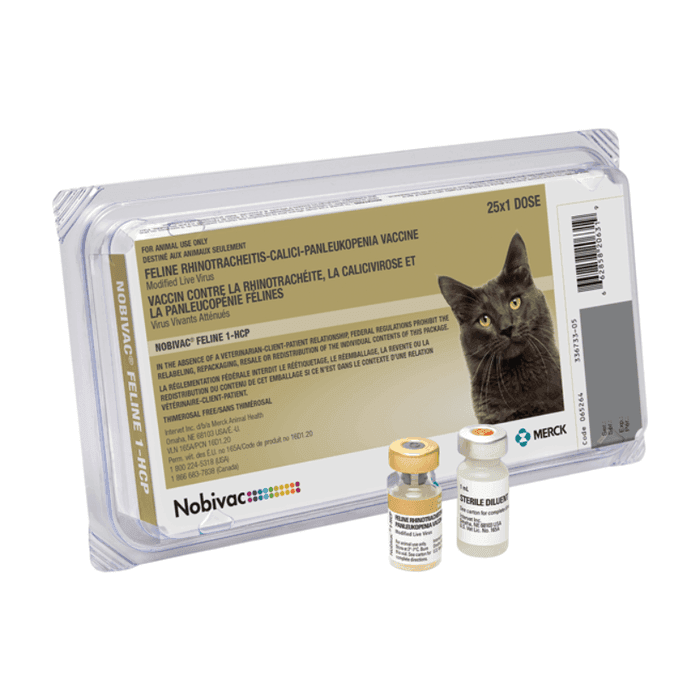
- Prevention topics, including feline calicivirus vaccine basics
- Cleaning and calicivirus disinfection cats considerations
- Navigation to related condition collections and reading
How to Choose
When comparing resources about Feline Calicivirus Infection, start with what is most actionable. Focus on identifying patterns and clarifying what needs a veterinarian’s input. Many cats show mild signs, but some cases escalate quickly. Mixed infections can also change how symptoms look.
Symptom patterns and overlap
Some signs point more strongly toward FCV than other causes. Others are common across feline upper respiratory infection syndromes. Use this checklist to sort “likely,” “possible,” and “needs evaluation.”
- Presence of oral ulcers in cats, drooling, or painful eating
- Fever patterns and energy changes, especially in kittens
- Lameness episodes suggesting limping syndrome calicivirus involvement
- Severity in shelters or multi-cat household calicivirus settings
- How quickly signs spread between cats sharing bowls or litter areas
What to compare across related conditions
FCV can resemble other viral conditions. Comparing key differences can reduce confusion during a vet visit. For contrast reading, browse Feline Herpesvirus Infection and Feline Panleukopenia. Feline calicivirus vs herpesvirus questions are common in multi-pet households.
- Primary symptom focus, such as eye disease versus mouth ulcers
- Typical recurrence patterns and the possibility of long-term shedding
- Environmental persistence and cleaning priorities
- Age and setting risks, including shelter exposure and recent adoption
- Vaccination gaps and timing questions for the veterinarian
Safety and Use Notes
Information about Feline Calicivirus Infection should not replace a veterinarian’s judgment. Some home remedies can be unsafe for cats, especially human cold medications. Supportive care for calicivirus in cats often depends on hydration, nutrition, and comfort. A veterinarian can also assess dehydration and secondary infections.
Isolation guidelines for sick cats are often recommended in shared homes. Separate food bowls, litter boxes, and bedding can reduce spread. The answer to “how long calicivirus survives on surfaces” depends on conditions and disinfectants. For evidence-based background, see this overview from a veterinary reference on feline respiratory viruses. Vaccine schedules also vary by risk, so use an AAHA vaccination guidance resource as a starting point for questions.
- Avoid sharing carriers, brushes, and towels between cats during illness
- Use cleaning products as labeled, and prevent pet contact until dry
- Ask a veterinarian about feline calicivirus treatment expectations and monitoring
- Discuss calicivirus prognosis cats considerations for age and comorbidities
- Review feline calicivirus prevention cats steps for shelters and fosters
Medispress uses a secure, HIPAA-compliant app for private video visits.
Access and Prescription Requirements
Some caregivers look for medication information while researching Feline Calicivirus Infection. Prescription items require a valid prescription from a licensed clinician, when applicable. For cats, prescriptions generally come from a licensed veterinarian. Pharmacies also verify prescriptions before dispensing, and they may contact the prescriber.
Access can vary by product type and local rules. Some items may be available as cash-pay, often without insurance, depending on the listing. When prescriptions are involved, licensed dispensing and identity checks can be required. Records can help speed up administrative questions.
Quick tip: Keep vaccination dates and prior diagnoses handy for care coordination.
- Confirm whether a listing is prescription-only or over-the-counter
- Check handling notes, such as storage temperature or expiration details
- Plan for isolation supplies in multi-cat household situations
- Ask the veterinarian how to reduce reinfection risk after recovery
- Review household cleaning steps, including calicivirus disinfection cats basics
When clinically appropriate, Medispress providers may coordinate prescriptions through partner pharmacies under state regulations.
Related Resources
Some caregivers also need support for the human side of caregiving. Stress, sleep disruption, and worry can build during quarantine periods. For general telehealth planning, see Telehealth For Anxiety and Anxiety Doctor Near Me. For routines during difficult weeks, browse Healthy Routines And Support.
For longer-term planning, Treat Bipolar Disorder Safely discusses care structure and follow-up habits. World Mental Health Day offers ways to think about support options. Veterans and families may relate to Veterans First Virtual Healthcare for access context.
This content is for informational purposes only and is not a substitute for professional medical advice.

Find suitable medication for Feline Calicivirus Infection
Book a telehealth visit to discuss Feline Calicivirus Infection
Find a doctor
Speciality
State

Video Visit
$69

Video Visit
$69

Video Visit
$69

Video Visit
$69

Video Visit
$69

Video Visit
$69

Speciality: Dermatology, Family Medicine, Men's Health, Urgent Care, Women's health
Speaks: English, Spanish, French, Arabic, Portuguese
Video Visit
$69

Video Visit
$69

Video Visit
$69

Video Visit
$69

Video Visit
$69

Video Visit
$69
Frequently Asked Questions
What is included on this category page?
This category page organizes resources related to feline calicivirus concerns. It may include condition overviews, prevention notes, and navigation to related pages. It can also help caregivers compare terminology, like “oral ulcers” versus “stomatitis.” Listings and links vary over time, based on availability. For medical decisions, a veterinarian is the right clinician for cats. Use the page as a starting point for questions and record keeping.
How can caregivers use this page before a veterinary visit?
Use the page to sort symptoms, exposure risks, and household logistics. Note the onset date, appetite changes, and any mouth sores seen. Record whether other cats in the home developed signs. Write down recent shelter exposure or new-cat introductions. Bring vaccination dates, prior diagnoses, and current medications to the visit. This preparation can make the veterinary conversation clearer and more efficient.
Is feline calicivirus contagious to humans?
Feline calicivirus is primarily a cat virus. It is not considered a typical cause of illness in people. However, caregivers can still carry virus particles on hands or clothing. That can spread infection between cats in the same environment. Handwashing and routine cleaning help reduce that risk. People with health concerns should speak with a licensed clinician for personal medical guidance.
How long can calicivirus survive on surfaces?
Survival time can vary based on temperature, moisture, and surface type. Some sources describe persistence from days to longer periods in certain conditions. Disinfectant choice and correct contact time also matter. Caregivers should follow product labels and keep cats away until surfaces are dry. When managing outbreaks in shelters or multi-cat homes, a veterinarian can advise practical isolation and cleaning priorities.
When is urgent veterinary care appropriate for suspected FCV?
Urgency depends on severity and the cat’s baseline health. Worrisome signs can include trouble breathing, severe lethargy, or not eating. Dehydration risk rises quickly when cats stop drinking. Kittens and older cats can worsen faster than healthy adults. Mouth pain can also reduce food and water intake. A veterinarian can assess severity and rule out other causes requiring different care.