


Familial Hypercholesterolemia
Care Options for Familial Hypercholesterolemia
Familial Hypercholesterolemia is an inherited condition that raises LDL cholesterol levels. It can affect children and adults, even with healthy habits.
This category page supports practical browsing for patients and caregivers. It brings together common terminology, care pathways, and prescription-related information. It also helps clarify what clinicians mean by FH, inherited high cholesterol, and family screening.
Familial Hypercholesterolemia What You’ll Find
This collection focuses on care options people often review after high LDL results. It highlights how clinicians think about inherited risk versus lifestyle-only causes. It also explains why earlier detection matters for long-term atherosclerotic cardiovascular disease risk.
Many listings and resources reference heterozygous familial hypercholesterolemia and homozygous familial hypercholesterolemia. They may also mention genetic drivers like an LDL receptor mutation or an APOB mutation. Some people see PCSK9 mentioned as part of genetics or therapy planning.
Why it matters: Earlier identification can change how families plan follow-up care.
- Plain-language definitions for FH and related lab terms
- Overview of familial hypercholesterolemia symptoms, including subtle signs
- How familial hypercholesterolemia causes link to specific gene pathways
- How diagnosis frameworks get used in real-world visits
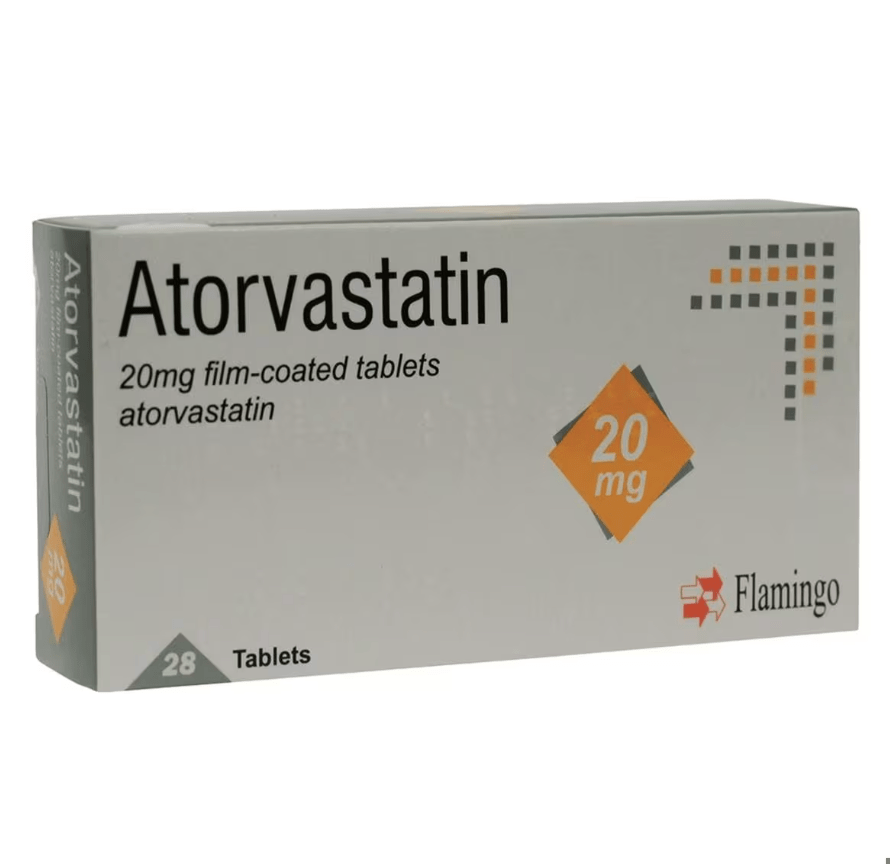
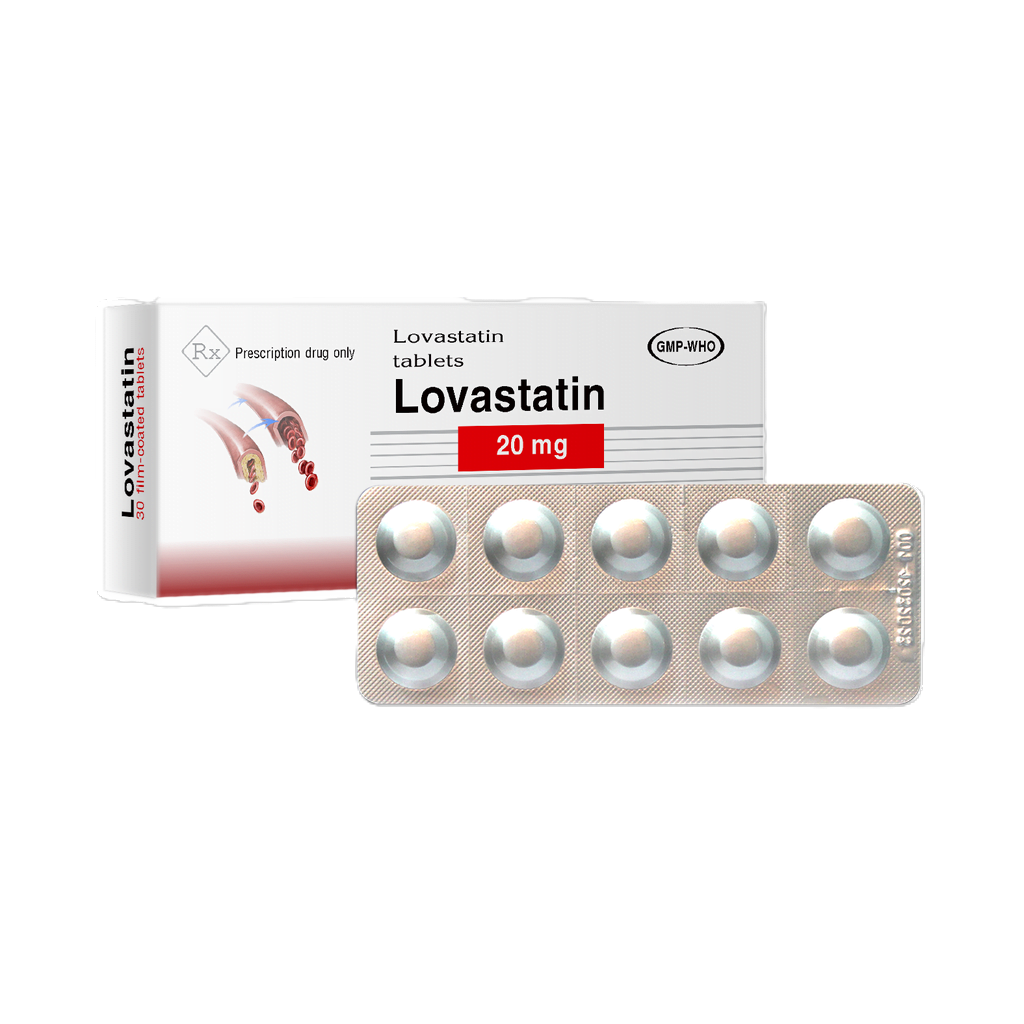
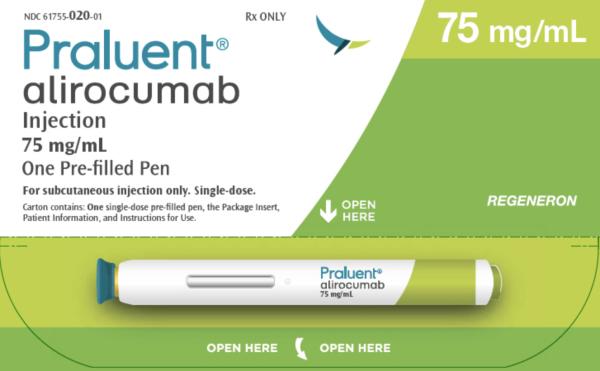
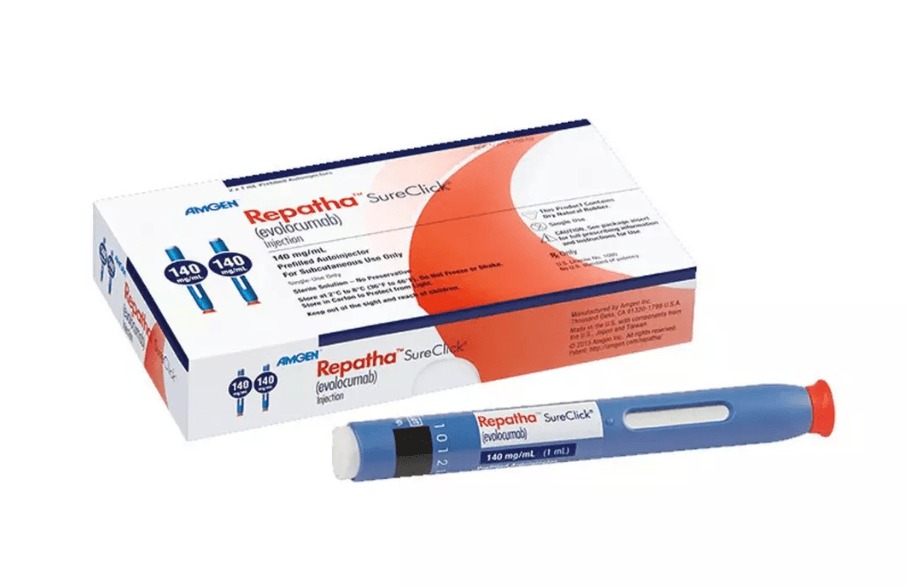
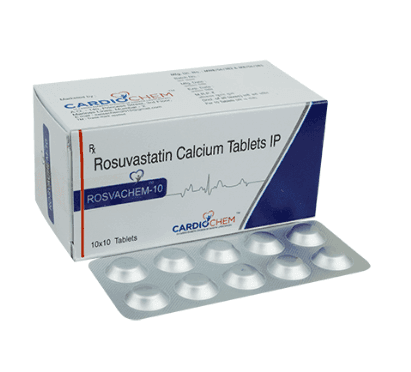
- Medication class context, such as statins for FH and PCSK9 inhibitors
- Notes on pediatric familial hypercholesterolemia and family risk planning
Visits happen by video with licensed U.S. clinicians in a secure app.
How to Choose
Different people arrive with different questions about Familial Hypercholesterolemia. Some want help interpreting lab trends and family history. Others need a clear explanation of next administrative steps, like record gathering.
Match the resource to the question
- Clarify whether the focus is screening, diagnosis language, or ongoing monitoring.
- Check which details a resource expects, like LDL values and age of onset.
- Look for mentions of cascade screening (family screening FH) when relatives may be affected.
- Prefer sources that reference cholesterol management guidelines, not informal advice.
- Note whether content addresses pediatrics, pregnancy, or complex risk histories.
- Separate lifestyle changes for high cholesterol from genetic risk discussions.
Know the clinical terms that often appear
- Dutch Lipid Clinic Network criteria and Simon Broome criteria (two scoring frameworks).
- Tendon xanthomas (cholesterol bumps on tendons) and corneal arcus (a gray eye ring).
- Family history patterns, including early heart events in close relatives.
- Genetic testing for FH versus cholesterol labs alone.
- Genetic counseling FH for understanding results and family planning conversations.
Quick tip: Keep lab PDFs and family history notes in one folder.
Safety and Use Notes
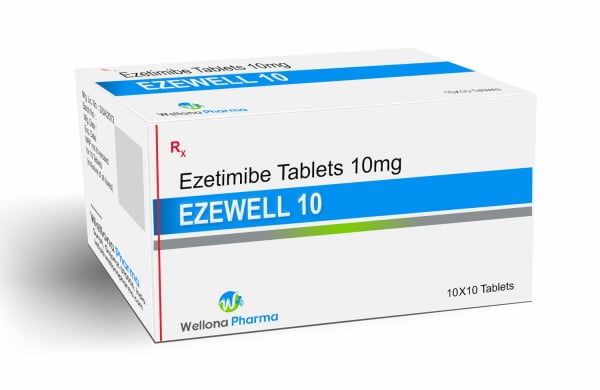
Information on familial hypercholesterolemia treatment often mentions medication classes and monitoring. This page stays high level, since clinicians tailor choices to risk and history. For example, resources may discuss statins, add-on therapies, or injectable options like PCSK9 inhibitors. They may also describe common follow-up labs, without listing doses.
Safety topics usually depend on age, other conditions, and current medications. They may also differ for people who are pregnant, planning pregnancy, or breastfeeding. For pediatric care, clinicians weigh family history, growth, and long-term risk.
- Medication interactions and shared decision-making with a clinician
- Pregnancy-related precautions for certain cholesterol-lowering medicines
- How injection training and storage can matter for some therapies
- What “intolerance” can mean in a medical record
- When clinicians consider referral for advanced lipid evaluation
Clinicians decide what is appropriate based on history and available lab data.
For background definitions, see the American Heart Association FH overview. For family-focused education, the FH Foundation Overview is also helpful.
Access and Prescription Requirements
Some care options for Familial Hypercholesterolemia involve prescription medicines. Others focus on documentation, care coordination, and education. Where a prescription is required, a licensed clinician must authorize it. Pharmacies also verify prescription details before dispensing.
When telehealth is part of the pathway, visits typically review history and prior lipid panels. People may also discuss family history and prior medication experiences. Some platforms offer cash-pay access, often without insurance, depending on the service.
- Keep a list of current medications and supplements for accurate review.
- Have recent lipid results available when possible, including LDL values.
- Expect identity and prescription verification for regulated items.
- Ask how refills and follow-up documentation are handled in the system.
- Confirm that any pharmacy fulfillment follows state-specific rules.
When appropriate, providers can route prescriptions through partner pharmacies under state rules.
Related Resources
Many people browsing Familial Hypercholesterolemia resources also explore other inherited conditions. Medispress keeps condition collections separate to support clearer browsing. For another inherited-condition browse page, see Familial Mediterranean Fever.
As items and educational pages get updated, it helps to recognize recurring terms. These include LDL receptor mutation, APOB mutation, and the role of PCSK9 in cholesterol biology. Diagnosis language may reference Simon Broome criteria or Dutch Lipid Clinic Network criteria. Some people also see notes about tendon xanthomas or corneal arcus in clinical summaries.
This content is for informational purposes only and is not a substitute for professional medical advice.

Find suitable medication for Familial Hypercholesterolemia


Book a telehealth visit to discuss Familial Hypercholesterolemia
Find a doctor
Speciality
State

Video Visit
$69

Video Visit
$69

Video Visit
$69

Video Visit
$69

Video Visit
$69

Video Visit
$69

Speciality: Dermatology, Family Medicine, Men's Health, Urgent Care, Women's health
Speaks: English, Spanish, French, Arabic, Portuguese
Video Visit
$69

Video Visit
$69

Video Visit
$69

Video Visit
$69

Video Visit
$69

Video Visit
$69
Frequently Asked Questions
What will I find in the Familial Hypercholesterolemia category page?
This category page groups care options and educational context related to inherited high cholesterol. It may include medication class information, screening terminology, and administrative details about prescription requirements. It also highlights common phrases seen in lab reports and visit notes. The goal is to make browsing easier for patients and caregivers. Listings can vary by what is clinically appropriate and what services are available.
How do I compare options listed for FH?
Start by comparing what each option is meant to support. Some items focus on education and terminology. Others relate to prescription pathways or clinician visits. Check what information is needed, such as lipid panel dates or prior medication history. Look for clear references to guidelines and common diagnostic criteria. If telehealth is involved, note the visit format and required documentation.
What information is helpful to have for a telehealth review?
People often bring recent lipid panel results, including LDL cholesterol values. Family history details can help, such as early heart events in close relatives. A current medication and supplement list supports a safer review. Prior records may mention Dutch Lipid Clinic Network or Simon Broome criteria. If genetic testing was done, having the report helps interpret wording. Clinicians decide what else is needed based on the visit.
How is familial hypercholesterolemia diagnosed?
Clinicians usually combine lab results, medical history, and family history. Some visits reference formal frameworks, such as the Dutch Lipid Clinic Network criteria or Simon Broome criteria. A physical exam history may include signs like tendon xanthomas or corneal arcus. Genetic testing can support a diagnosis, but it is not required in every case. A licensed clinician makes the diagnosis based on the full clinical picture.
What safety topics commonly come up with cholesterol-lowering medicines?
Safety discussions often cover drug interactions, pregnancy considerations, and prior side effects. Some therapies require extra handling steps, like injections or specific storage. Clinicians may also review other health conditions that affect medication choice. Monitoring plans can differ based on age and risk, including pediatric cases. Do not change medications based on general information alone. A clinician should guide decisions using personal history and available labs.